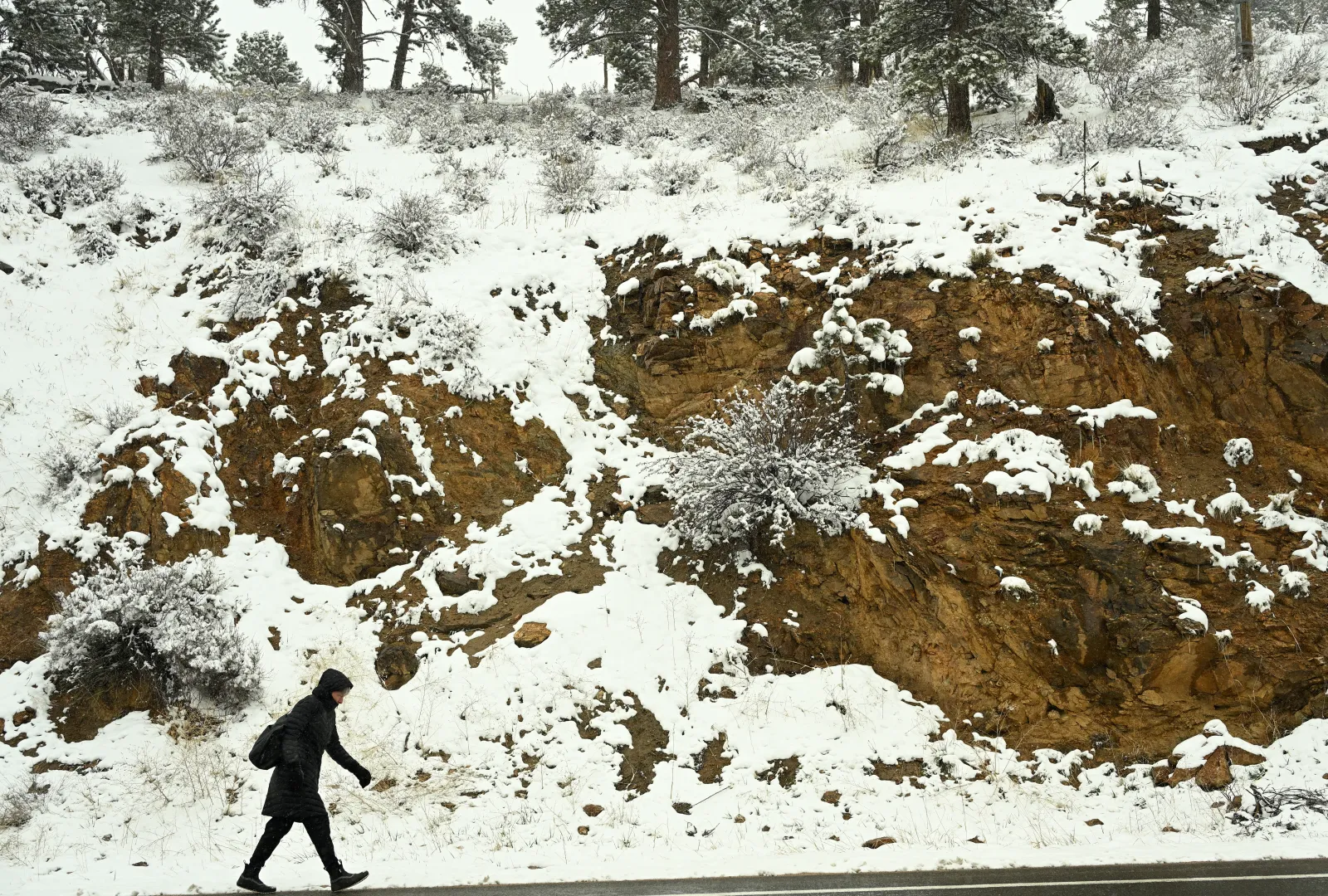

Winter storm warnings are in effect across parts of the U.S. as the National Weather Service (NWS) warns that gusts could reach 75 mph and snowfall could total up to 2 feet on Thursday—conditions that may also heighten “avalanche danger.”
What to Know
The NWS says areas in Idaho, Montana, Alaska, Michigan, Washington State, and Oregon are among those most likely to see the brunt of the storm. Some warnings are expected to run from Thursday into Saturday. Local forecast offices are urging drivers and travelers to use extreme caution, noting that snow and wind can sharply reduce visibility and make roads slick and hazardous.
Idaho
- Big Lost Highlands, Copper Basin, Frank Church Wilderness, Sawtooth, Stanley Basin, Sun Valley Region: Up to 2 feet of snow above 7,000 feet, with 5–8 inches at lower elevations (especially near Stanley and Ketchum). Winds could reach 45 mph from Thursday through Saturday morning.
- Big Hole Mountains, Centennial Mountains, Bear River and Caribou Ranges: Up to 14 inches above 7,000 feet, with gusts up to 40 mph through Saturday.
- Mullan, Dobson Pass, Lookout Pass: About 4–9 inches of snow with winds up to 45 mph through Friday morning.
Montana
- Absaroka and Beartooth Mountains: Forecasts call for 1–2 feet of snow from Thursday through Saturday, along with winds up to 75 mph—conditions that may increase “avalanche danger.”
- Northwest Beaverhead County: Up to 6 inches of snow from Thursday through Friday night, with winds up to 55 mph that could make “travel difficult.”
- Marias Pass: Up to 8 inches of snow expected, with 8–12 inches possible at higher elevations. Winds could reach 45 mph through Saturday, potentially creating “hazardous traveling conditions.”
- Higher elevations along I-90 and nearby corridors: Between 5 and 15 inches of snow is possible by Saturday, with winds up to 35 mph affecting areas including Lookout Pass to Haugan, Highway 12, Lowell to Lolo Pass, Dixie, Lolo Pass, Highway 93, Sula to Lost Trail Pass, and Elk City.
Alaska
Snow is expected to continue through Thursday in several areas. The Prince of Wales Island region—including Craig, Klawock, Hydaburg, Coffman Cove, and Thorne Bay—could see up to 6 inches. The Ketchikan Gateway Borough may see up to 5 inches, while the Baldwin Peninsula, Kivalina, Red Dog Dock, and the lower Kobuk Valley could receive up to 3 inches. Winds near 30 mph may cut visibility to a half mile or less.
Michigan
Parts of northern lower Michigan could see 2–5 inches of snow, while central upper and western upper Michigan could get up to 6 inches through Friday. Winds could gust up to 45 mph, creating “blowing and drifting snow.” Western Chippewa, Marquette, Alger, northern Schoolcraft, and Luce counties may see up to 5 inches alongside gusts up to 45 mph through Friday.
Washington State
- Cascade areas in Snohomish, Whatcom, Pierce, Skagit, Lewis, and King Counties: About 5–10 inches of snow possible by Thursday morning with winds up to 35 mph, which could make travel “very difficult.”
- Eastern Washington Cascades Crest (lower/upper slopes): Up to 6 inches on lower slopes and up to 10 inches on upper slopes, with freezing rain through Thursday that may create “slippery conditions.”
- South Washington Cascades: Up to 14 inches of snow with winds up to 45 mph through Thursday morning.
- Stevens Pass, Stehekin, Holden Village: Up to 18 inches in localized areas with winds up to 45 mph through Friday.
- Mazama, Loup Loup Pass, Conconully: Up to 9 inches with winds up to 35 mph through Thursday evening.
Oregon
The northern Blue Mountains could see 3–7 inches of snow along with freezing rain through Thursday afternoon. Forecasters warn driving may be especially difficult along I-84.
What People Are Saying
The NWS for Michigan and other impacted regions warned: “Widespread blowing snow could significantly reduce visibility. Be prepared for slippery roads. Slow down and use caution while driving. If you are going outside, watch your first few steps taken on stairs, sidewalks, and driveways. These surfaces could be icy and slippery, increasing your risk of a fall and injury.”
The NWS for Montana added: “Those in the backcountry should ensure they are prepared for dangerous conditions. Strong winds could cause tree damage.”
“Avoid travel in the impacted areas if possible. Widespread closures and disruptions to infrastructure may occur.”
What Happens Next
The NWS is advising people in affected areas to monitor forecasts closely and check local NWS updates through the weekend. The agency also noted that “a Winter Weather Advisory means that there is at least an 80 percent chance of minor impacts due to winter weather conditions during the advisory period.”