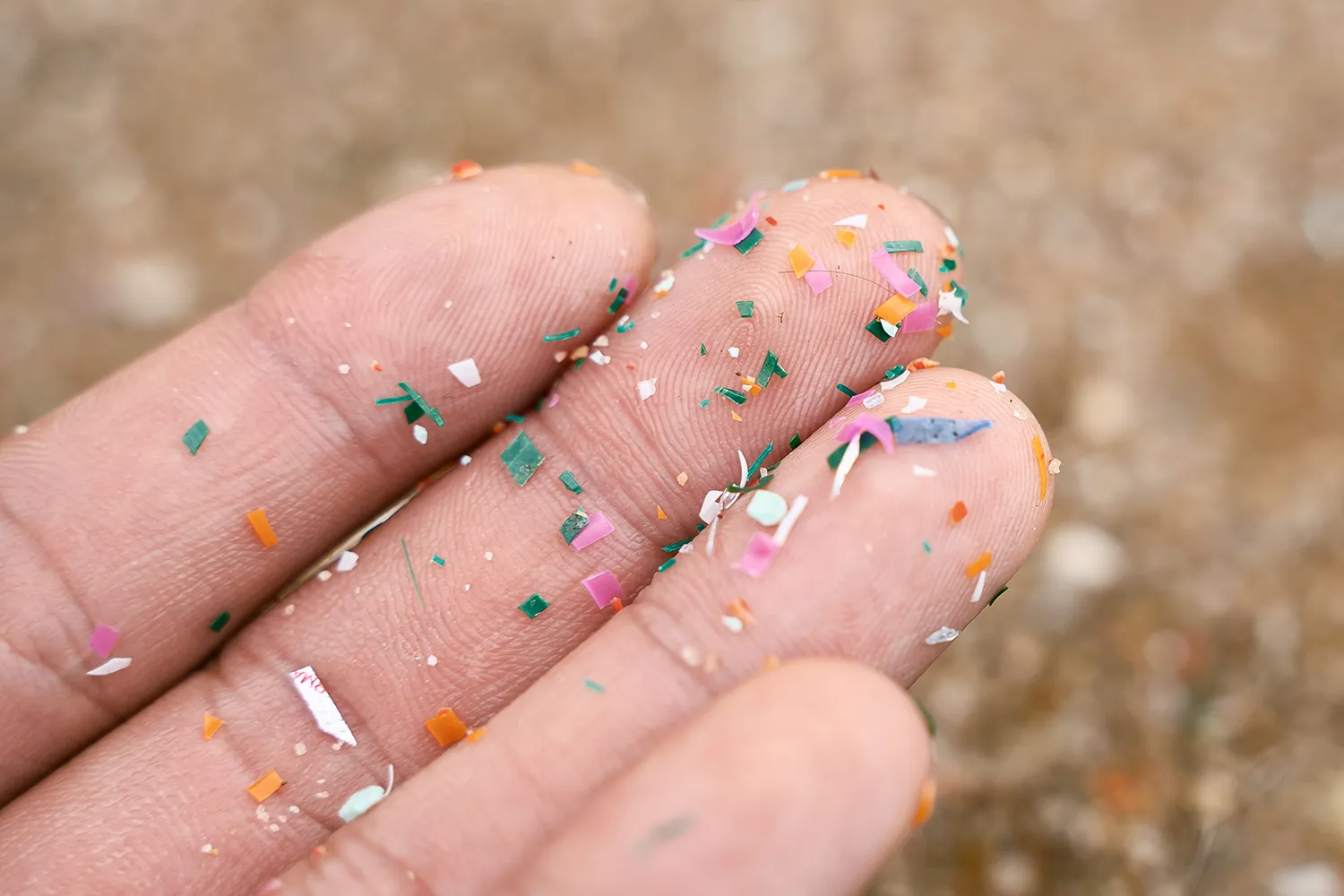

Humans inhale nearly 70,000 plastic particles small enough to travel deep into the lungs — and most of them are coming from everyday spaces like our homes and cars, a new study reveals.
Published in the journal PLOS, the study found that the concentration of microplastics and nanoplastics in indoor environments is “higher than previously thought.” Researchers measured airborne plastic in typical living spaces and found the results surprisingly elevated.
Microplastics are about the size of a grain of sand, while nanoplastics are thousands of times smaller. These tiny fragments come from everyday materials like carpets, curtains, floor tiles, and even the interiors of vehicles — environments where people often spend extended periods with windows closed.
“These particles are smaller than a speck of dust and more than seven times thinner than a strand of human hair. Upon inhalation, they can penetrate deep into the lungs,” researchers Nadiia Yakovenko and Jeroen E. Sonke from Université de Toulouse said in a joint statement.
The quantity of particles detected was up to 100 times higher than previous estimates. Researchers attributed this to the breakdown of common household items such as carpets, paint, textiles, and more.
In particular, cars appear to be a major source. “They are small, enclosed spaces filled with plastic-based materials, like dashboards, seat fabrics, carpets, etc. These materials can shed tiny plastic particles over time, especially by solar irradiance, friction, heat and daily use,” the study noted.
“Unlike homes, car cabins often have limited ventilation, allowing microplastic particles to accumulate and concentrate in the air. As a result, they can be inhaled in higher amounts during regular commutes or long drives.”
When inhaled, these microscopic plastics can travel deep into the lungs and potentially cause irritation or inflammation, the researchers warned. Many of these plastics carry toxic chemical additives, such as bisphenol A and phthalates, which are capable of entering the bloodstream.
“While research is still ongoing,” the researchers said, “there is concern that long-term exposure to microplastics and their additives may contribute to respiratory problems, disrupt endocrine function and increase risk for neurodevelopmental disorders, reproductive birth defects, infertility, cardiovascular disease, and cancers.”
Microplastics have already been detected in human brains, testicles, and placentas — and one researcher has gone so far as to call them a “time bomb” due to how widespread they’ve become across the globe.