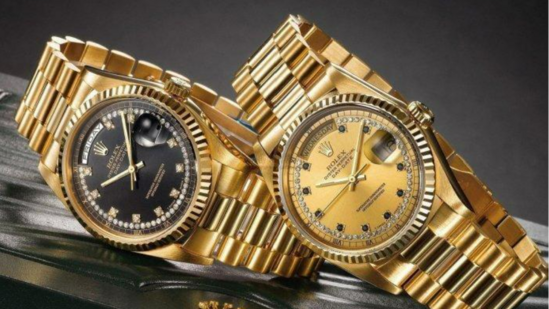

Financial markets in Switzerland were closed for a public holiday, temporarily shielding listed watchmakers like Richemont and Swatch Group AG from immediate market reaction. Meanwhile, shares of Watches of Switzerland Group Plc dropped by as much as 6% after President Donald Trump announced a 39% tariff on Swiss imports—one of the highest imposed so far in the ongoing global trade dispute.
The UK-based retailer, which distributes high-end Swiss timepieces including Rolex in both the U.S. and UK, was hit hardest by the latest tariff move.
Swiss watch exports had already experienced turbulence earlier in the year. Exports surged in the spring as importers rushed to beat a previously threatened 31% tariff, only to slow once hopes emerged that a reduced levy might be negotiated.
Now, with a steeper 39% rate on the table, Jefferies analysts led by James Grzinic estimate that U.S. prices may need to rise by over 20%—if the tariffs are enforced. However, there remains a chance the duties may not take effect.
“The one-week hiatus until implementation suggests this could be a negotiating tactic,” Grzinic noted.
Swiss watch exports declined nearly 10% in May, led by a significant drop in shipments to the U.S.
Vontobel analyst Jean-Philippe Bertschy highlighted several contributing factors to the industry’s headwinds, including what he termed “luxury fatigue,” a diminishing emotional payoff from luxury purchases, and weakening consumer sentiment—all of which point to a more cautious outlook for the market.