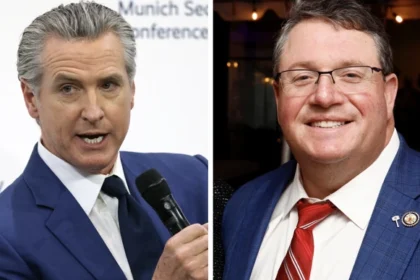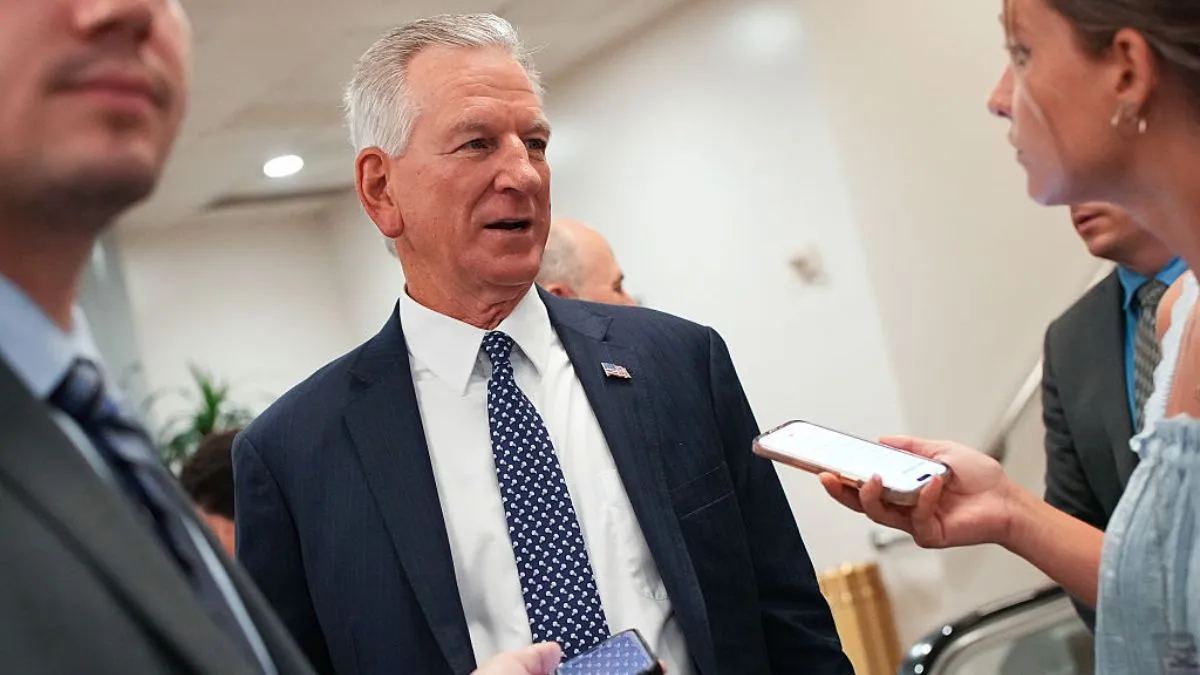

Senator Tommy Tuberville, a Republican from Alabama, is voicing frustration over Senate Democrats’ moves to delay President Donald Trump’s nominee confirmations—despite having previously led an unprecedented blockade of military promotions under President Joe Biden.
As reported by MSNBC, Senate Democrats, now in the minority, are using procedural mechanisms to extend the confirmation process. While these tactics cannot stop a nominee if all 50 Republicans vote in favor, they can significantly slow the pace by requiring time-consuming procedural votes.
“When a new coach is hired, they get to pick their team. It’s that simple,” Tuberville wrote on social media. He went on to claim that “radical Democrats continue to BLOCK over 150 of his nominees,” calling the delays “RIDICULOUS”—a statement many critics have noted ignores his own history.
Democrats Use Standard Tactics—Tuberville’s Previous Blockade Was Far More Extreme
Democrats have allowed a few confirmations to move forward more quickly—such as that of Secretary of State Marco Rubio—but have demanded cloture votes for 106 other nominees, a procedural move that complies with standard Senate norms.
Tuberville, by contrast, sparked widespread backlash in 2023 when he blocked hundreds of military promotions for nearly 10 months to protest the Pentagon’s abortion travel policy. His actions marked the longest such blockade in Senate history and drew bipartisan criticism for endangering military readiness during global tensions.
Even members of his own party expressed concern. Some Republican senators publicly warned that his hold was harming national security and emboldening America’s adversaries. His tactics, described by fellow Republicans as “ridiculous” and “dumb,” added to rising tensions within the GOP over procedural strategy.
A Pattern of Hypocrisy?
Tuberville’s current objections to Democratic delays have prompted accusations of hypocrisy, particularly in light of his past obstruction. While Democrats are engaging in standard delay tactics—without employing a sweeping blockade—they are being met with fierce criticism from the same lawmaker who once paralyzed military leadership appointments.
The episode underscores a broader pattern some observers see within Republican ranks—where condemnation of certain behaviors is quickly forgotten when the political roles are reversed.