
As the U.S. labor market shows fresh signs of slowing, one of Wall Street’s top strategists is issuing a stark warning: America may be heading into a period where the workforce doesn’t grow at all.
David Kelly, chief global strategist at JPMorgan Asset Management, says a demographic crunch combined with historic shifts in immigration policy makes it “quite possible that the next five years will see no growth in workers at all.” The potential fallout, he notes, could be severe for both the Federal Reserve and investors—particularly when it comes to the timing of interest rate cuts.
In his latest “Notes on the Week Ahead,” Kelly dissected Friday’s disappointing jobs report, which not only showed weak July job creation—just 73,000 versus the 110,000 expected—but also downward revisions for May and June totaling 258,000 fewer jobs than initially reported. That leaves the past quarter’s average monthly job growth at a mere 35,000. Meanwhile, the unemployment rate inched up to 4.2% as both employment and labor force participation slipped.
The labor participation rate has dropped from 62.65% in July 2024 to 62.22% a year later, translating to nearly 1.2 million fewer Americans aged 16 and older who are working or seeking work. Kelly attributes roughly half of this decline to retirements, but notes participation has also fallen among those aged 18 to 54.
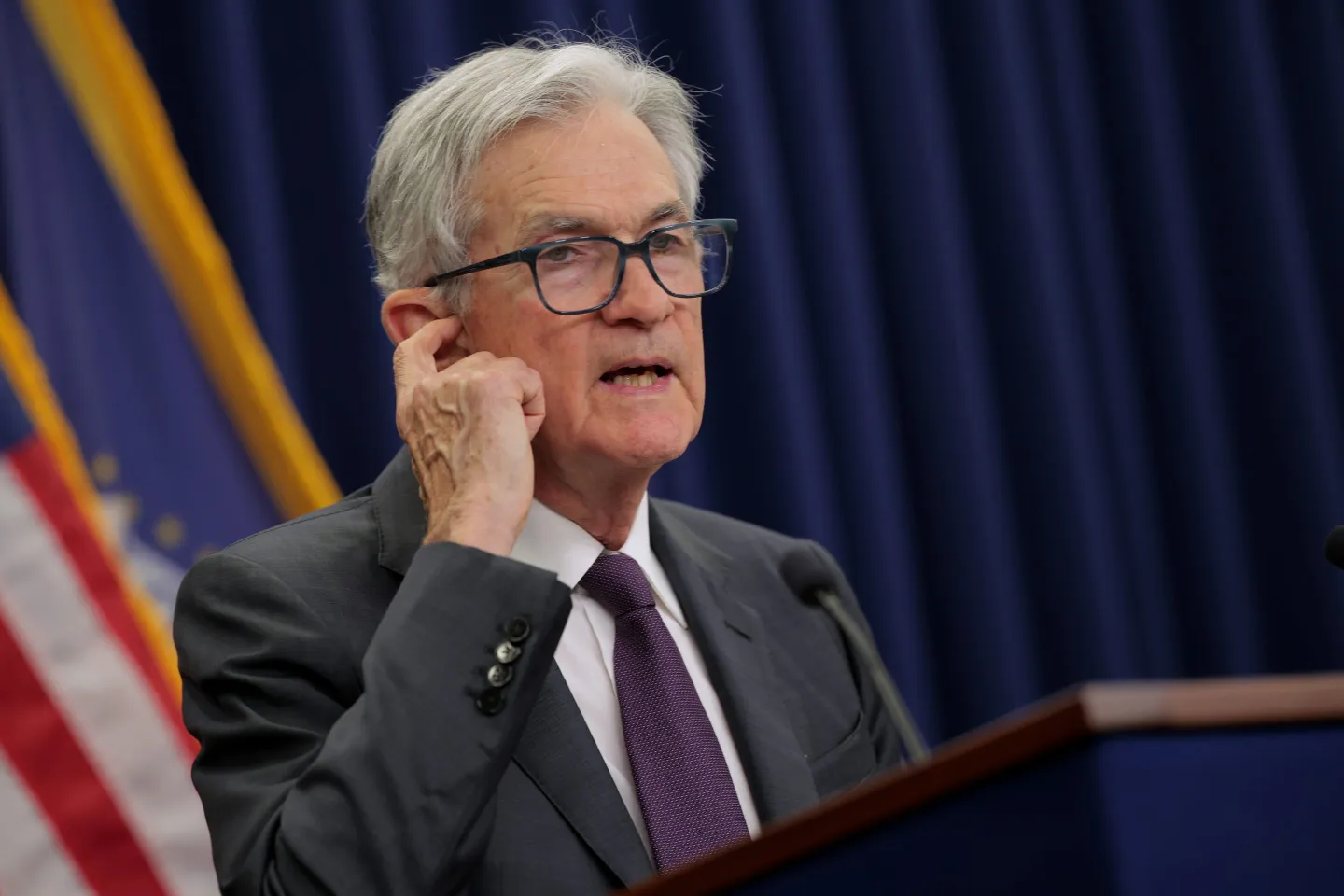
According to Kelly, this shrinking pool of workers will complicate the Federal Reserve’s fight against inflation. With labor supply constrained, cutting rates too aggressively could stoke wage and price pressures rather than spur sustainable growth—an especially delicate situation for Fed Chair Jerome Powell, who faces mounting political pressure from President Trump and his allies to ease monetary policy amid new tariffs and market strain.
Census projections point to an even deeper structural challenge: without a rebound in immigration, the working-age population could begin shrinking. Kelly cites forecasts showing the 18–64 demographic declining by more than 300,000 in the year ending July 2026, with similar drops expected through 2030. This trend, driven by the retirement wave and reduced immigration, could sap economic potential for years to come.
Since 2000, U.S. economic growth has averaged 2.1% annually, with workforce expansion contributing about 0.8 percentage points. If the next five years bring no net growth in workers, Kelly warns, the economy will be “only capable of growing more slowly without igniting higher inflation.”
His message for policymakers: proceed with extreme caution on rate cuts. For investors, the takeaway is to temper expectations for rapid gains or a prolonged bull market fueled by easy money. The idea of perpetual American economic “exceptionalism,” he suggests, is no longer a given.