
Two major phone carriers took markedly different approaches when former special counsel Jack Smith’s team subpoenaed phone records connected to Republican lawmakers in 2023, according to newly released redacted subpoenas and letters first shared with Fox News Digital.
The documents, provided by Sen. Chuck Grassley’s office, reveal that Verizon complied with the requests while AT&T resisted them. Both subpoenas were issued as part of Arctic Frost, the FBI investigation that ultimately led Smith to bring election-related charges against President Donald Trump.
The subpoena to Verizon listed 12 redacted phone numbers, which Grassley’s office replaced with the names of the lawmakers linked to them. Among those were one House member and 10 senators, including Sen. Rick Scott of Florida, whose name had not been previously disclosed.
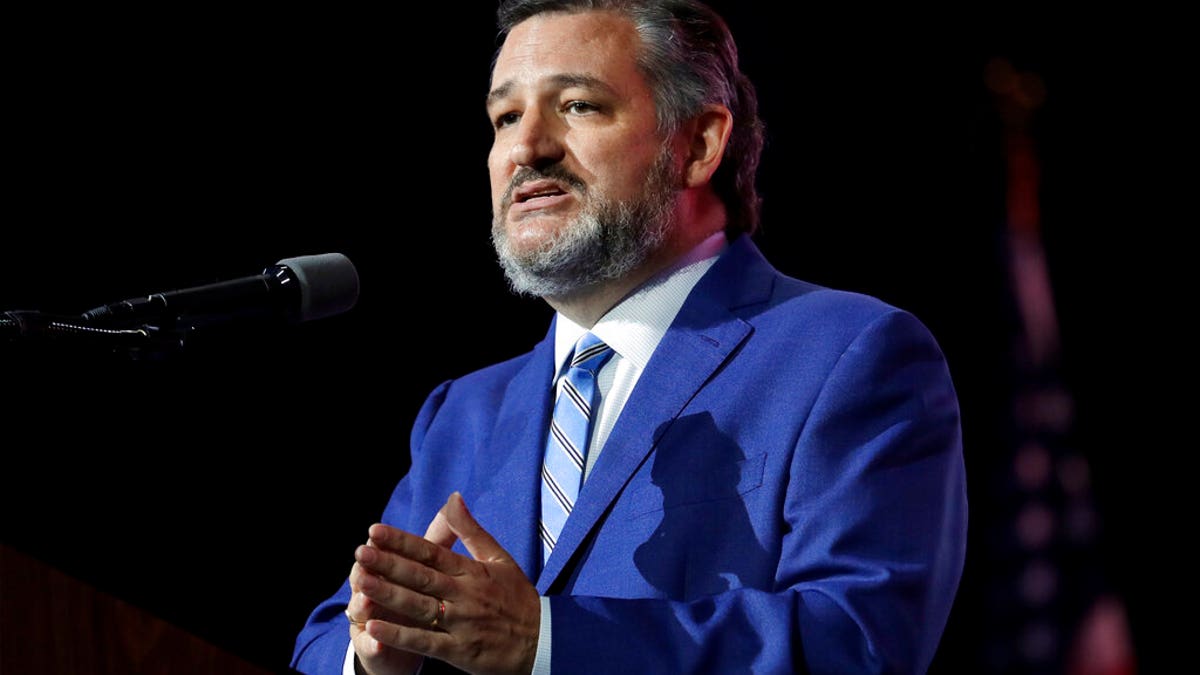
AT&T received a similar request, according to another subpoena. The company told Grassley that the subpoenaed phone records were tied to two lawmakers, including Sen. Ted Cruz of Texas, according to a source familiar with the matter. AT&T did not identify the second lawmaker.
Accompanying both subpoenas were gag orders signed by U.S. District Judge James Boasberg in Washington, D.C., directing the companies not to inform the lawmakers for one year. Prosecutors can issue such orders to keep investigations confidential.
Letters from the phone companies to Grassley, also shared with Fox News Digital, outlined their respective responses to the subpoenas. Verizon defended its compliance, saying the subpoenas were “facially valid” and contained only phone numbers, not names. The company added that, with the “benefit of hindsight” and after discussions with the Senate Sergeant at Arms, it has since strengthened its review policies for law enforcement requests involving members of Congress.
AT&T, by contrast, declined to comply. “When AT&T raised questions with Special Counsel Smith’s office concerning the legal basis for seeking records of members of Congress, the Special Counsel did not pursue the subpoena further, and no records were produced,” wrote David Chorzempa, AT&T’s general counsel.
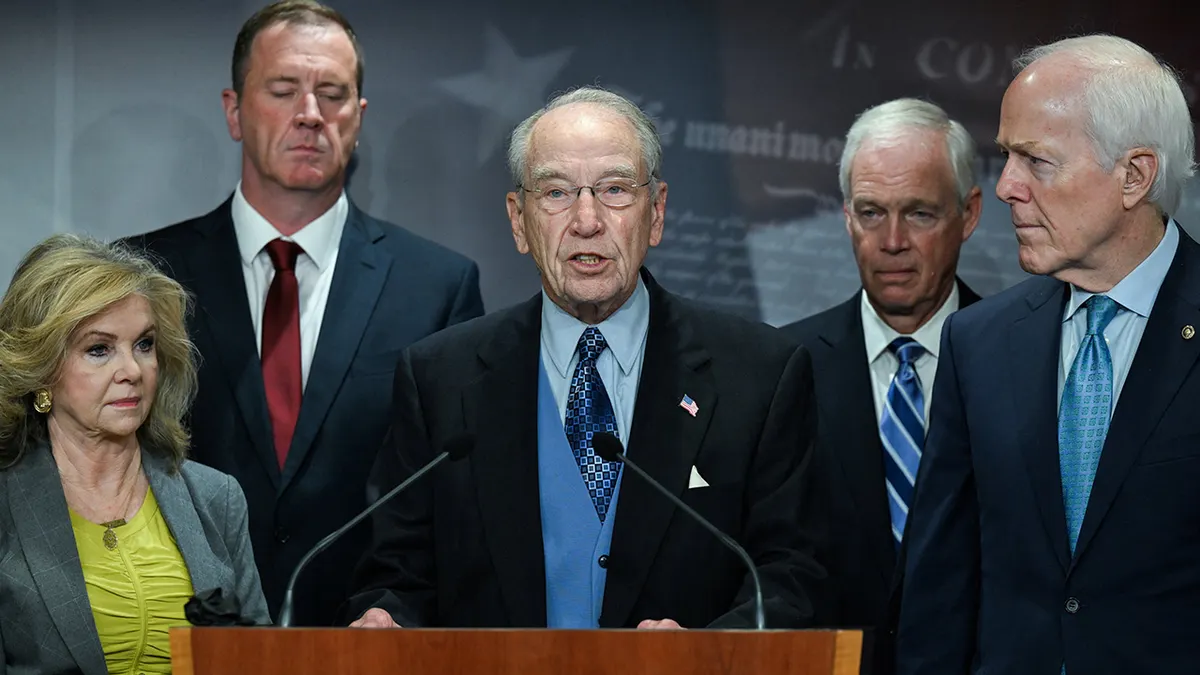
The release of these materials follows Grassley’s earlier publication of an FBI document referencing the subpoenas and identifying most of the senators involved. Those included Republican Sens. Marsha Blackburn, Josh Hawley, Lindsey Graham, Bill Hagerty, Dan Sullivan, Tommy Tuberville, Ron Johnson, and Cynthia Lummis. Cruz later confirmed he was among the targets, and Scott announced the same on Thursday.
Grassley also revealed that Smith’s subpoena to Verizon covered Cruz’s office landline, though Verizon’s letter indicated no records were available for that number.
Both subpoenas sought toll records for a four-day window around the Jan. 6 Capitol riot. They did not request the contents of calls or messages, which would have required a warrant, but did seek “call detail records for inbound and outbound calls, text messages, direct connect, and voicemail messages,” as well as subscriber and payment information.
The disclosure of these subpoenas has triggered sharp criticism from Republican lawmakers, who accused Smith of improperly targeting them and claimed that Arctic Frost represented an abuse of power comparable to or worse than Watergate. They also raised constitutional objections, arguing that the subpoenas violated the Speech and Debate Clause, which offers members of Congress protection from certain investigations.
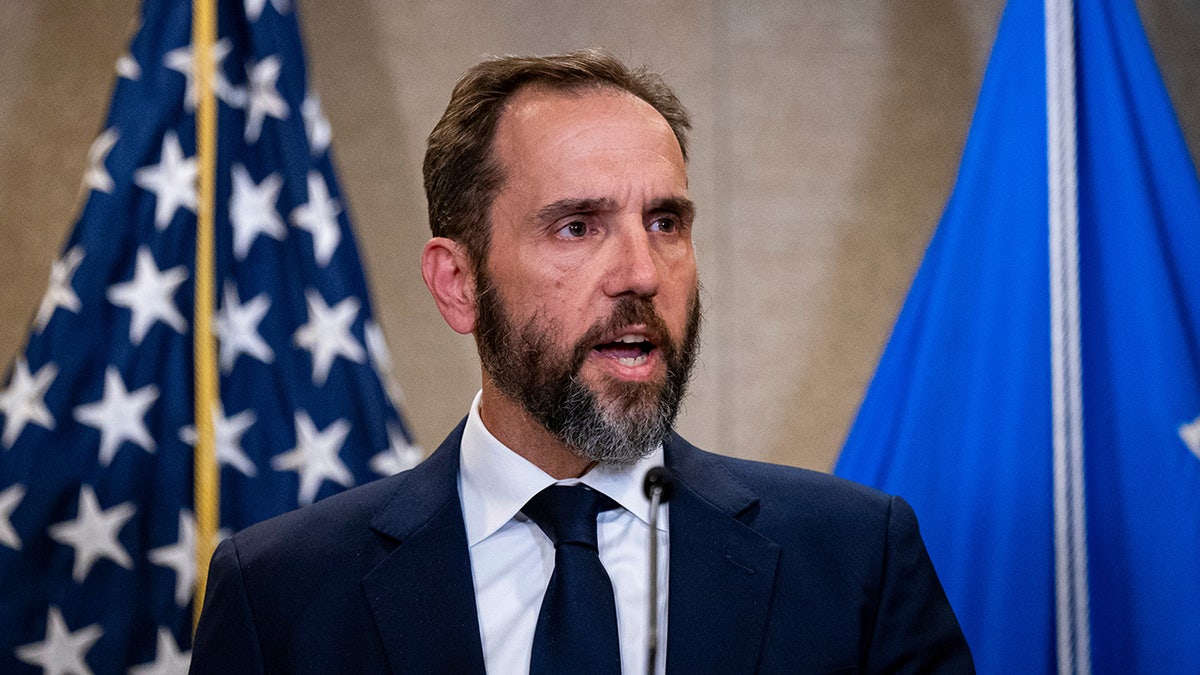
In a written response through his attorneys, Smith stated that he had already mentioned subpoenaing senators’ phone records in his final public report and maintained that the subpoenas were narrowly focused and “entirely proper.” He has asked to testify before Congress in a public hearing to discuss his work, though House Judiciary Chairman Jim Jordan prefers a closed-door session. Grassley has said he wants more information before considering a public hearing.
While the Justice Department has occasionally subpoenaed lawmakers’ information in the past, former Inspector General Michael Horowitz warned last year that such actions should be rare, noting that they “risk chilling Congress’s ability to conduct oversight of the executive branch.” His warning followed revelations that the Trump administration had subpoenaed the phone records of Reps. Eric Swalwell and Adam Schiff, among others, during an investigation into leaks of classified material.
Members of Congress, despite their constitutional protections, are not immune from investigation or prosecution. Former Sen. Bob Menendez’s phone records were seized during his time in office; he is now serving a prison sentence after being convicted on corruption charges last year.