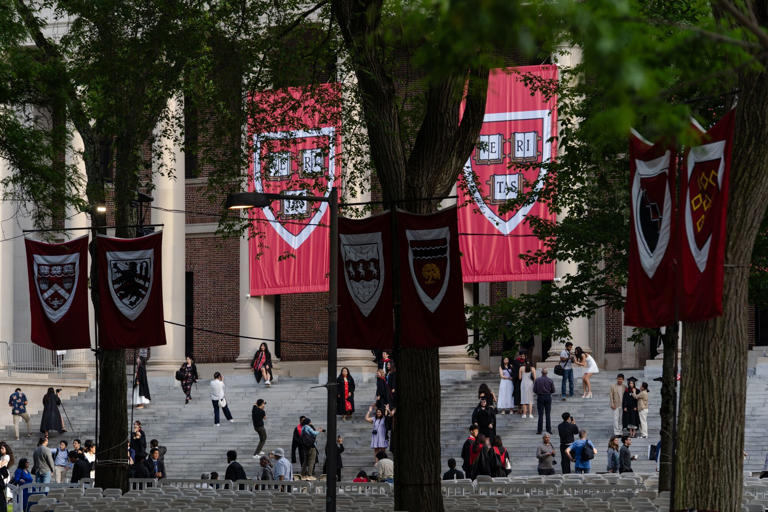

The Harry Elkins Widener Memorial Library on Harvard’s campus in Cambridge, Massachusetts remains a powerful symbol of academic excellence. Now, that legacy is at the center of a high-stakes clash between the university and the Trump administration.
As Harvard reportedly resumes talks with the White House, a group of alumni is urging the university to defend its core principles and resist political pressure. The alumni coalition, called Crimson Courage, issued a letter Monday warning Harvard not to compromise its academic freedom or institutional independence in any potential agreement with President Donald Trump.
“Standing strong is not merely an operational exercise: it is a moral imperative,” the group wrote to Harvard President Alan Garber and the university’s governing board. “The world is watching and needs Harvard’s leadership and courage now.”
President Trump hinted Friday at a possible breakthrough, saying his administration was in discussions with Harvard and might unveil a “mindbogglingly HISTORIC” deal within days. But so far, the details remain unclear.
The Stakes of a Deal
Any agreement could signal a major shift in an escalating battle that has already seen the White House:
- Freeze over $2.6 billion in federal research funding
- Threaten Harvard’s tax-exempt status
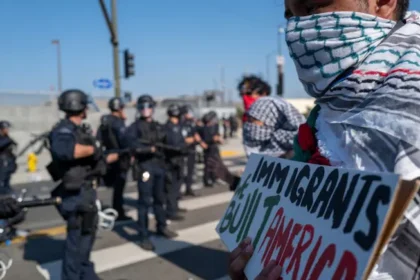
- Attempt to block the university from enrolling international students
Harvard has responded by filing two lawsuits, recently winning a temporary reprieve from restrictions on foreign student admissions. Still, alumni warn the Trump administration is pushing for sweeping changes — including to admissions, faculty hiring, and even demands for surveillance footage of foreign students attending protests.
Crimson Courage emphasized that Harvard’s values — including free speech and a safe, inclusive learning environment — must not be sacrificed in any compromise.
Tensions Within Higher Education
While some major donors have voiced concerns over Harvard’s defiance, many in the academic world have praised the university for taking a stand. In contrast, Columbia University has faced backlash from its community for striking a deal earlier this year to restore $400 million in funding, seen by critics as capitulation.
The Harvard administration, under Garber, has come under scrutiny — particularly in the wake of the Oct. 7 Hamas attacks and the ensuing war in Gaza. Garber, who is Jewish, apologized for the school’s handling of antisemitism complaints and acknowledged experiencing discrimination himself.
But he’s also said the government’s aggressive demands seem less about addressing antisemitism and more about political leverage. “The intention is not to work with us,” Garber has warned.
Despite these tensions, Garber received multiple standing ovations at Harvard’s recent commencement ceremony, signaling growing alumni and student support. A year earlier, the event was marred by student protests over the university’s response to pro-Palestinian demonstrations on campus.
Alumni Voice Their Support
Crimson Courage said it has collected more than 12,000 signatures for a legal brief supporting Harvard in its fight to preserve research funding. The group reaffirmed its solidarity in Monday’s letter:
“The Harvard we all know and love can persevere in the face of federal intrusion the likes of which we have never seen in the history of the United States,” the group wrote. “We alumni will stand strong — alongside you — against any attempt to extort or deny our Constitutional rights or our integrity. We have your back and we trust that you have our backs as well.”
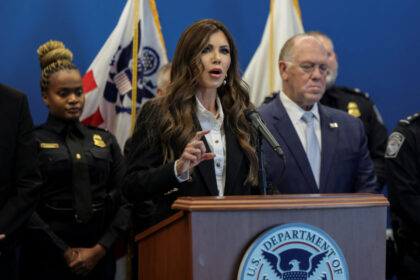
A spokesperson for Harvard declined to comment on the latest developments. Meanwhile, Homeland Security Secretary Kristi Noem reiterated in a Washington Post op-ed her call to revoke Harvard’s ability to enroll foreign students, citing concerns about campus antisemitism.
As the Trump administration touts progress, the future of one of America’s most prestigious institutions — and its relationship with the federal government — remains deeply uncertain.