
A federal judge in California has extended Temporary Protected Status (TPS) for roughly 60,000 migrants from Central America and Asia—halting a decision by the Trump administration to terminate their protections.
The ruling preserves legal residency and work authorization for approximately 51,000 Hondurans, 3,000 Nicaraguans, and 7,000 Nepalese nationals, many of whom have lived in the U.S. for more than two decades under TPS.
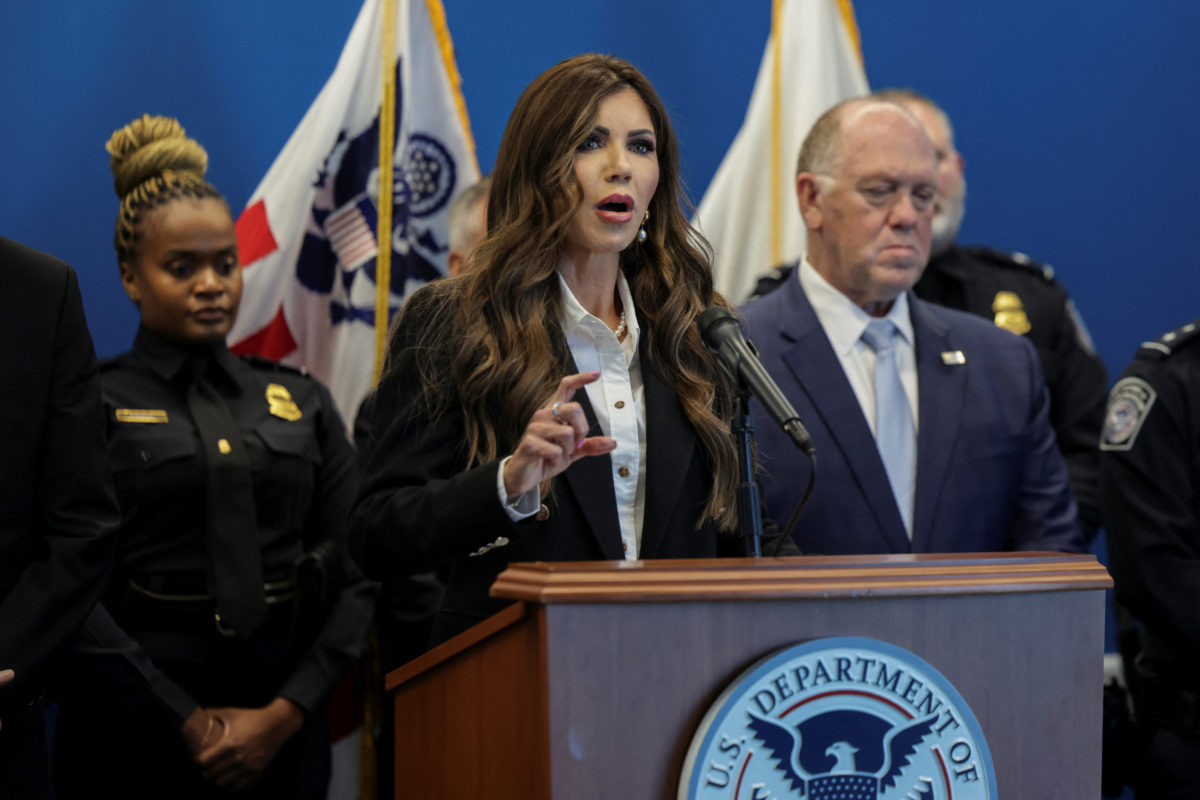
The protections for Nepal were set to expire on August 5, while TPS designations for Honduras and Nicaragua were scheduled to end on September 8. Homeland Security Secretary Kristi Noem had argued that both Central American countries had made “significant progress” recovering from Hurricane Mitch, which devastated the region in 1998.
Under federal law, the Homeland Security secretary can grant TPS to nationals already in the U.S. when conditions in their home countries—such as armed conflict, natural disasters, or political instability—make return unsafe. However, the Trump administration has taken a harder line on TPS, viewing the program as overly generous and out of step with its broader immigration enforcement goals.
Secretary Noem, a key figure in the administration’s immigration policy, has already rescinded TPS for hundreds of thousands of migrants, including more than 500,000 Haitians, 350,000 Venezuelans, and tens of thousands from Afghanistan, Ukraine, Nepal, and Cameroon. Many of those decisions are still being challenged in court.
At a hearing earlier this week, civil rights attorneys argued that the latest TPS terminations were not based on current country conditions, but rather aligned with President Trump’s political agenda and discriminatory rhetoric.
“They only gave these families two months to leave the country—it’s cruel,” said Ahilan Arulanantham, a lawyer representing the plaintiffs. He contends the administration rushed the deportation timeline in violation of longstanding practices that provide TPS holders with a year to depart.
The Biden-appointed judge did not issue a final ruling on the legality of the terminations, but said the plaintiffs raised serious constitutional questions and ordered the protections to remain in place while litigation continues.
The Justice Department, defending Noem’s decision, maintains that the TPS statute grants the secretary broad discretion, and that ending these protections is consistent with the administration’s immigration and foreign policy objectives.
“TPS was never intended to be a permanent immigration pathway,” DOJ attorney William Weiland said. “It is lawful to have a different interpretation of a temporary program.”
The next phase of the legal battle is expected to determine whether the administration’s actions were motivated by legitimate policy considerations—or by bias and a predetermined effort to sharply restrict immigration.