
Defense Secretary Pete Hegseth on Tuesday invoked the “fog of war” to defend a second U.S. military strike on an alleged drug-smuggling boat in the Caribbean Sea — an operation now under congressional investigation and raising sharp legal concerns about the Trump administration’s widening counterdrug campaign.
Why This Matters
Lawmakers opened inquiries after The Washington Post reported that Hegseth had given a verbal order to “kill everybody” on the vessel, the first boat targeted under the administration’s counterdrug operations in the Caribbean and eastern Pacific. Since then, the campaign has grown to more than 20 known strikes, killing over 80 people and emerging as one of the most forceful U.S. maritime interdiction efforts in decades.
What We Know So Far
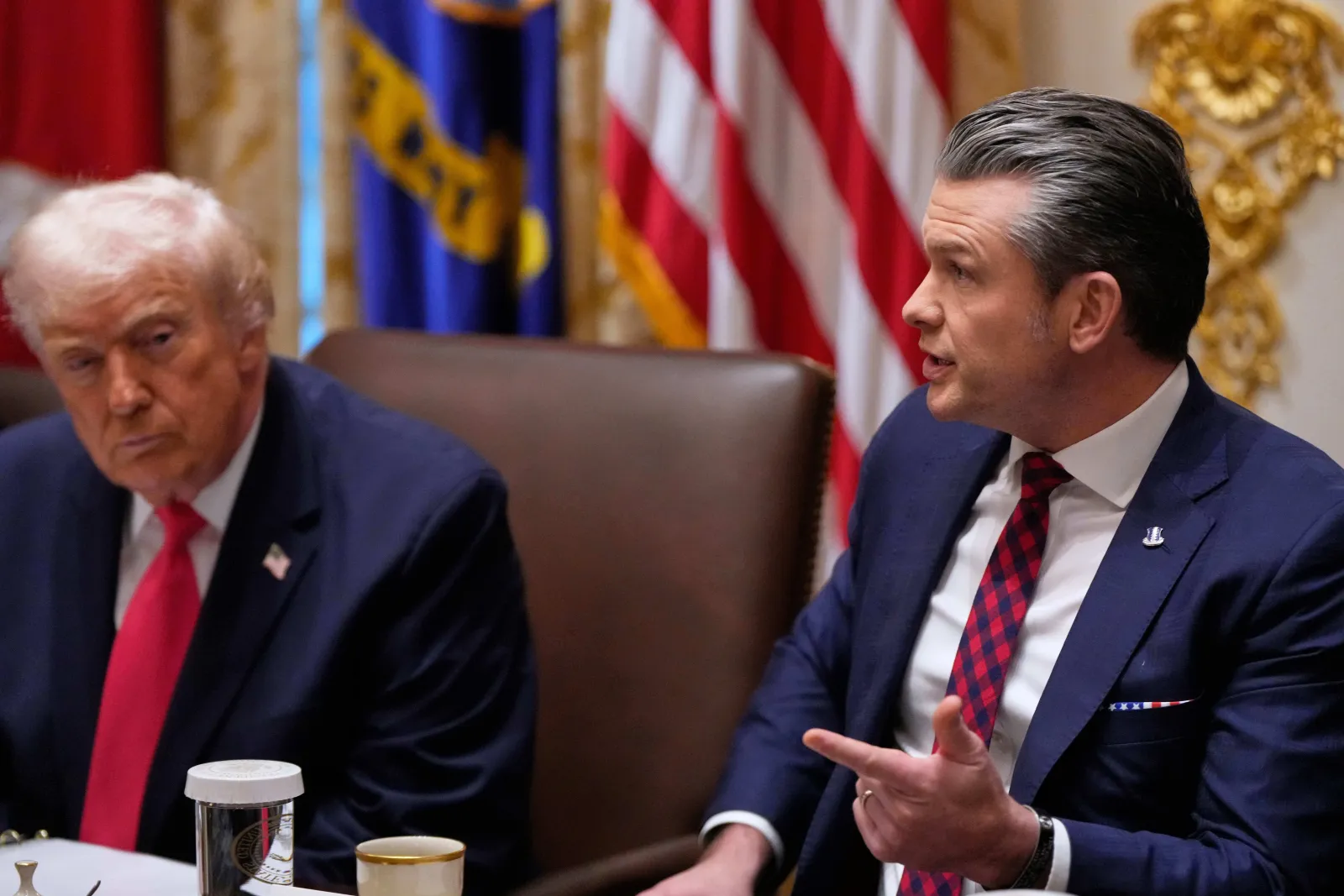
Speaking during a Cabinet meeting at the White House, Hegseth said he did not see any survivors in the water after the initial Sept. 2 strike and described a chaotic scene clouded by wreckage and fire.
“The vessel exploded in fire, smoke, you can’t see anything. … This is called the fog of war,” he said.
Hegseth added that he “didn’t stick around” for the rest of the mission and insisted the on-scene commander “made the right call” in ordering a follow-up strike, saying the admiral “had complete authority to do” so.
At the same time, the United States has deployed its largest military presence in the region in generations — a buildup many analysts see as added pressure on Venezuelan President Nicolás Maduro. Trump administration officials have framed the strikes as essential to disrupting transnational drug networks, while critics argue the legal justification for such lethal force in peacetime is still unsettled.
Several legal experts told The Associated Press they believe the second strike likely violated long-standing laws of armed conflict. The Pentagon’s own law-of-war manual explicitly cites firing on shipwrecked survivors as clearly unlawful, stating: “Orders to fire upon the shipwrecked would be clearly illegal.”
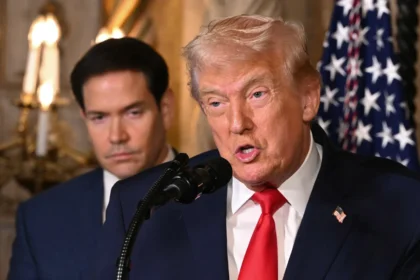
On Tuesday, President Donald Trump sought to distance himself from the decision to conduct the second strike, which reportedly killed two survivors clinging to debris. Asked whether he supported that decision, Trump said he “didn’t know anything” and “still hasn’t gotten a lot of information because I rely on Pete,” referring to Hegseth. “I wasn’t involved in it,” he added.
Sitting beside the president, Hegseth defended the broader mission, saying Trump has given “commanders to do what is necessary, which is dark and difficult things in the dead of night on behalf of the American people.”
Earlier Tuesday, Pentagon press secretary Kingsley Wilson told selected reporters that all of the strikes have been “presidentially directed” and that the chain of command “functions as it should.” She said the secretary and the president ultimately authorize each strike.
The administration has suggested that Navy Vice Adm. Frank “Mitch” Bradley, who oversees the operation, made the final call to conduct the second strike. Trump praised Bradley as an “extraordinary person” and reiterated his hard-line stance. “I want those boats taken out,” he said. “And if we have to, we will attack on land also, just like we attack on sea.”
On Monday, the White House said Bradley acted “within his authority and the law” when he ordered the second strike. Hegseth has publicly backed the admiral, saying he stands by Bradley “and the combat decisions he has made.”
What Happens Next
Bradley is expected to brief lawmakers in a classified session on Thursday, where members of Congress are likely to press him on the decision-making behind the second strike, the legal rationale for the broader campaign, and how future operations will be conducted.