
President Donald Trump issued a public warning as massive Winter Storm Fern pushed across the United States, bringing a dangerous mix of snow, sleet, freezing rain, brutal temperatures and the threat of widespread power outages for nearly half the country.
In a post on Truth Social, Trump wrote: “I have been briefed on the Record Cold Wave and Historic Winter Storm that will be hitting much of the United States this weekend. The Trump Administration is coordinating with State and Local Officials. FEMA is fully prepared to respond. Stay Safe and Stay Warm! President DJT”
Forecasters said the ice — especially across parts of the South — could cause damage so severe it may rival hurricane impacts in certain areas. The storm was expected to shut down travel, close schools and businesses, strain power systems and leave hazardous conditions in place into next week.
By Friday afternoon, at least 182 million people were under winter storm or ice warnings. More than 210 million were also covered by cold weather advisories or warnings. In many places, those alerts overlapped — increasing the likelihood of long-lasting disruptions.
Ice and sleet snarl travel as cancellations mount
Freezing rain turned roads slick in parts of west Texas on Friday, including Lubbock, as temperatures dropped. Airlines canceled thousands of flights nationwide, with more than 1,000 delays or cancellations reported Friday and about 2,300 flights already scrapped for Saturday, according to FlightAware. More than half of those disruptions were centered around Dallas-area airports.
Schools across Chicago and other Midwestern cities canceled classes Friday. Across the South, churches announced plans to move Sunday services online. In Nashville, the Grand Ole Opry said its Saturday night radio show would proceed without a live audience. Carnival parades in Louisiana were canceled or rescheduled.
“It’s going to be a big storm,” said Maricela Resendiz as she stocked up on food at a Dallas grocery store. “Staying in, just being out of the way,” she said of her family’s weekend plans.
Arctic air sets the stage for life-threatening cold
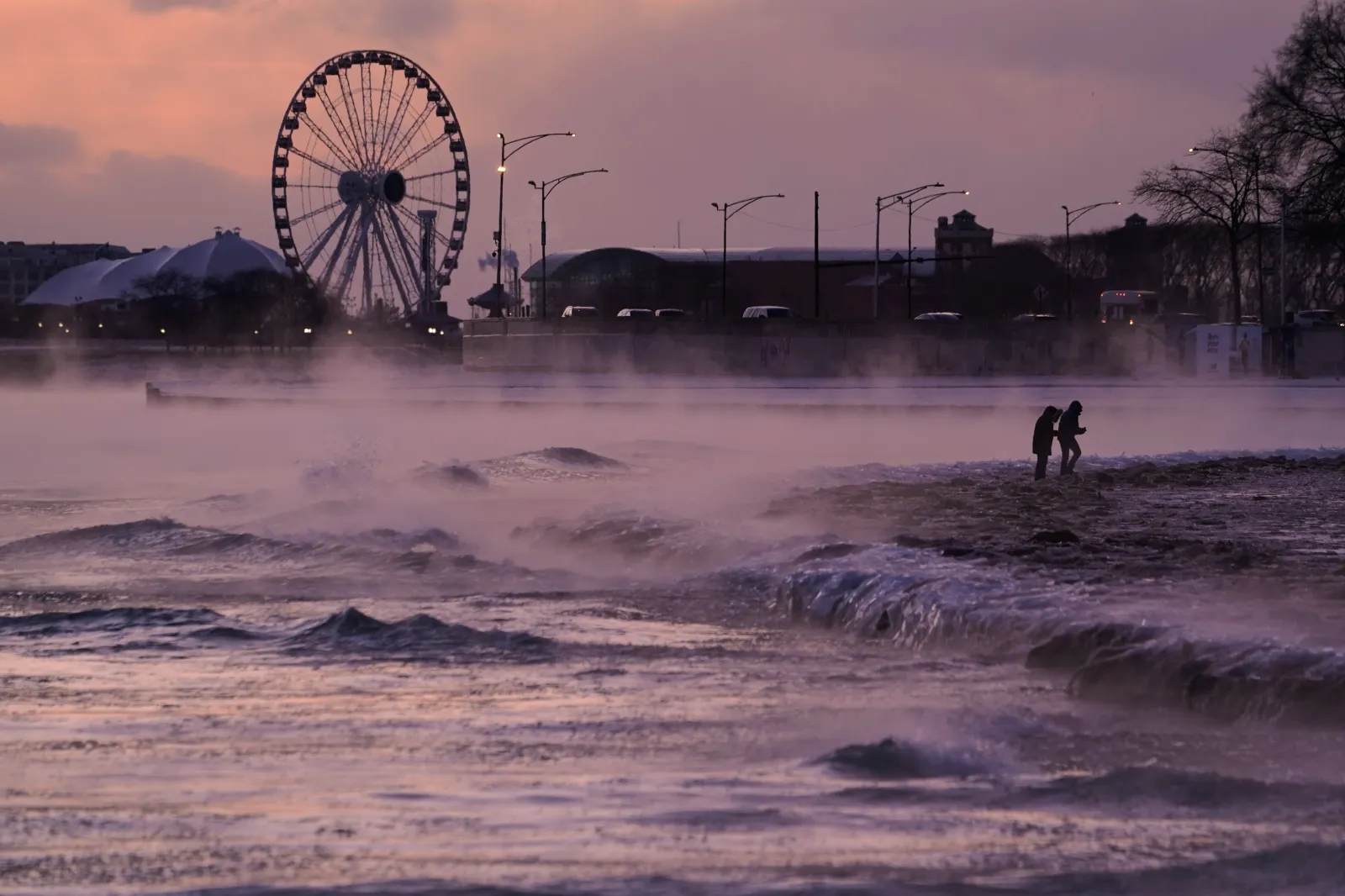
The storm’s first wave arrived as Arctic air plunged south from Canada, sending wind chills into dangerous territory across the Plains and Midwest. In some areas, wind chills fell to minus 40 degrees Fahrenheit — enough for frostbite to develop in as little as 10 minutes.
In Bismarck, North Dakota, where wind chills hit minus 41, Colin Cross layered up to prepare an empty apartment unit for incoming tenants.
“I’ve been here awhile and my brain stopped working,” Cross said, describing the numbing cold even with heavy winter gear.
Despite the extreme weather, thousands still gathered in downtown Minneapolis on Friday for a planned protest against an immigration crackdown.
Utilities brace for outages as ice loads power lines
Utility companies across the storm’s path prepared for significant power outages, particularly where freezing rain can coat trees and power lines with heavy ice. Even after precipitation ends, falling branches and downed lines can keep knocking out power for days.
In at least 11 Southern states — from Texas to Virginia — most homes rely on electricity for heat, according to U.S. Census Bureau data, a vulnerability underscored by the deadly Texas power grid failure during a winter storm five years ago.
Texas Gov. Greg Abbott said Thursday that state officials are better prepared this time, with utility companies bringing in thousands of additional workers. “This won’t happen again,” Abbott said, referring to the 2021 blackout.
Frozen pipes become the next major threat
Beyond outages, plumbing problems are expected to surge — especially in the South, where many homes are not designed for long-duration freezes.
In Atlanta, temperatures were expected to fall to around 10 degrees Fahrenheit and stay below freezing for more than a day. Plumbing companies said they were preparing for a wave of emergency calls.
“We’re out there soaking wet and freezing,” said Melissa Cary, co-owner of M. Cary & Daughters Plumbing. “I keep the hot chocolate and soup coming.”
Federal response ramps up ahead of impact
Federal officials moved resources into position ahead of the storm, placing nearly 30 search-and-rescue teams on standby and staging emergency supplies, including more than 7 million meals, 600,000 blankets and 300 generators, according to the Federal Emergency Management Agency (FEMA).
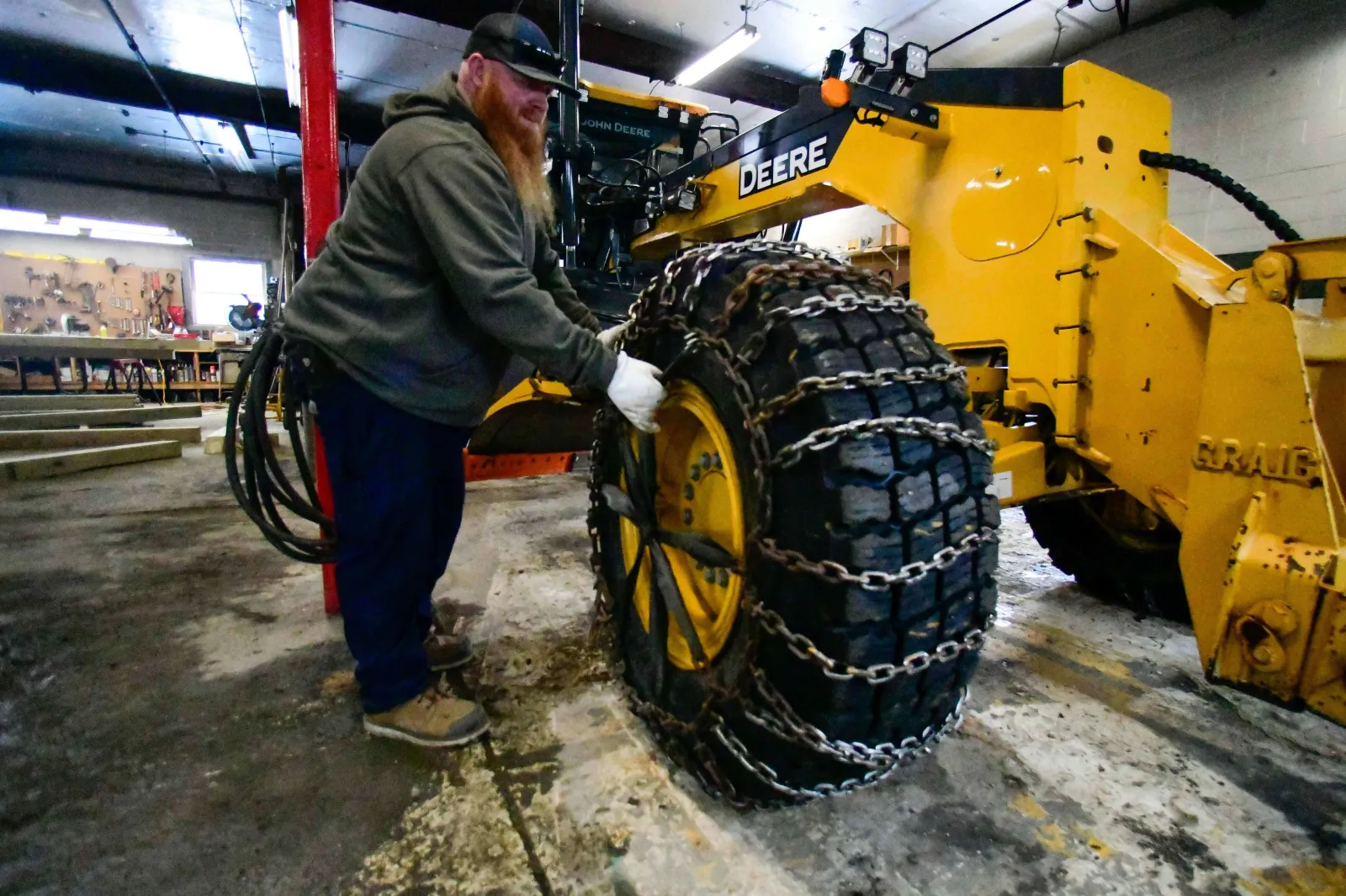
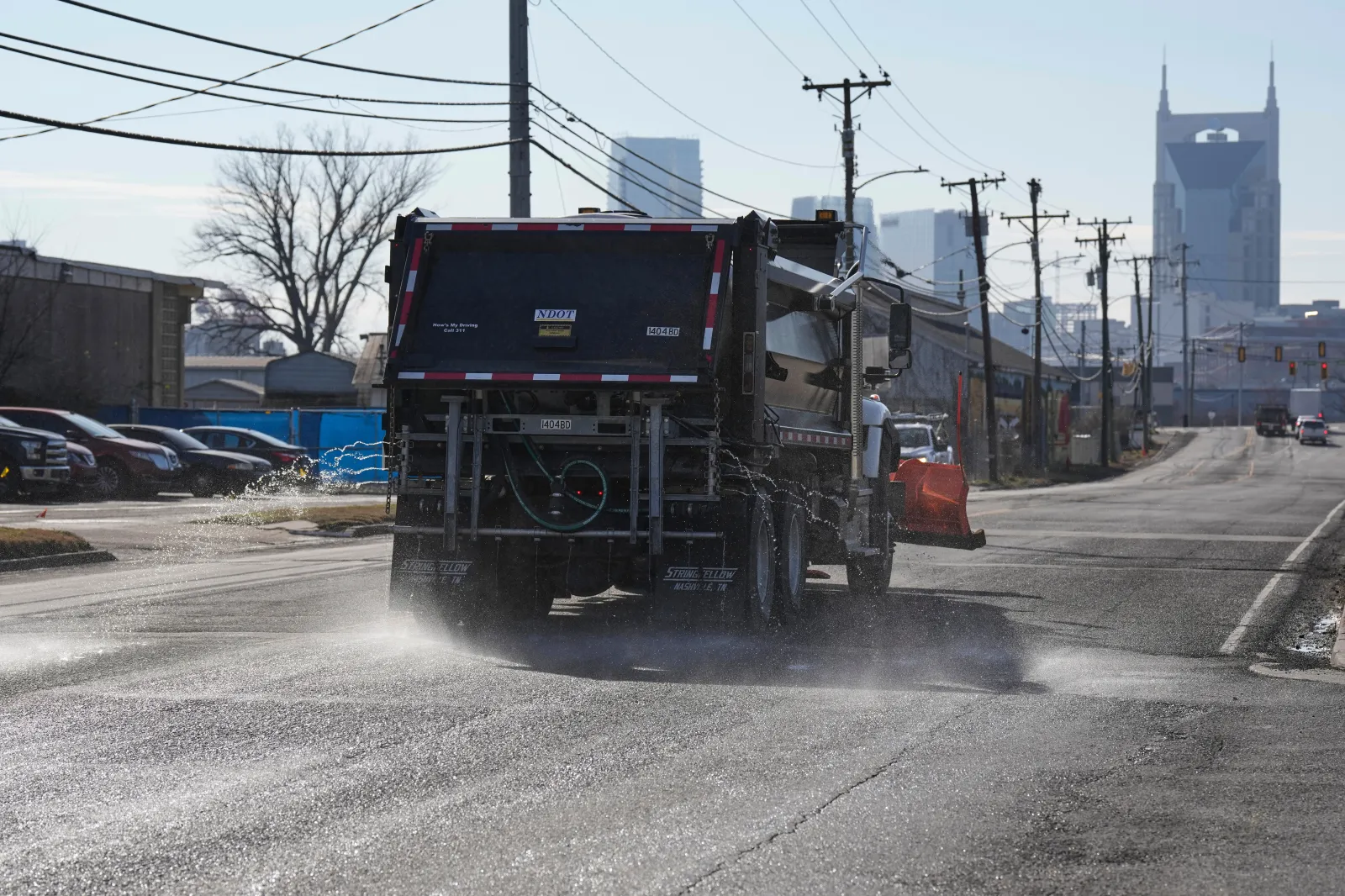
In Oklahoma, transportation crews pretreated highways with salt brine, and the Highway Patrol canceled troopers’ days off to prepare for hazardous road conditions.
Northeast prepares for heavy snow
As the storm shifts east, forecasters expect heavy snowfall across the Northeast, with around a foot possible from Washington, D.C., through New York City and Boston.
Boston declared a cold emergency through the weekend. Connecticut officials coordinated with New York and Massachusetts on potential travel restrictions along major highways, and Gov. Ned Lamont urged residents to stock up on groceries and stay home.
Philadelphia announced public schools would be closed Monday. Superintendent Tony B. Watlington Sr. encouraged students to stay safe — and enjoy the snow responsibly.
Communities hunker down as risks linger
For people without stable housing, the storm presents especially serious dangers. In Jackson, Mississippi, Stephen McDonald said he hoped to escape the cold, but a local homeless shelter remained closed while insulation and heaters were installed.
“Your hands get frozen solid, and they hurt real bad,” McDonald said.
At the University of Georgia in Athens, sophomore Eden England decided to stay on campus with friends despite warnings about possible power outages.
“Whether I’m here or at home, it’s going to suck either way,” she said. “I’d rather be with my friends, kind of struggling together.”
Forecasters warned the storm’s impacts could linger for days, urging residents to prepare for extended cold, potential power outages and limited travel.