
The White House is preparing to deliver answers within days on a string of unexplained deaths and disappearances involving American scientists and military officials, according to President Donald Trump.
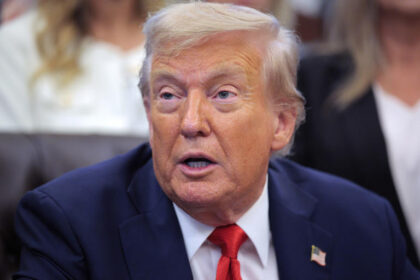
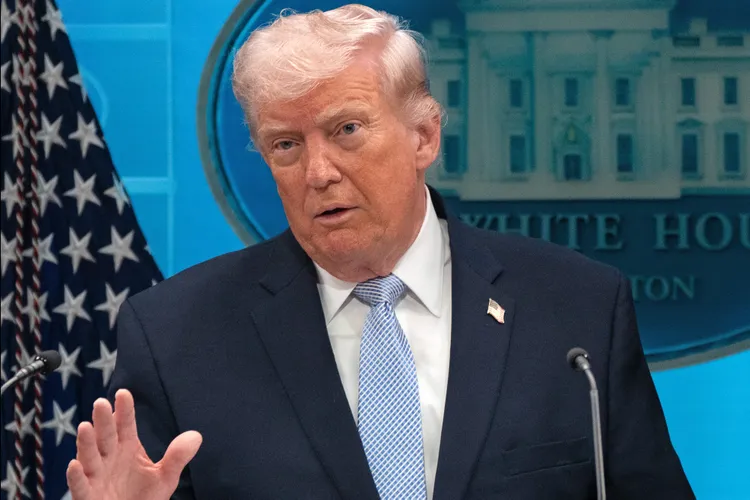
Speaking to reporters on April 16, Trump described the cases as “pretty serious stuff” and confirmed that his administration had already convened internal discussions. “We’re going to know in the next week and a half,” he said, adding that several of the individuals involved were “very important people.”
The comments followed remarks a day earlier from White House press secretary Karoline Leavitt, who said the administration would consult “relevant agencies” about whether a formal investigation is warranted. “If true, of course, that’s definitely something… worth looking into,” she said during a briefing.
Reports indicate that at least 10 U.S. scientists and defense-linked officials have either died under unclear circumstances or gone missing since 2023. Among the most prominent cases is William McCasland, a retired Air Force general who disappeared from his home in New Mexico in February. Authorities said he left behind his cellphone and prescription glasses, deepening concerns about the nature of his disappearance.
Another case involves Monica Reza, a colleague of McCasland’s, who vanished during a hike in California’s Angeles National Forest last June.
While law enforcement agencies have not publicly confirmed any connections between the incidents, the clustering of cases—particularly among individuals tied to sensitive research—has drawn scrutiny from lawmakers and former officials.
Representative Tim Burchett has been among the most vocal in calling for transparency, suggesting the number of cases is unusually high within certain research sectors. “We’d better be paying attention,” he said in a recent interview, raising the possibility—without evidence—of links to classified aerospace or intelligence programs.
Burchett specifically pointed to McCasland’s previous leadership of the Air Force Research Laboratory, a key hub for advanced military technology development.
Former State Department analyst Marik von Rennenkampff said the pattern is increasingly difficult to dismiss as random. “These are large organizations. Could these be coincidences? I think we might have passed that threshold,” he said in a televised interview.
Still, no federal agency has publicly confirmed foul play or a coordinated threat. Experts caution that disappearances involving hiking accidents or isolated incidents may have unrelated explanations, even as the broader pattern fuels speculation.
The administration has not disclosed which agencies are leading the review or whether intelligence or law enforcement bodies have identified any national security implications.
For now, officials appear to be balancing urgency with caution. Trump’s timeline—an expected update within a week—suggests that preliminary findings could soon clarify whether the incidents represent coincidence, criminal activity, or a more complex threat.
Until then, the cases remain unresolved, amplifying calls in Washington for answers—and accountability.