
A newly unsealed report from the Bureau of Alcohol, Tobacco, Firearms and Explosives (ATF) has injected fresh complexity into the prosecution of Tyler Robinson, the man accused of assassinating conservative activist Charlie Kirk. While the defense previously claimed a total ballistics mismatch, federal investigators now state they can neither confirm nor rule out Robinson’s rifle as the murder weapon.
According to the unsealed documents, investigators analyzed a .30-caliber “deformed/damaged” bullet jacket fragment recovered from the scene of the September 2025 shooting at Utah Valley University.
The ATF’s forensic team determined the fragment matches the caliber of the .30-06 rifle recovered near the scene and linked to Robinson. However, due to the level of damage to the fragment, the agency reported it “could not be identified or excluded” as having been fired from that specific weapon.
This development follows a high-profile push by Robinson’s legal team, which argued that a “discrepancy” in ballistic evidence fundamentally undermined the prosecution’s case. The unsealed report reveals a more nuanced forensic reality: while there is no definitive “fingerprint” match, the evidence does not exonerate the defendant as his counsel suggested.
The ambiguity has already become a flashpoint for political figures and online commentators. High-profile voices, including Marjorie Taylor Greene and Candace Owens, leveraged the defense’s initial claims to suggest investigative failures or deeper conspiracies.
The case has been further clouded by attempts to link the investigation to the recent resignation of Washington County Sheriff Keith Brooksby. Brooksby stepped down in March following meetings regarding “a few different allegations” involving the commissioners’ office.
Despite intense speculation on social media—fueled in part by Greene—there is currently no evidence connecting Brooksby’s resignation to the Kirk assassination or the ATF’s forensic findings.
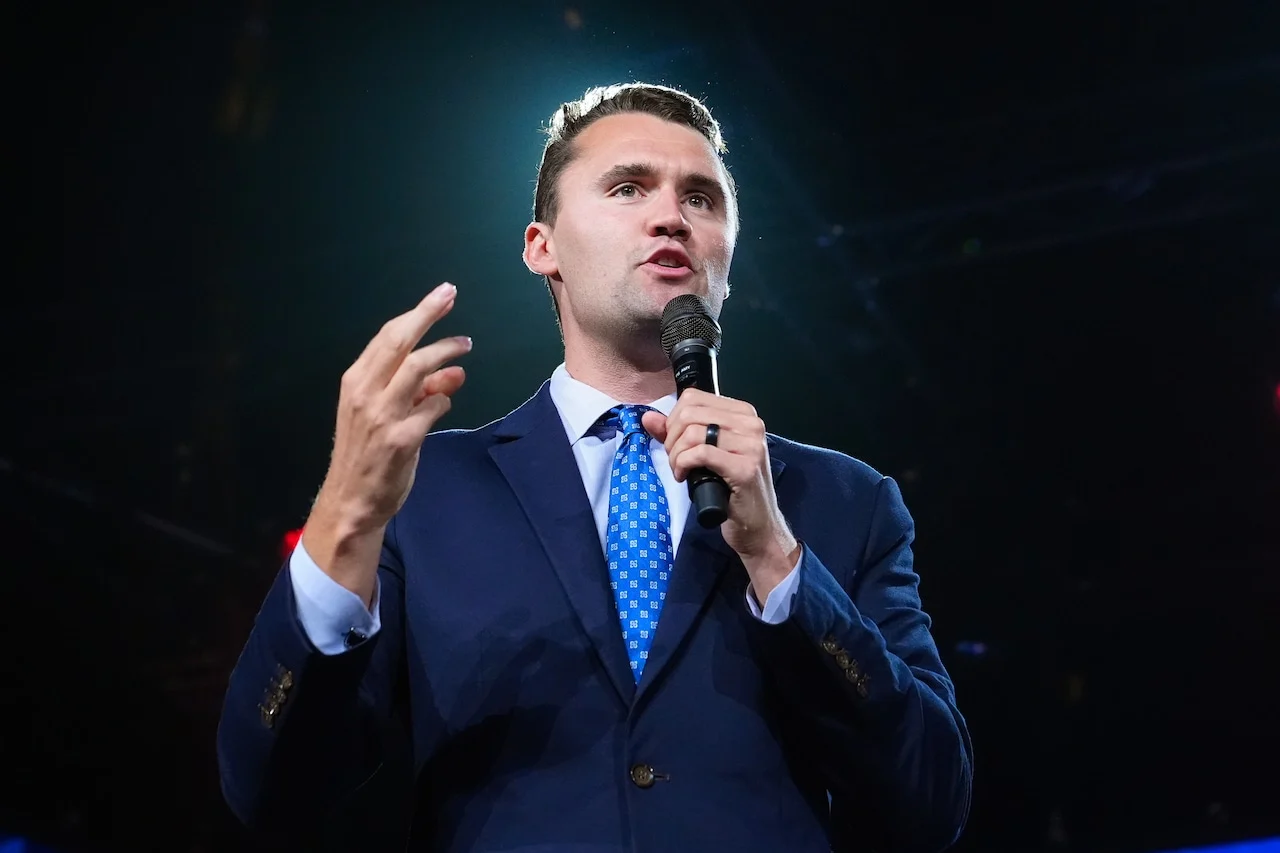
Charlie Kirk, 31, was a polarizing but influential leader in the conservative movement. He was fatally shot on Sept. 10, 2025, while appearing at a speaking engagement.
As the trial moves forward, the lack of a definitive forensic link between the bullet and the rifle remains a central hurdle for the prosecution. However, the ATF’s refusal to exclude the weapon ensures that the .30-06 rifle remains a critical, albeit contested, piece of evidence in the high-stakes trial.