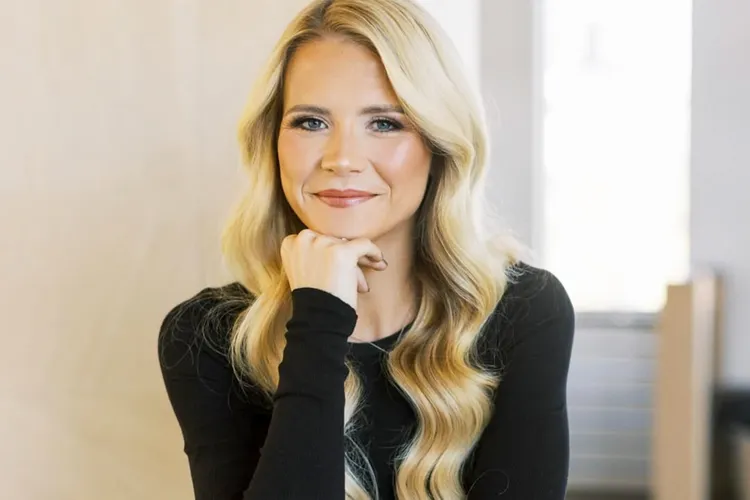

Elizabeth Smart, the nationally recognized advocate for survivor rights and child safety, has revealed a transition into the world of competitive bodybuilding, framing the move as a reclamation of physical autonomy decades after her high-profile abduction.
Smart, 38, confirmed this week that she recently competed in the Wasatch Warrior bodybuilding and fitness competition, held April 17–18 in Salt Lake City. While the event marked her fourth time on stage, it was the first time she chose to go public with her participation, citing a long-standing fear of professional and personal judgment.
In a statement following the event, Smart addressed the psychological hurdles of sharing her new pursuit. She admitted to worrying that the fitness industry’s aesthetic focus might cause the public to perceive her as “less than” or “unworthy” of her serious work as an advocate.
“I think it’s easy to be labeled as one thing,” Smart noted, drawing a parallel between current public perceptions and the labels imposed upon survivors of trauma. “We are more than just one topic, one idea, one label.”
Smart was 14 when she was kidnapped from her Salt Lake City home in 2002. During her nine-month captivity, she was subjected to starvation and repeated physical and sexual abuse. She was recovered by authorities in March 2003 and has since dedicated her life to legislative and personal advocacy for victims.
For Smart, bodybuilding serves as a testament to the resilience of the human form. She described the sport as a rigorous challenge that pushed her to celebrate a body that has endured “every hellish grueling experience” and the birth of her three children.
“My body has risen to every single challenge life has presented it with,” Smart said. “I refuse to be ashamed of it. I refuse to feel embarrassed about trying something new.”
Her coach, Robyn Maher, described Smart as a “bad ass” who exemplifies the ability to balance high-level advocacy and motherhood with elite physical training.
The transition marks a definitive shift in how Smart manages her public persona. By stepping onto the stage in a bikini—a stark contrast to the conservative public image often associated with her advocacy—she is signaling a refusal to live what she calls a “half-life.”
Smart’s foray into fitness underscores a broader message to the survivor community: the past does not dictate the limits of future happiness or personal expression. As she continues her work with the Elizabeth Smart Foundation, she remains committed to proving that resilience is not just about surviving, but about the “courage to chase new experiences.”