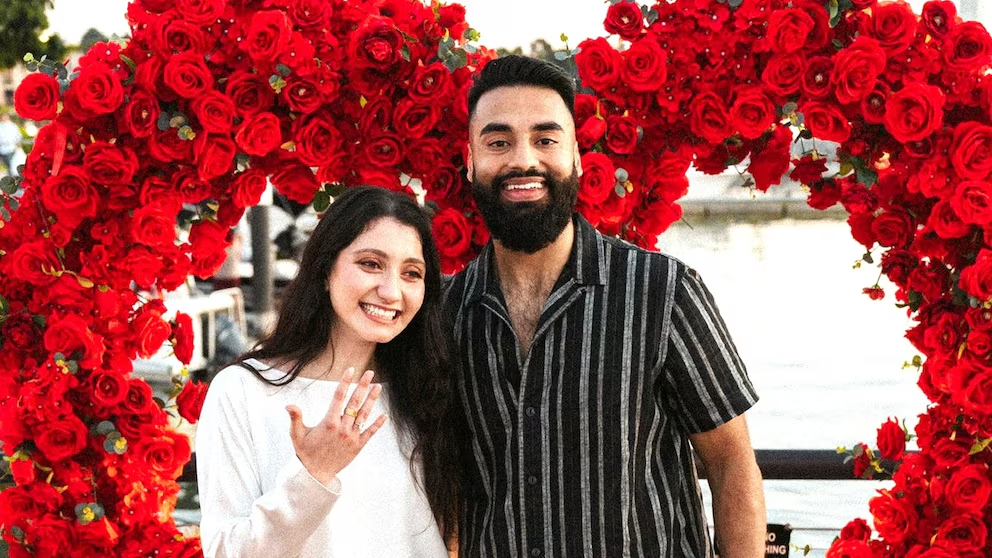

Texas: A 22-year-old Palestinian woman from Texas, Ward Sakeik, is speaking publicly for the first time about her grueling 140-day ordeal in U.S. immigration detention, describing the experience as “dehumanizing” and likening her treatment to that of “cattle.”
Sakeik, who was born in Saudi Arabia to a Palestinian family but holds no citizenship, was detained by Immigration and Customs Enforcement (ICE) in February at Miami International Airport after returning from her honeymoon in the U.S. Virgin Islands with her American husband. Despite having lived in the U.S. since she was 8 years old, she was arrested and transferred between three detention centers over the course of four months.

She was released on July 3, and during a press conference shortly after, she recounted the trauma of being shackled, denied food and water, and transferred across state lines in conditions she called inhumane.
“I lost five months of my life because I was criminalized for being stateless—something I had no control over,” Sakeik said. “I didn’t choose to be stateless. I didn’t commit a crime. I just am.”
A Life in Limbo
Sakeik moved to the U.S. as a child on a tourist visa. Her family later applied for asylum, which was denied, and she was issued a deportation order over a decade ago. However, she was allowed to stay in the country under an “order of supervision,” requiring regular ICE check-ins and giving her work authorization.
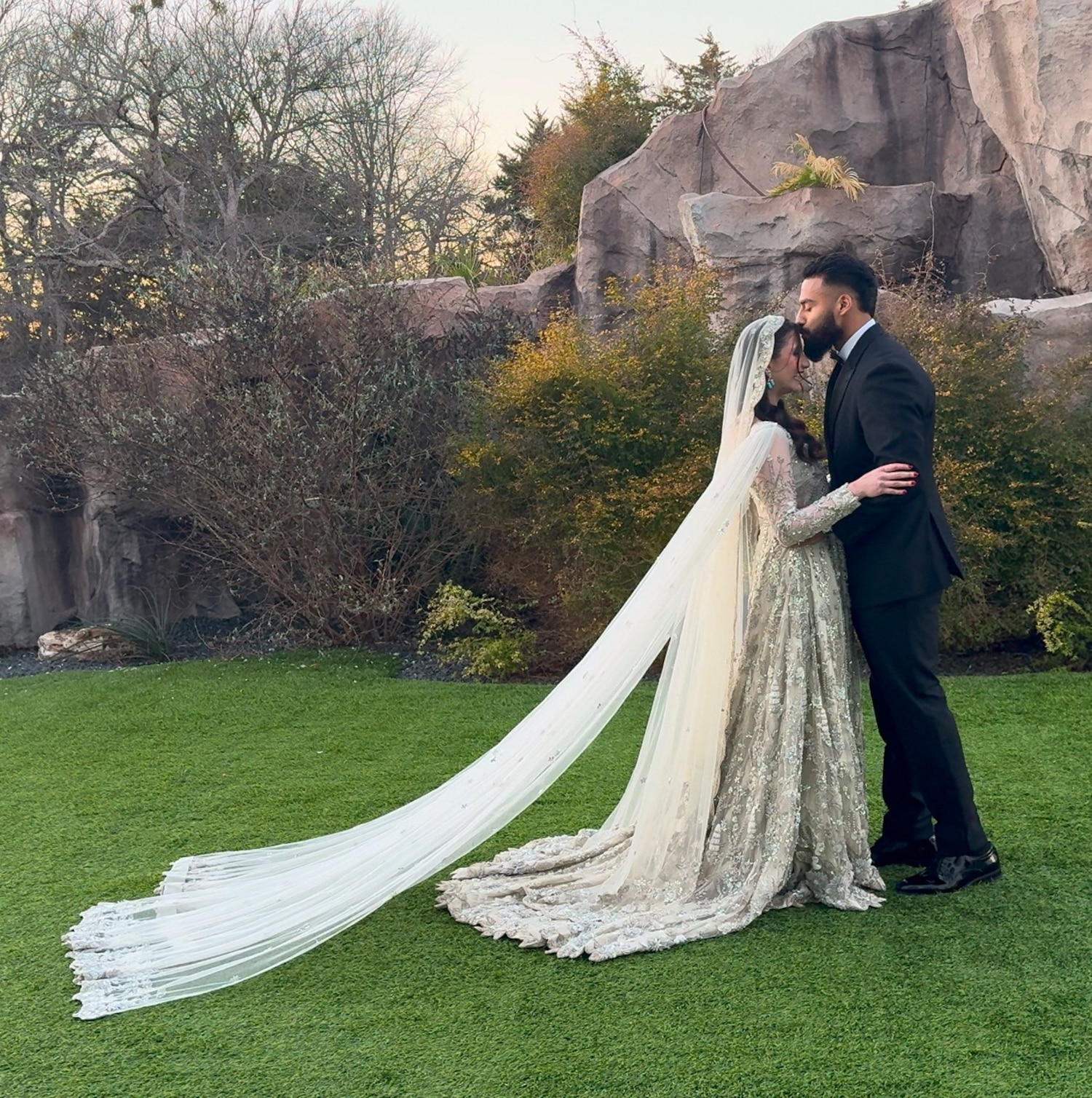
In the meantime, she built a life in Texas—graduating from high school and the University of Texas at Arlington, launching a successful wedding photography business, and marrying Taahir Shaikh, a U.S. citizen.
Despite her compliance with immigration authorities, her return from the honeymoon triggered a detention order. ICE claimed she had technically traveled over international waters, making her subject to customs screening even though the U.S. Virgin Islands are a U.S. territory.
“I had never been outside the country. I followed every rule they gave me,” she said.

Detained and Dehumanized
Sakeik said her arrest came as a shock—she was taken into custody while still in her honeymoon clothes, then placed in a gray tracksuit and shackles. At one point, during a 16-hour bus transfer, she was fasting for Ramadan and not given food or water, even as the driver ate in front of them.
“We begged for water. We banged on the walls. He just turned up the radio,” she said.
“I broke my fast near a toilet in the intake room.”
At Prairieland Detention Center in Texas, she said women grew sick from the dusty, unsanitary environment and pest infestations were rampant.
“Rusty beds, dirty restrooms, and bugs everywhere—cockroaches, spiders, grasshoppers. Girls would wake up with bites.”
Why Is She Stateless?
Although born in Saudi Arabia, Sakeik was not granted citizenship because the kingdom does not confer citizenship to children of foreign nationals. As a Palestinian, she had no recognized nationality. Her situation, experts say, is not uncommon among children born to displaced or refugee families in the Middle East.
Her legal status left her vulnerable—even after years of building a life in America.
“I’ve lived here since I was a child. I’m married to a U.S. citizen. I pay taxes. I run a business. And still, I was locked up like a criminal.”
“They Deserve Better”
Now that she’s free, Sakeik says she plans to advocate for others still held in ICE detention, especially stateless people and immigrant women.
“The women in those facilities came here seeking a better life. Instead, they were dehumanized and treated like they didn’t matter,” she said.
“We are not less-than. We are human beings who deserve dignity.”
Her case highlights the legal and humanitarian challenges faced by stateless individuals in the U.S. immigration system, and has sparked new questions about how federal authorities handle cases involving people who have nowhere to be deported to.
“The government tried to send me to a place I didn’t know, without telling me where or why,” Sakeik said.
“But I’m here now. And I’m not staying silent.”