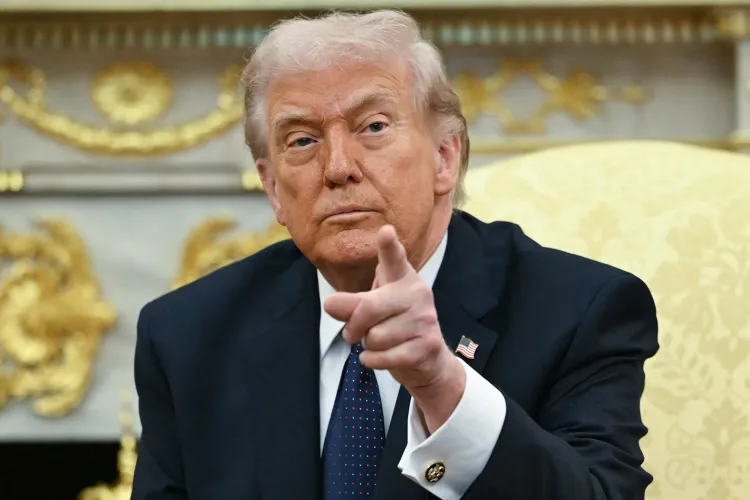

Fresh off a military intervention in Venezuela and amid an ongoing conflict with Iran, President Donald Trump signaled on Monday that he is considering a “takeover” of Cuba, capitalizing on a total collapse of the island’s electrical grid.
The President’s remarks, delivered during a White House press briefing, mark a dramatic escalation in rhetoric against the communist-led nation, which has been strangled by a monthslong U.S. oil embargo.
“I do believe I’ll be having the honor of taking Cuba,” Trump told reporters. “Whether I free it, take it—think I could do anything I want with it, you want to know the truth. They’re a very weakened nation right now.”
A Nation in the Dark
The Caribbean island of 9.6 million people suffered a total grid collapse on Monday. For weeks, the Cuban government has struggled with rolling outages, which President Miguel Díaz-Canel attributed to a “crippling” U.S. blockade that has prevented major fuel shipments from reaching the island for three months.
The humanitarian situation is deteriorating rapidly:
- Healthcare: Hospitals are reportedly operating on limited generator power, forcing the postponement of elective surgeries.
- Infrastructure: Water pumping stations and food refrigeration have failed across Havana and rural provinces.
- Diplomatic Outcry: United Nations human rights experts have condemned the fuel blockade as a “serious violation of international law,” labeling it a form of unilateral economic coercion.
The “Western Hemisphere” Strategy
The move against Havana follows the January 3 ouster of Venezuelan leader Nicolás Maduro in “Operation Absolute Resolve.” Since then, the Trump administration has aggressively targeted Cuba, Maduro’s primary regional ally, to sever the remaining ties of the “troika of tyranny.”
“All my life I’ve been hearing about the United States and Cuba. When will the United States do it?” Trump mused during the briefing.
Sources cited by The New York Times indicate the administration is actively seeking the removal of President Díaz-Canel. Secretary of State Marco Rubio, a longtime hawk on Cuba, is reportedly spearheading the policy, which aims to make the island financially dependent on the U.S. to force an end to 67 years of one-party rule.
Regional and Global Context
The timing of the Cuba “takeover” talk is notable, as U.S. forces remain engaged in a war with Iran that began in late February. Trump suggested that a “deal” with Cuba—or more direct action—could follow the conclusion of Middle Eastern hostilities.
“I think we will pretty soon either make a deal or do whatever we have to do,” Trump stated.
While the administration justifies the blockade as a response to an “extraordinary threat” posed by Cuba, critics argue the strategy is a return to “gunboat diplomacy.” Domestically, the administration faces questions over the legality of these interventions without explicit Congressional authorization.