
The U.S. population is expected to start shrinking in 2031, sooner than previously predicted, largely because of President Donald Trump’s strict immigration policies. The Congressional Budget Office now projects that 290,000 immigrants will be removed from the country between 2026 and 2029. Economists warn that fewer immigrants and negative net migration could cause problems for the U.S. workforce and increase inflation.
President Trump’s immigration crackdown is making U.S. population growth slow faster than expected, according to the CBO. Experts warn this could lead to a labor shortage, higher inflation, and possibly slower U.S. GDP growth.
The nonpartisan budget agency released a revised population forecast on Wednesday. It predicts that deaths will outnumber births in the U.S. starting in 2031—two years earlier than previously expected—due to fewer immigrants and lower birth rates.
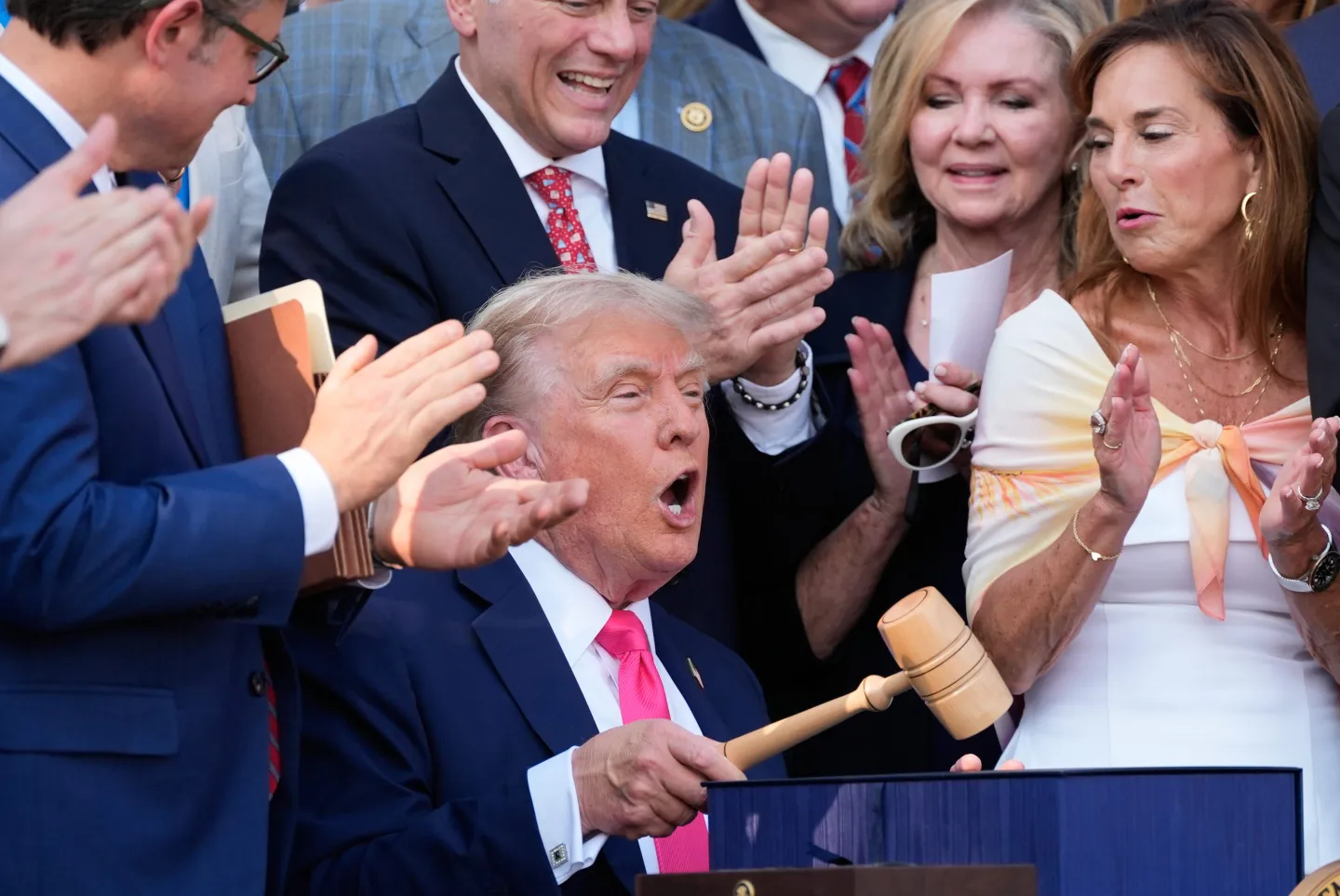
The CBO said these changes are mostly linked to Trump’s 2025 reconciliation act, or “One Big Beautiful Bill,” which provides $170 billion for immigration and border enforcement. This includes $29.9 billion for U.S. Immigration and Customs Enforcement (ICE) operations and hiring 10,000 ICE officers.
The law is expected to remove about 290,000 immigrants between 2026 and 2029. Around 50,000 immigrants may be detained daily during that period. The increase in ICE officers is predicted to lead to 5,500 more arrests in 2026 and 100,000 more in 2029 than if the law hadn’t been passed. Another 30,000 immigrants may leave voluntarily between 2026 and 2030.
This crackdown will directly affect the labor force.
“CBO estimates that the additional detentions resulting from the law will have two effects,” the report said. “First, people who are detained will not be available to work and will therefore not be in the labor force. Second, detention increases the likelihood that immigrants who receive an order of removal will be successfully removed.”
The White House did not immediately respond to Fortune‘s request for comment.
Economic effects of stricter immigration
Trump’s immigration policies have economists concerned about their impact on the U.S. workforce and the overall economy.
Although the CBO still expects positive net migration for 2025, economists warn that negative net migration—as Trump’s policies aim to create—could slow U.S. GDP growth.
A working paper from July by the American Enterprise Institute, a conservative policy center, said negative net migration could reduce consumer spending and shrink the labor force. This might lower U.S. GDP growth by 0.3% to 0.4%, or about $70.5 billion to $94 billion in lost economic output each year.
“Our workforce is disproportionately made up of immigrants relative to their share of the population, and because of that we…really can’t sustain a high level of job growth with the U.S.-born population alone, because there just aren’t enough bodies, essentially, to do that,” said Tara Watson, a Brookings Institution economist and professor at Williams College, in an earlier interview with Fortune.
Moody’s chief economist Mark Zandi warned that the shrinking labor force due to fewer immigrants could increase inflation. He predicted that inflation might rise from 2.5% to around 4% early next year if deportations continue at the current rate.
The U.S. Department of Labor reported that the producer price index (PPI), which measures wholesale inflation, rose 0.9% from June to July and 3.3% compared to last year. The core consumer price index went up 0.2% from June to July. Inflation continued rising in August as new job numbers slowed.
“Foreign-born labor force is declining, and the overall labor force has gone flat since the beginning of the year,” Zandi told Fortune last month. “That’s causing tightening in a lot of markets, adding to costs and inflation.”
“You can see it in meat prices, agriculture, food processing, haircuts, dry cleaning,” he added. “The fingerprints of the restrictive immigration policy are all over the CPI and PPI numbers we got this week.”