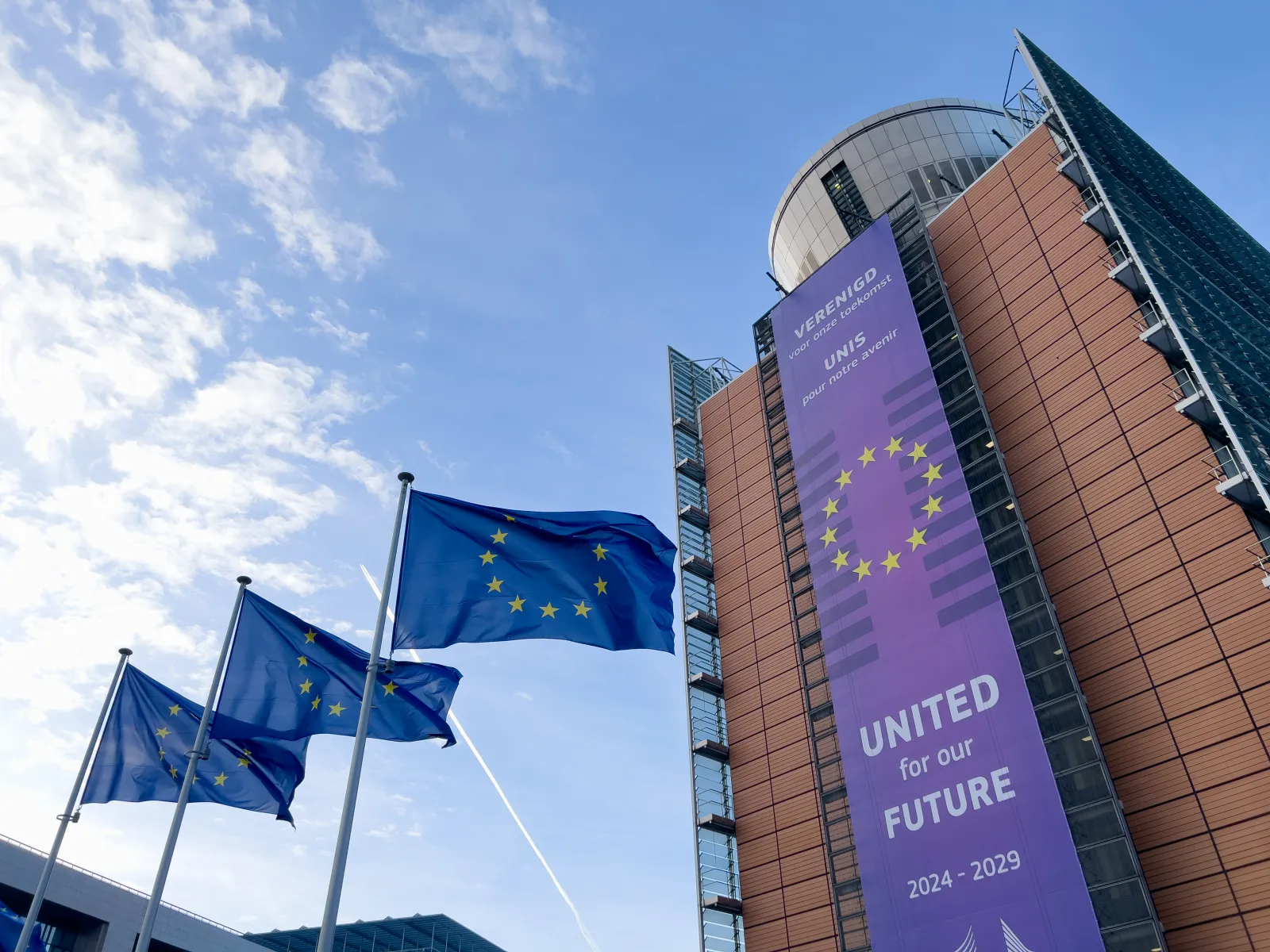

The European Union is weighing retaliatory tariffs worth up to 93 billion euros ($107 billion) in response to President Donald Trump’s threat to impose duties on countries that oppose his push to acquire Greenland, the Financial Times reported Sunday.
“There are clear retaliation instruments at hand if this continues…At the same time we want to publicly call for calm and give him an opportunity to climb down the ladder,” a European diplomat briefed on the discussion told Financial Times. “The messaging is…carrot and stick.”
Why It Matters
Trump has intensified his public push for Greenland in recent weeks, sharpening tensions with Denmark and other NATO allies who reject the idea of the United States taking control of the world’s largest island. Greenland is a semi-autonomous territory within the Kingdom of Denmark.
Trump argues the U.S. must acquire Greenland to bolster security in the Arctic, citing increased interest from Russia and China. He has also claimed Denmark is not capable of defending the territory. Several European countries, urging Washington to pursue any security objectives through existing NATO frameworks, have deployed troops to Greenland as part of Denmark’s Operation Arctic Endurance exercise.
Against that backdrop, Trump said he would introduce punitive tariffs against nations that oppose his efforts—starting with a 10 percent tariff on February 1, rising to 25 percent on June 1, and staying in place until an agreement on Greenland is reached.
What To Know
European ambassadors from all 27 EU member states held an emergency meeting Sunday to discuss potential responses to Trump’s tariff threat. European officials have warned such measures could jeopardize a trade and tax deal between the U.S. and the EU that was reached last summer but still awaits ratification.
The Financial Times, citing officials involved in planning, reported that EU leaders are preparing a list of retaliatory tariffs designed to strengthen their leverage in upcoming meetings with Trump at the World Economic Forum in Davos on Wednesday and Thursday.
Officials involved in the talks are also attempting to prevent the dispute from widening into a broader rupture between longtime allies—an outcome that could carry significant security implications for Europe as negotiations continue over the war in Ukraine.
The potential tariffs are reportedly drawn from a list prepared last year but paused until February 6 to avoid escalating into a trade war.
France is also backing discussion of the EU’s anti-coercion instrument, which could restrict U.S. companies’ access to parts of the EU’s internal market. The tool was introduced in 2023 but has not yet been used.
What Happens Next
Finance ministers from France and Germany are scheduled to meet Monday before heading to Brussels for talks with other European counterparts, as the EU works toward a coordinated response to Trump’s tariff threat.