
A federal judge in New Hampshire has blocked President Donald Trump’s executive order aimed at ending birthright citizenship, granting nationwide class-action status to infants affected by the policy.
U.S. District Judge Joseph LaPlante issued a temporary injunction Thursday halting the enforcement of the order and said he would release a full written opinion by day’s end. His ruling limits the scope of the class to impacted infants only, removing parents as plaintiffs.
In his decision, LaPlante found that stripping citizenship rights guaranteed under the 14th Amendment—and upending long-standing U.S. policy—could cause “irreparable harm.”
Legal Battle Over Trump’s Order
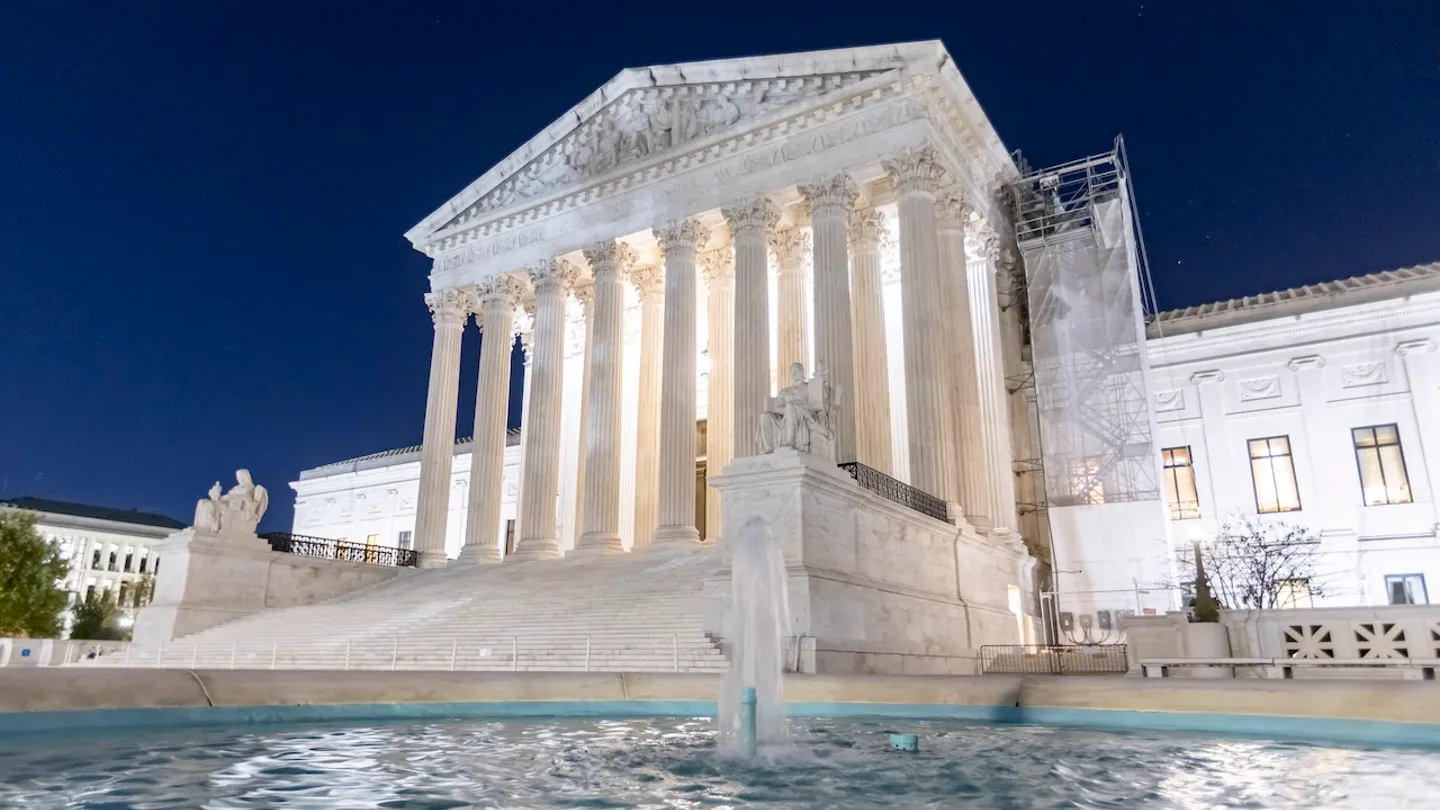
The Trump administration has vowed to appeal the decision swiftly. This development follows a recent 6-3 ruling by the U.S. Supreme Court in June, which held that plaintiffs seeking nationwide relief must pursue their case as a class action—narrowing when lower courts can issue broad, so-called universal injunctions.
Notably, the Supreme Court did not address the legality of Trump’s executive order itself, which was the foundation of this challenge.
Despite that, Justice Department officials told a federal judge last week that enforcement of the birthright citizenship order would begin as early as July 27, citing a 30-day stay issued by the high court.
What Trump’s Order Does
Signed on the first day of his second term, President Trump’s order directs federal agencies to deny citizenship to children born in the U.S. unless at least one parent is a U.S. citizen or lawful permanent resident. The administration argues the move is necessary to curb illegal immigration and close what it calls a “loophole” in the system.
But the executive order quickly drew backlash. Immigrant advocacy groups and 22 states sued to stop it, calling the effort “unconstitutional” and “unprecedented,” arguing it violates over a century of established legal precedent regarding the 14th Amendment.
Lower courts moved swiftly to freeze the policy, and it was elevated to the Supreme Court for procedural review in May.
Class Certification and Ongoing Lawsuits
Following the Supreme Court’s procedural ruling, civil rights groups—including the ACLU—re-filed class action lawsuits in federal courts in New Hampshire and Maryland. Thursday’s decision by Judge LaPlante marks a significant step forward for one of those cases.
The Trump administration, meanwhile, maintains that the court’s June decision does not prevent it from taking action prior to July 27. DOJ lawyers have said the administration is already preparing to issue public guidance and directives for implementing the policy.
Critics Warn of Fallout
Critics of the order warn that its impact could be “catastrophic,” stripping citizenship from newborns and creating a generation of stateless children.
“This order is a direct attack on the 14th Amendment and an unprecedented assault on settled law,” immigration advocates said in a joint statement Thursday.
The legal battle is expected to escalate rapidly as the July enforcement date approaches.