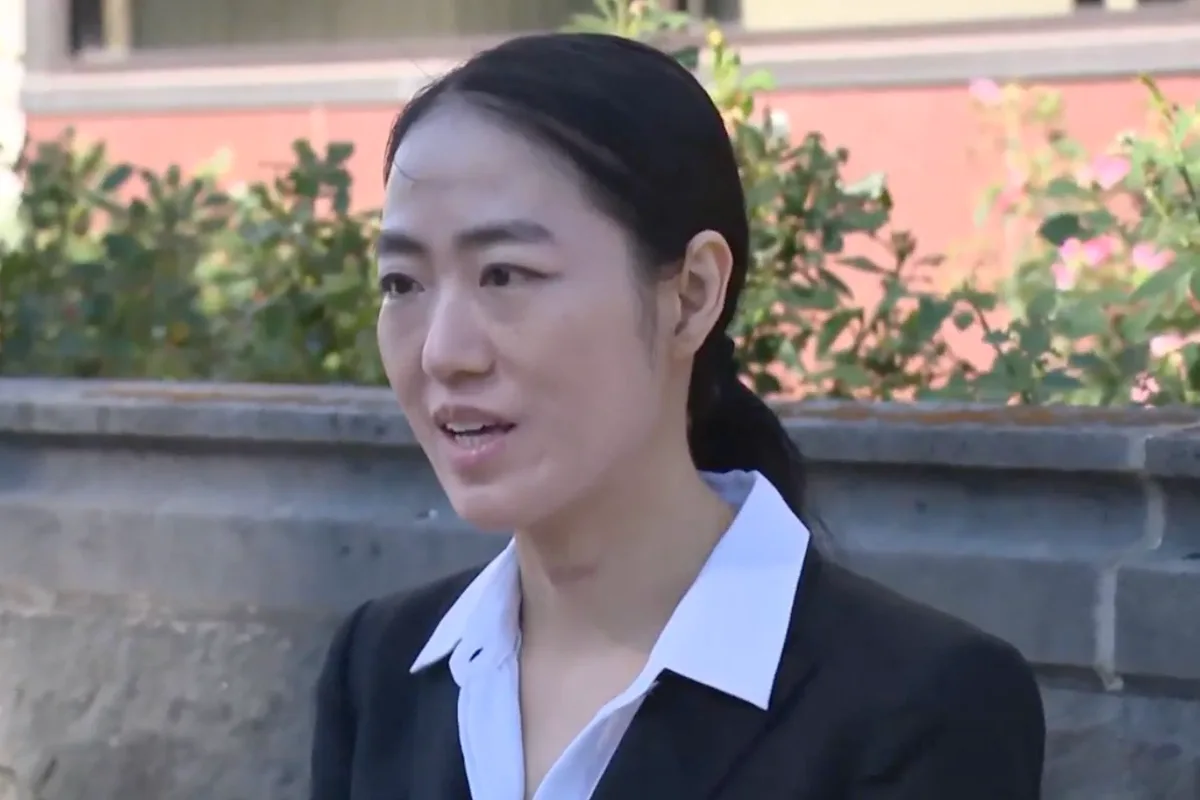

A former Michigan State University graduate student is suing the school for $100 million, claiming her time in the university’s horticulture program led to a cancer diagnosis after she was exposed to hazardous chemicals.
Ling Long Wei, 41, originally from China, worked as a research assistant at Michigan State from 2008 to 2011 while pursuing her master’s degree. In a lawsuit filed this month, Wei alleges she developed thyroid cancer as a result of handling pesticides and herbicides without proper training or protective equipment.
Michigan State University spokesperson Amber McCann declined to comment to The Independent, citing ongoing litigation. However, she emphasized that the school “prioritizes the health and safety of our entire campus community.”
“Appropriate and required training and necessary personal protective equipment is provided in compliance with applicable university policies and state and federal laws,” McCann said.
Wei’s attorney, Maya Greene, told reporters that studying at Michigan State had been Wei’s “dream,” but her experience quickly turned into a nightmare. According to the lawsuit, Wei was required to take part in field research as part of her assistantship and coursework, which often meant traveling off campus to spray herbicides and pesticides.
Those assignments sometimes lasted up to eight hours a day, the suit claims. Wei alleges she was never given adequate training or safety gear such as masks, gloves, or coveralls.
“While spraying these toxic chemicals, the wind would often blow the chemicals into Ms. Wei’s face,” the lawsuit states. “Ms. Wei was exposed to hazardous pesticides for over 7,000 hours, unprotected and untrained.”

By 2010, Wei began suffering from shortness of breath, but the university’s health center attributed it to anxiety, according to the complaint. Supervisors also allegedly assured her the chemicals were safe.
The lawsuit says Wei continued her work without protective equipment, despite worsening symptoms, because she feared retaliation and “hostile treatment from superiors in the program.”
Wei was later diagnosed with papillary thyroid carcinoma, the most common form of thyroid cancer, which accounts for roughly 80 percent of cases, according to the Columbia University Thyroid Center.
She underwent a series of medical procedures and surgeries in 2024 and is now in remission, according to a spokesperson for her attorney’s firm, GreenLight Law Firm. However, the lawsuit says her cancer left her with lasting health challenges, including hormone imbalances, chronic fatigue, and difficulties with fertility.
“My recovery journey has been very challenging,” Wei said during a press conference. “After undergoing my thyroid cancer surgery, I did have to adjust to taking medication every day to regulate my hormone levels. I will need to take thyroid pills every day for the rest of my life. I will live with my permanent scar, and I will have to always struggle against depression because of hormone imbalances.”
The Independent has contacted Wei’s attorney for additional comment.
Researchers continue to study the connection between pesticides and cancer. The National Pesticide Information Center, a joint initiative by Oregon State University and the U.S. Environmental Protection Agency, notes that some pesticides are carcinogenic and may increase cancer risk. Still, exposure does not guarantee a diagnosis.
The Dana-Farber Cancer Institute explains that pinpointing the exact cause of an individual’s cancer is nearly impossible. “It’s almost impossible to pin an individual case of cancer on a particular culprit with 100 percent certainty,” its website states.