
A proposed 2,000-acre data center project backed by an unidentified Fortune 500 company is moving forward in rural Kentucky, placing dozens of mobile home residents at risk of displacement and raising urgent questions about housing security in the region.
At the center of the controversy is Meadowland Village Mobile Home Park, where 28 residents have been given 90 days to vacate after the property was placed under contract for sale. For many, the timeline and limited relocation options could lead to homelessness.
Lisa Helphinstine, a 50-year-old disabled widow, said the notice came as a shock. She purchased her mobile home with inheritance funds after her husband’s death and now faces losing it. “I have no idea what I’m going to do,” she said, citing the lack of nearby parks and strict local zoning laws requiring five-acre plots for mobile homes.
Those regulations, which mandate full utility hookups, effectively price out many residents—most of whom are retirees or individuals on fixed incomes. Rico Roberts, 67, who has lived in the park for two decades, said purchasing land is financially impossible. “We were planning to live here the rest of our lives,” he said.
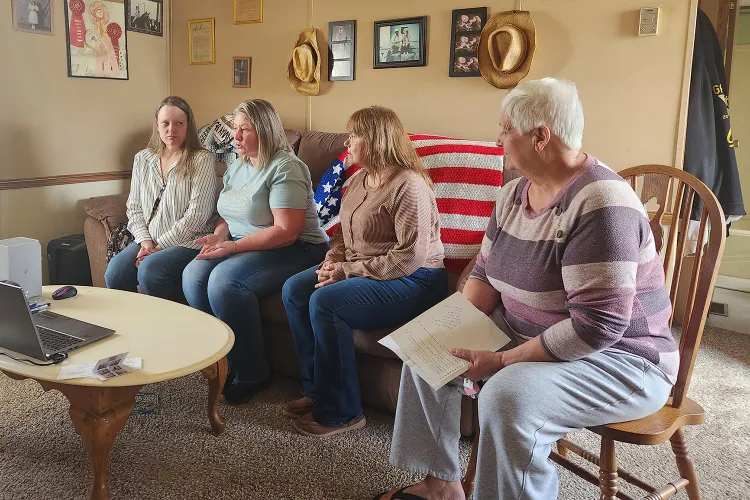
:max_bytes(150000):strip_icc():focal(702x264:704x266):format(webp)/Meadowland-Village-Mobile-Home-Park-Roger-Purcell-040926-608b625b85c146d6afe2e792a31c6573.jpg)
The data center proposal has drawn attention across the county, particularly after reports surfaced that a nearby family rejected a $26 million offer for farmland tied to the same project. In contrast, mobile home residents—who do not own the land—were initially offered up to $20,000 for relocation expenses. That figure was later increased to $50,000 during a planning commission hearing on April 2, where preliminary zoning changes were approved.
Even the revised compensation has sparked concern. Residents fear that a lump-sum payment could jeopardize eligibility for essential benefits such as Social Security, disability income, and SNAP assistance.
Health and age compound the crisis. Roger Purcell, 68, is recovering from a stroke and managing kidney failure. He said the uncertainty has taken a toll on his household. “There’s not enough left after bills to handle a move like this,” he said.
Local social worker Jessie Rice, who has worked in the community for nearly two decades, warned of broader consequences. “Where do these people go?” she asked, noting the absence of affordable housing alternatives in the area.
For some, leaving the county may be the only option. Kim Halstead, 64, said she expects to relocate after decades in the community, adding that her daughter’s nearby rental home could also be sold if the price is right.
County officials are expected to hold another public meeting on April 22, with final approval of the data center project anticipated in May. Until then, residents remain in limbo—caught between economic development ambitions and the immediate reality of displacement.