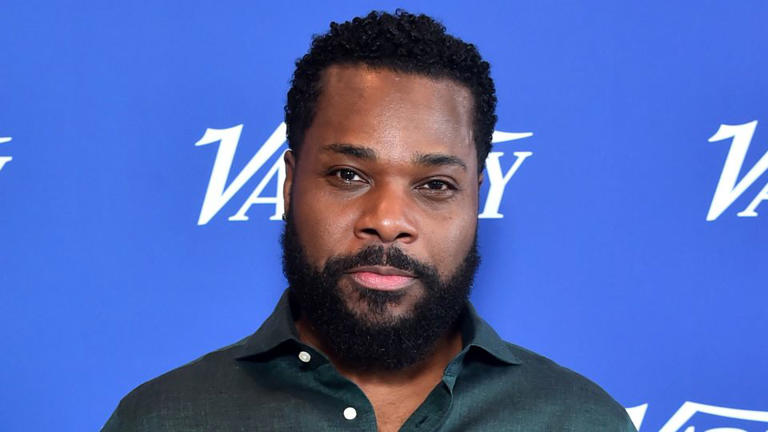

The loss of Malcolm-Jamal Warner is a heartbreak that cuts deep.
For those of us who came of age Black in America during the 1980s, he wasn’t just an actor on a hit sitcom. He was a symbol. A mirror. A path forward.
Before the world knew the Obamas, we had the Huxtables. Before college counselors, we had The Cosby Show. And before many of us saw ourselves as college-bound, ambitious, and full of promise — we saw Theo.
Theo Huxtable wasn’t just a character. He was the first image many young Black boys saw on national television who looked like us, talked like us, and wasn’t destined for prison or poverty — but for greatness. Not despite his Blackness, but while owning it with pride.
When The Cosby Show first aired, it broke barriers. Not simply because of its Black cast — that had been done. But because it showcased a successful Black family thriving with humor, intelligence, and love. A doctor dad. A lawyer mom. And kids who were smart, funny, and fully human. Right in the middle stood Theo — awkward, endearing, growing up in real time. He wasn’t perfect. And that’s what made him powerful. He was us.
That mattered — deeply.
For decades, television offered Black America little more than stereotypes: servants, criminals, comic relief. Theo Huxtable disrupted that narrative. He was a teenager with hopes, flaws, and a future. That simple fact — seeing a Black kid navigating normal life with support and high expectations — helped change how millions saw themselves and each other.
And it changed me.
Like Theo, I came from a middle-class Black family — professional parents, big dreams, and all the usual adolescent struggles. Watching him on screen made me feel seen in a way I hadn’t before. He told kids like me: you are not an exception. You are part of something bigger.
But Malcolm-Jamal Warner didn’t fade into nostalgia. He matured into an artist of remarkable depth and integrity. He never chased tabloids or sacrificed principle for attention. Instead, he built a career defined by intention — speaking openly about mental health, masculinity, and the fullness of the Black experience. Through music, poetry, acting, and podcasting, he reminded us that our complexity is worth celebrating.
In an industry that often swallows young stars, Malcolm stood tall. He navigated fame with grace. While others unraveled under the spotlight, he evolved — steady, honest, and unapologetically Black. His creative choices weren’t just entertaining; they were affirming.
His passing feels like losing a family member — a cousin, a big brother, a reflection of an era when Black excellence finally had a consistent seat at the cultural table. When entire families tuned in together, week after week, to witness something revolutionary.
Yes, the legacy of The Cosby Show is complicated by the crimes of its creator. But the brilliance and dignity of its cast — especially its younger stars — remain untouched. Lisa Bonet. Tempestt Bledsoe. Keshia Knight Pulliam. And Malcolm-Jamal Warner. They lived the values that show taught us: resilience, intellect, and pride.
To mourn Malcolm loudly is not an overreaction. It’s a recognition of how rare and precious it was — and still is — to see Black youth portrayed with depth, ambition, and joy. He gave us dignity in primetime.
Malcolm-Jamal Warner started strong. And he kept rising.
Let us honor him by not only remembering Theo, but by carrying forward the stories he told, the truths he championed, and the vision of a world where we are fully seen.
Rest in power, Malcolm. You mattered — and you still do.