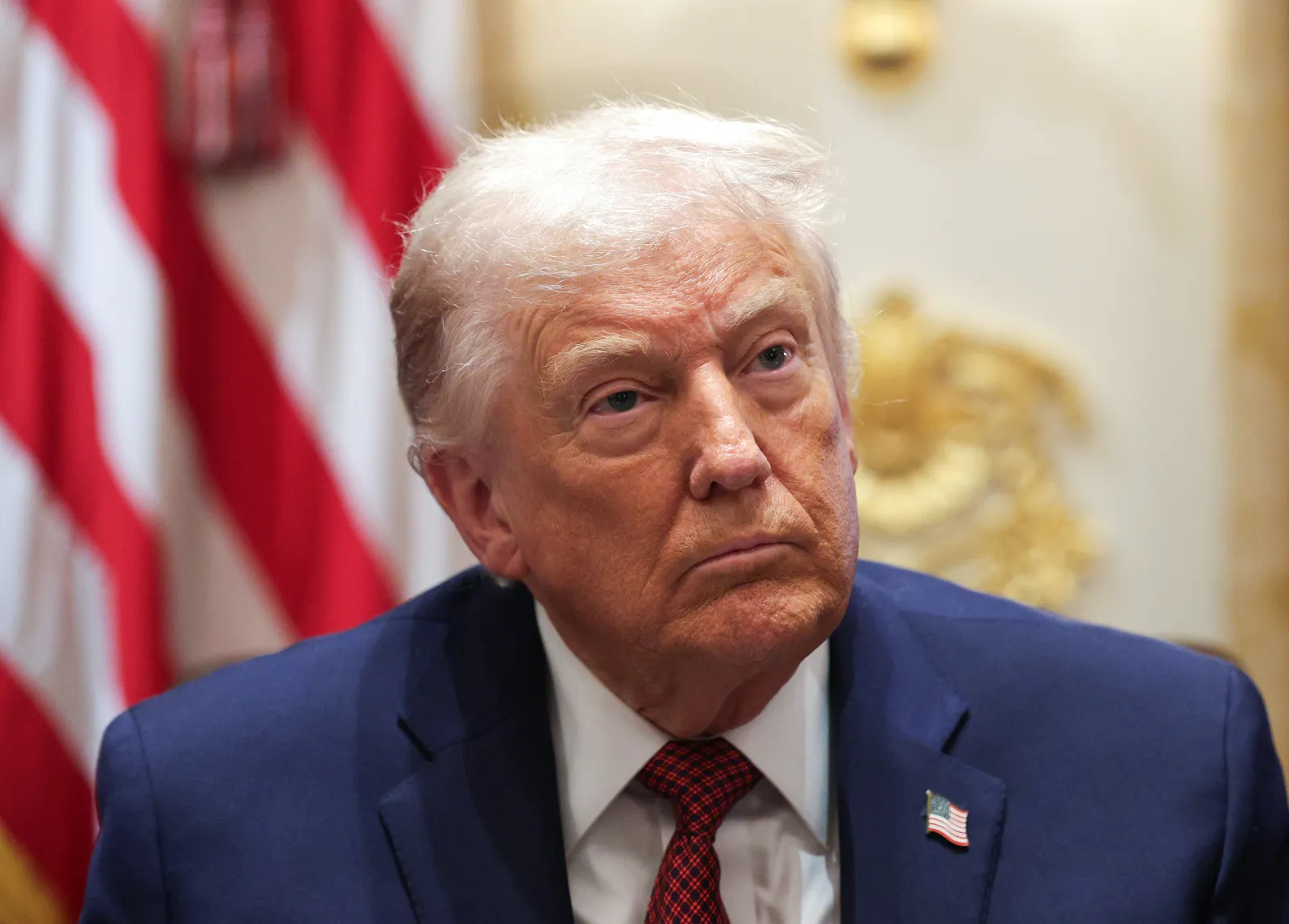

Gallup polling indicates public approval for several federal agencies has fallen sharply since President Donald Trump returned to office — with the steepest declines hitting the Federal Emergency Management Agency (FEMA) and the Centers for Disease Control and Prevention (CDC), amid criticism of their management. The administration argues the public’s dissatisfaction began well before Trump’s return, pointing to pandemic-era mistakes and widely criticized emergency-response failures.
Not every agency has slid. The Department of Homeland Security (DHS) has posted higher approval ratings, aligning with the administration’s priorities. Trump officials have been clear about plans to reshape the federal bureaucracy and cut what they describe as government bloat, even as roughly 180 former officials have warned that proposed changes to FEMA could create serious risks.
Gallup’s numbers show CDC approval dropping from 40% to 31%, a decline critics connect to controversy surrounding the department’s leadership under Health Secretary Robert F. Kennedy Jr. Meanwhile, DHS approval climbed by 10 points to 42%, suggesting growing backing for the administration’s immigration enforcement agenda. The survey offers one of the most recent national snapshots available in late 2025 of how Americans currently view major government institutions.
Why Some Agencies Take the Hardest Hits
Analysts note that FEMA and the CDC are often evaluated in the harshest light during emergencies — when failures are highly visible and anger is immediate — while successful prevention and preparedness can be harder for the public to recognize in real time.
The results also reflect a sharp partisan divide in how agencies are perceived. Some experts have warned that prioritizing loyalty over expertise risks weakening institutional performance, particularly in crisis-driven agencies where decision-making and competence can be the difference between stability and catastrophe.
Even with broader declines, some institutions remain relatively resilient. The United States Postal Service, for example, continues to hold a 56% approval rating, standing out as a trusted entity in a period of wider skepticism.
Institutional Strain and Political Strategy
Former University of Maryland School of Public Policy dean Dr. Don Kettl said the drop in trust fits into a longer trend — but argued the administration’s approach is different from past efforts to rebuild confidence.
“For decades, there’s been a lot of concern about the decline of trust in government in the United States, along with a lot of concern about trying to figure out what to do about it. The Trump administration has essentially jumped over that problem to a very different kind of strategy of attacking the things that it wants to attack and to undermine the parts of the bureaucracy it wants to undermine, but at the same time to boost the course of bureaucracy it likes.”
Kettl added that FEMA’s job makes it uniquely vulnerable, because it becomes most visible only when things go wrong.
“FEMA is not useful to the president until it’s essential. It’s a hard agency to try to manage because there are essentially only bad things that can happen to you.”