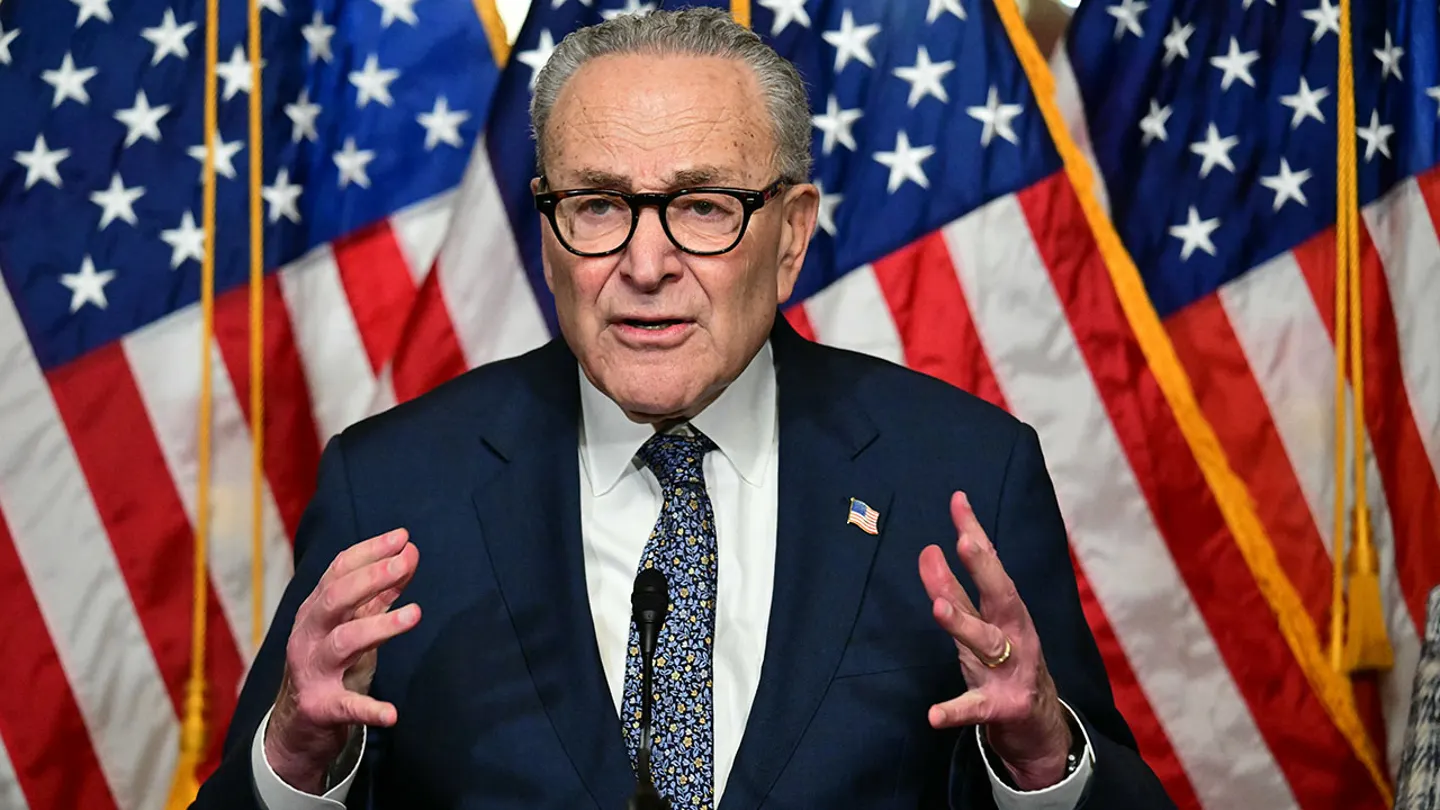

Senate Democrats once again blocked Republicans’ latest attempt to briefly reopen the government, marking the 14th rejection of the House-passed continuing resolution (CR) and virtually guaranteeing that the current shutdown will become the longest in U.S. history.
The decision came amid a mix of renewed bipartisan conversations and growing fatigue within the Senate. While lawmakers have indicated that negotiations are progressing, Tuesday morning’s vote coincided with the shutdown reaching its 35-day mark — tying the previous record set in 2019 — and ensuring it would surpass it later in the evening.
Senate Minority Leader Chuck Schumer and his Democratic caucus remain firm in their stance: the government will not reopen until there is a binding agreement on expiring Obamacare subsidies. Speaking on the Senate floor, Schumer attributed the healthcare uncertainty to Republicans and former President Donald Trump after Americans received notices of increased premiums.
“The only plan Republicans have for healthcare seems to be to eliminate it, and then to tell working people to go figure it out on their own,” Schumer said. “That’s not a healthcare plan. That’s cruel.”
However, cracks appeared in the caucus’ unified front when nearly a dozen Senate Democrats met privately on Monday to discuss potential compromises to end the shutdown.
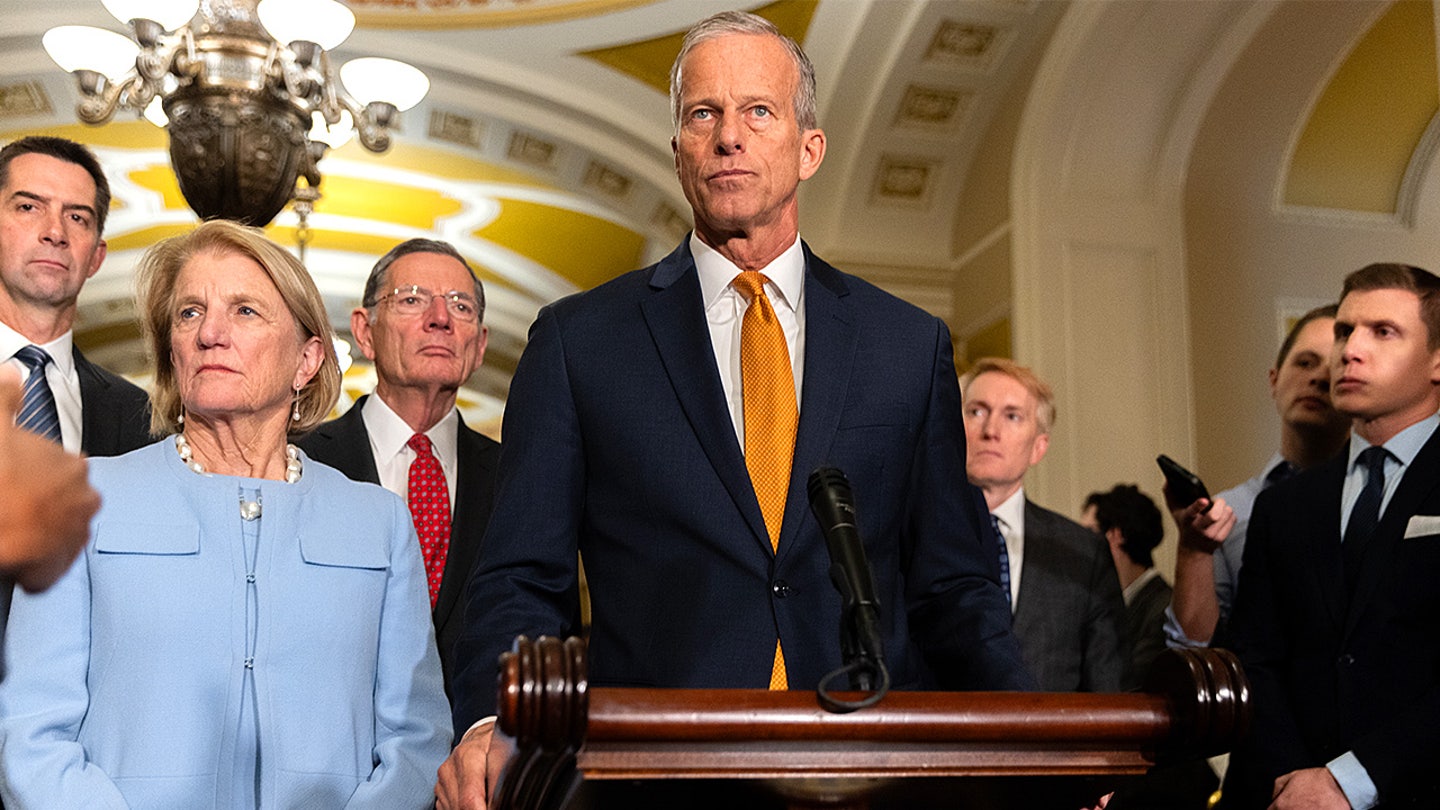
Senate Majority Leader John Thune expressed cautious optimism that the shutdown could conclude soon, though he doubted it would be resolved by week’s end. Thune pointed out that Republicans have offered Democrats multiple options, including a guaranteed vote on the expiring healthcare subsidies or on whatever version of an Obamacare-related bill Democrats want to pursue after the government reopens.
“But the pressures, the cross pressures that everybody’s feeling, are great,” Thune said. “There are people who realize this has gone on long enough and that there’s been enough pain inflicted on the American people. It’s time to end it.”
Complicating matters further is the current CR’s end date of Nov. 21, which many lawmakers say doesn’t provide enough time to complete the necessary spending bills — one of the majority’s stated priorities. Few want to reopen the government only to face another shutdown weeks later.
Discussions are underway about extending the CR, either by modifying the existing bill or introducing a new one. Some senators support pushing the extension into January, while others prefer December. A group of spending bills — a “minibus” — could also be linked to the new extension.
Negotiations over government funding are taking place alongside separate conversations on Obamacare subsidies, but neither side has fully laid out a clear path to end the standoff.
Sen. Mike Rounds, who has regularly participated in bipartisan negotiations, expressed hope but uncertainty about reaching a resolution this week. “Bottom line is they can stop all this with one vote and get back to work on a bipartisan basis. Again, that’s what we’re hoping.”
Both parties acknowledge that altering the subsidies this late in the cycle presents challenges since insurers already released their 2025 rates and guidance over the weekend in alignment with open enrollment.
Despite those difficulties, senators are still debating potential paths forward. Sen. Lisa Murkowski, who has been engaged in bipartisan talks, said her proposal would extend the Obamacare subsidies for two years. She emphasized that major reforms would be “really, really hard” right now due to the finalized insurance rates. Other ideas under discussion include reinstating the income cap and adjusting the percentage that lower-income enrollees contribute toward premiums.
“There’s no highly brand-new thing that anybody’s really talking about,” Murkowski said. “It’s just what’s the right concoction?”
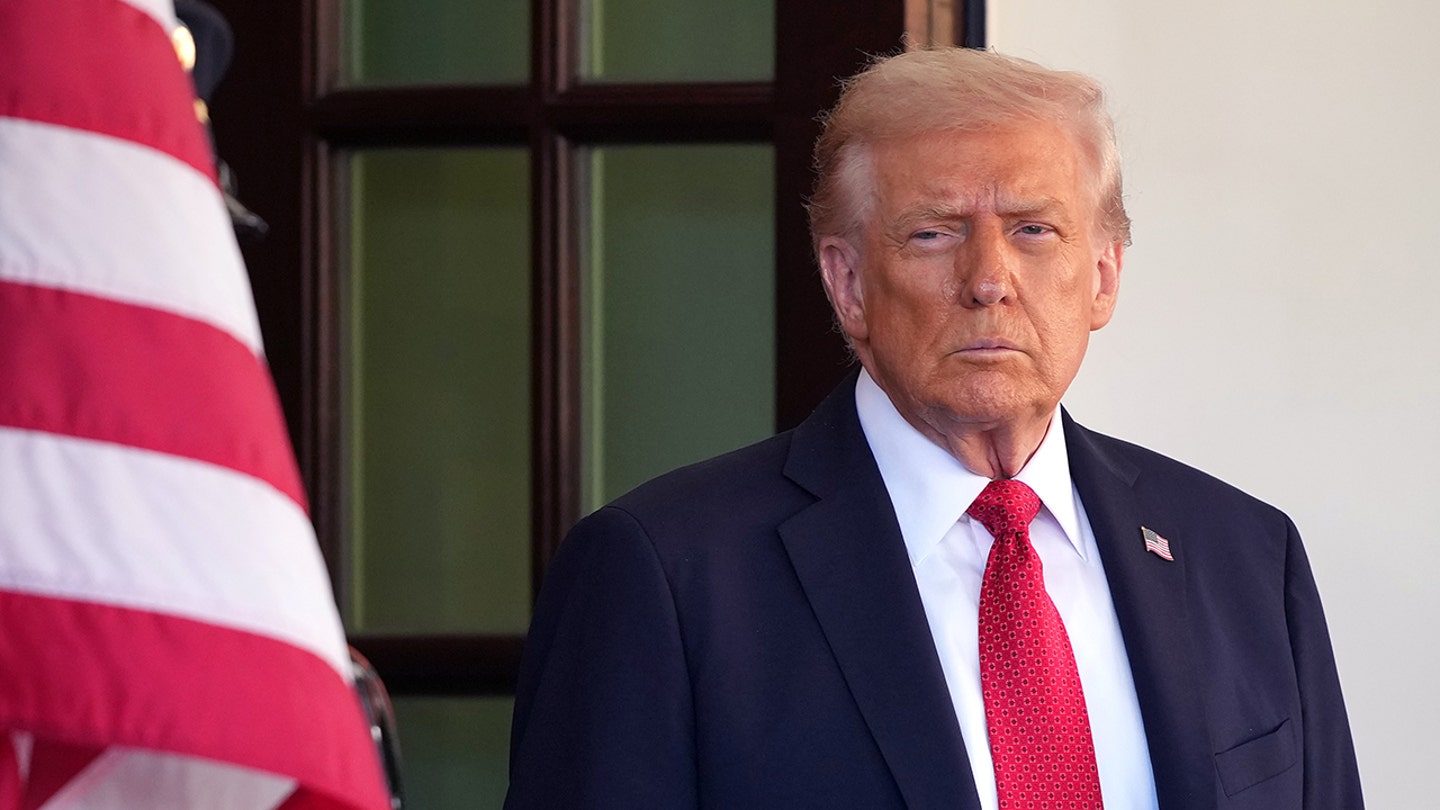
Within the Democratic caucus, frustration continues to build over Trump’s limited involvement in negotiations. Some argue that without direct engagement from him, any agreement reached on Capitol Hill remains uncertain.
Trump has said he will only meet with Schumer and House Minority Leader Hakeem Jeffries after the government reopens. Over the weekend, he urged Senate Republicans to eliminate the 60-vote filibuster threshold — a move widely considered unlikely.
“At no point since Oct. 1 has Donald Trump agreed to sit down with Democratic leaders,” said Sen. Andy Kim. “So he can talk all he wants about the filibuster, but until he actually puts some skin in the game and sits down and talks to us, that is all meaningless to me. If he’s got time to tweet, he’s got time to come and talk to us.”