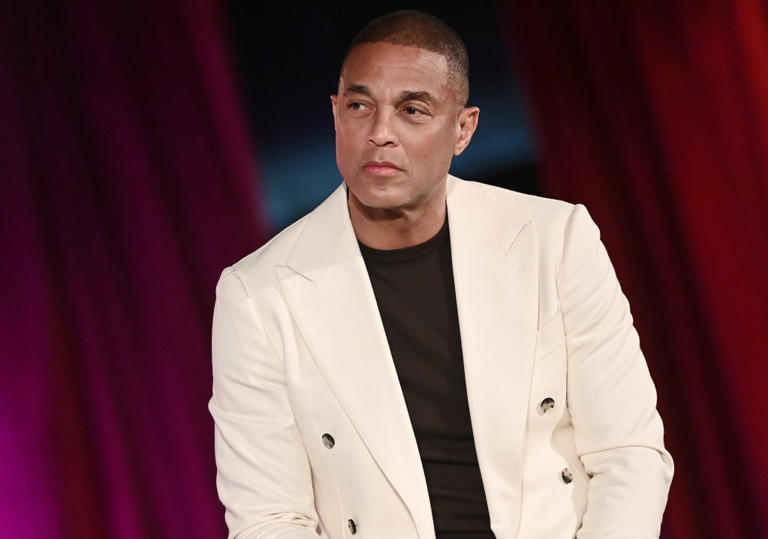

ST. PAUL, MN — A federal judge has denied a Trump administration request to indefinitely delay the criminal trial of journalist Don Lemon, rejecting the government’s attempt to classify the high-profile civil rights case as “complex.”
In a court order issued Monday and reviewed by our editorial team, U.S. Magistrate Judge Douglas Micko ruled against the Department of Justice’s (DOJ) motion for a 90-day extension. While the judge granted a modest 30-day window to manage the volume of evidence, he firmly dismissed the government’s claim that the proceedings required an exemption from the Speedy Trial Act.
The ruling marks a pivotal moment in a case that has become a flashpoint for First Amendment debates and the Trump administration’s aggressive stance on domestic protests.
The Core Conflict: Worship vs. Press Freedom
The case stems from a January 18 service at Cities Church in St. Paul. Lemon, independent journalist Georgia Fort, and several others were indicted on charges of conspiracy and interfering with the First Amendment rights of worshippers.
The protest targeted an ICE official serving as a pastor, occurring amidst heightened tensions following the fatal shootings of two U.S. citizens by federal agents earlier that month.
The Prosecution’s Stance: The DOJ argues the protest was an illegal disruption of a “sacred right” to worship.
The Defense’s Stance: Lemon and Fort, who have pleaded not guilty, maintain they were acting as journalists covering a matter of intense public interest.
Judge Rejects “Complex” Designation
Federal prosecutors sought a three-month extension, citing a “volume of investigative materials” including 2,000 pages of documents, social media data, and multiple videos.
However, Judge Micko noted that the case involves nine defendants charged with the same offenses arising from a single, discrete event.
“It would be an abuse of discretion to designate a case complex now based on the potential of complexity,” Micko wrote, adding that the nature of the conduct was “not particularly complex.”
Attorneys for Lemon and Fort argued the government’s delay tactic was a political maneuver. They suggested the administration rushed to indict without organizing evidence and is now attempting to “slow things down” to prolong the legal pressure on the journalists.
A “Chilling Effect” on the Media
The prosecution of a veteran journalist like Lemon has sparked outcry from media advocacy groups. Critics argue the use of federal civil rights statutes against reporters covers a dangerous new ground in the administration’s public feud with the press.
Attorney General Pam Bondi has remained firm, stating in a recent video, “If you violate that sacred right [to worship], we are coming after you.” Conversely, Lemon has framed the legal battle as a fight against intimidation.
“For more than 30 years, I’ve been a journalist,” Lemon said in a statement. “For [this administration], the process is the punishment.”
Timeline and Next Steps
The court has established a strict schedule to ensure the case moves toward trial without the lengthy delays requested by the DOJ:
| Deadline | Action Required |
|---|---|
| March 26 | Government must complete all discovery disclosures. |
| April 2 | Defendants must make all reciprocal disclosures. |
| April 9 | Deadline for filing all pretrial motions. |
As the March 26 discovery deadline approaches, legal experts expect the defense to file for a total dismissal of charges, arguing that the prosecution lacks the evidence to prove criminal conspiracy by the press.