
The Department of Defense has escalated its standoff with the press corps, blocking independent photojournalists from high-level briefings following internal frustration over “unflattering” images of Defense Secretary Pete Hegseth.
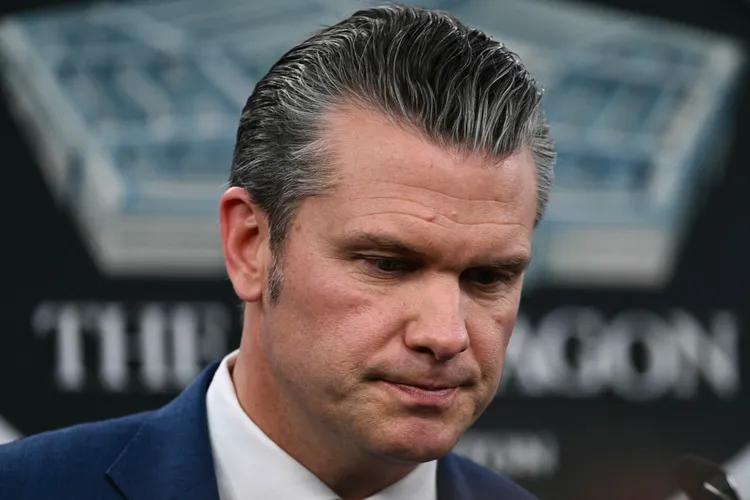
The restrictions, first reported by The Washington Post on Wednesday, mark a significant shift in transparency at the Pentagon. The move follows a March 2 briefing—held shortly after the joint U.S.-Israeli strike that killed Iranian Supreme Leader Ayatollah Ali Khamenei—where photographers from the Associated Press, Reuters, and Getty Images captured widely circulated images of Hegseth and Gen. Dan Caine, Chairman of the Joint Chiefs of Staff.
:max_bytes(150000):strip_icc():focal(1397x382:1399x384):format(webp)/Pete-Hegseth-press-conference2-31126-e3a31c4ebb2148efae8a7f2e78fa207e.jpg)
A New Standard for Visual Control
Sources familiar with the decision indicate that Hegseth’s aides expressed dissatisfaction with the Secretary’s appearance in the licensed photographs. Consequently, independent photographers were barred from subsequent briefings on March 4 and March 10.
In their place, the Pentagon has moved to a “state-only” visual model, permitting only Department of Defense staff photographers to document the proceedings. While the Pentagon claims these images are released immediately for public use, the practice allows the administration to curate the Secretary’s visual narrative, bypassing the independent lens of the free press.
The Pentagon’s Defense
Pentagon Press Secretary Kingsley Wilson denied the allegations of image-based censorship, characterizing the move as a logistical necessity.
“In order to use space in the Pentagon Briefing Room effectively, we are allowing one representative per news outlet if uncredentialed, excluding pool,” Wilson stated. “If that [the release of department photos] hurts the business model for certain news outlets, then they should consider applying for a Pentagon press credential.”
However, this justification arrives amidst a broader pattern of media hostility. Since taking office, Hegseth—a former Fox News host—has frequently castigated mainstream media, accusing outlets of partisan bias against the current administration.
Judicial Scrutiny and Media Exodus
The visual blackout is the latest in a series of restrictive policies that have fundamentally altered the relationship between the military and the media. On October 15, 2025, a significant number of veteran reporters surrendered their credentials in protest of new reporting limits dictated by Hegseth’s office.
The legality of these restrictions is now under review. During oral arguments on Friday, a federal judge expressed skepticism regarding the Department’s new media policies in a lawsuit filed by The New York Times. The court’s eventual ruling could determine whether the Pentagon has the authority to dictate the terms of engagement for journalists covering matters of national security.