
The United States and Saudi Arabia have finalized a multibillion-dollar civilian nuclear energy agreement that both sides are calling historic.
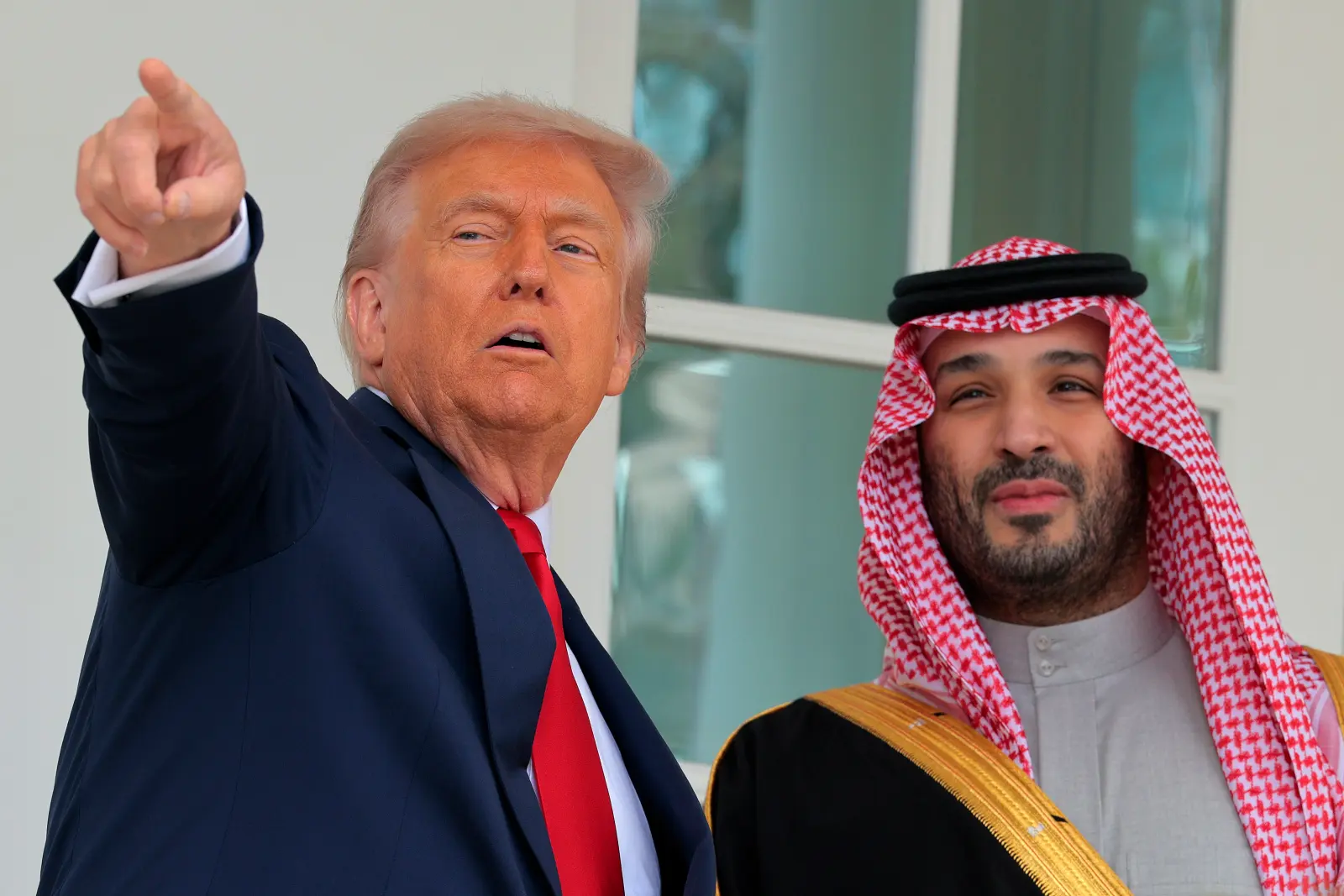
The deal was confirmed during Saudi Crown Prince Mohammed bin Salman’s visit to the White House on Wednesday—his first trip to Washington, D.C., in seven years—where he met with U.S. President Donald Trump.
“Today is a historic day for the United States and the Kingdom of Saudi Arabia,” U.S. Energy Secretary Chris Wright said in a statement announcing the Joint Declaration on the Completion of Negotiations on Civil Nuclear Cooperation.
Why It Matters
The agreement underscores Washington’s intent to tighten strategic ties with key Gulf partners and reinforce its influence in the Middle East amid competition from Iran, Russia, and China. It also aims to reduce U.S. reliance on Russian-enriched uranium for global nuclear supply chains.
The pact is the latest in a series of major commitments Trump has extended to Riyadh during this visit. Those include naming Saudi Arabia a major non-NATO ally on Tuesday and approving a planned sale of F-35 fighter jets.
Trump said Saudi Arabia would make at least $600 billion in U.S. investments. The crown prince responded that figure could rise to $1 trillion.
What To Know
According to the White House, the agreement establishes the legal foundation for a decades-long nuclear partnership. It positions U.S. firms as Saudi Arabia’s preferred partners in developing civil nuclear projects and binds both countries to strict nonproliferation standards.
Wright had first indicated progress in April during a regional visit that included stops in Saudi Arabia. Negotiations originally began under the first Trump administration in 2018, following years of stalled talks centered on nonproliferation guarantees.
At the time, U.S. lawmakers warned that if Washington failed to reach an agreement, Riyadh could turn to China or Russia—potentially weakening American leverage in the region. Some also raised concerns that Saudi Arabia might seek nuclear weapons if it believed Iran was nearing a similar capability.
Saudi Arabia has long planned to launch a civilian nuclear energy sector as part of its Vision 2030 agenda. The kingdom says nuclear power would help diversify its energy mix, cut dependence on fossil fuels, and support long-term economic development. It currently has no nuclear power plants.
The crown prince also offered to help mediate between the U.S. and Iran in hopes of reviving a nuclear deal, following heightened tensions after U.S. strikes on Iranian nuclear facilities in June. During a joint press conference, Trump said, “I think we’ve done a great job in wiping out the nuclear capacity of Iran,” as the crown prince looked on.
What People Are Saying
Energy Secretary Chris Wright said: “We’ve come together on a deal for civil nuclear cooperation. Together, with bilateral safeguard agreements, we want to grow our partnership, bring American nuclear technology to Saudi Arabia and keep a firm commitment to nonproliferation…. This philosophy, this partnership, has transformed the Middle East into a region focused now on commerce, not conflict.”
Crown Prince Mohammed bin Salman said Tuesday: “Today is a very important time in our history because there’s a lot of things that we’re working on for the future.”
What Happens Next
The agreement is expected to be the opening move in a wider push to deepen U.S.–Saudi civil nuclear cooperation. If Saudi Arabia proceeds with a full civilian nuclear program, it could reshape the regional balance of power and intensify scrutiny over how nuclear technology is managed across the Gulf.