
A federal judge in New Hampshire has blocked the enforcement of President Donald Trump’s executive order ending birthright citizenship for children born to parents living in the U.S. illegally or on temporary visas.
Judge Joseph LaPlante issued a preliminary injunction Thursday, halting the order nationwide and certifying a class action lawsuit that includes all children who would be impacted. His decision followed a one-hour hearing and includes a seven-day stay to allow for an appeal.
“That’s irreparable harm—citizenship alone,” LaPlante said from the bench. “It is the greatest privilege that exists in the world.”
Case Could Return to Supreme Court
The ruling sets the stage for a potential Supreme Court battle, particularly in light of the Court’s recent opinion limiting district judges’ power to issue nationwide injunctions. However, the justices left room for nationwide impact via class actions, which LaPlante cited as his legal basis.
While the approved class is narrower than the plaintiffs originally requested—excluding parents—plaintiffs’ attorneys said the distinction is unlikely to change the outcome.
“This is going to protect every single child around the country from this lawless, unconstitutional and cruel executive order,” said Cody Wofsy, a lawyer with the ACLU, which is representing the plaintiffs.
Legal Challenge Cites 14th Amendment
The lawsuit was filed on behalf of a pregnant woman, two parents, and their U.S.-born infants. At the heart of the case is the 14th Amendment, which states:
“All persons born or naturalized in the United States and subject to the jurisdiction thereof, are citizens of the United States.”
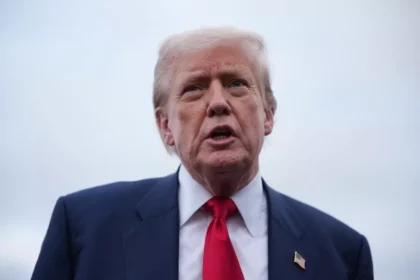
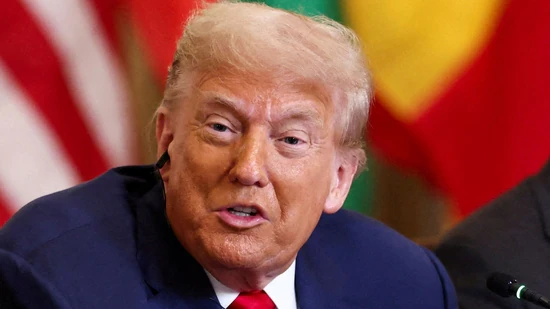
Trump’s executive order, issued in January, argues that children born to undocumented or temporary immigrants are not fully “subject to the jurisdiction” of the U.S., and therefore are not entitled to citizenship. Administration lawyers said prior interpretations of the amendment had created a “perverse incentive for illegal immigration.”
Judge LaPlante rejected that argument, saying the government’s legal position wasn’t frivolous but ultimately lacked merit. “It was not a close call,” he said.
White House Pushes Back
White House spokesman Harrison Fields blasted the ruling and accused the judge—a George W. Bush appointee—of misusing class action procedures.
“The Trump Administration will be fighting vigorously against the attempts of these rogue district court judges to impede the policies President Trump was elected to implement,” Fields said.
During the hearing, Deputy Assistant Attorney General Eric Hamilton argued that any injunction should be limited to New Hampshire and criticized the court for acting before the executive order had taken full effect.
Plaintiffs Share Fears of Family Separation
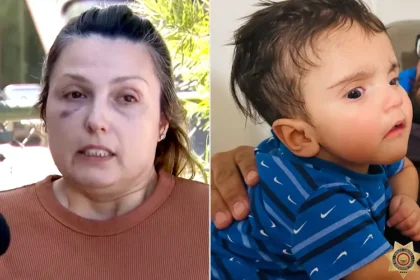
The anonymous plaintiffs include a Honduran asylum-seeker due to give birth to her fourth child in October. She told the court her family fled gang violence and now fears deportation and family separation.
“I do not want my child to live in fear and hiding,” she wrote in a statement. “I fear our family could be at risk of separation.”
Another plaintiff, a man from Brazil, lives in Florida with his wife and newborn. They are applying for permanent residency through a family sponsorship.
“My baby has the right to citizenship and a future in the United States,” he wrote.
Legal Battles Continue Nationwide
Similar challenges to Trump’s order are underway in other states, including Maryland and Washington. Despite Thursday’s ruling, advocates are urging calm.
“No one has to move states right this instant,” said Ama Frimpong, legal director at CASA, an immigrant rights group. “We’re all fighting through multiple legal avenues to ensure this executive order never sees the light of day.”
For now, the constitutional right to birthright citizenship remains intact—but the political and legal fight over who gets to be American is far from over.