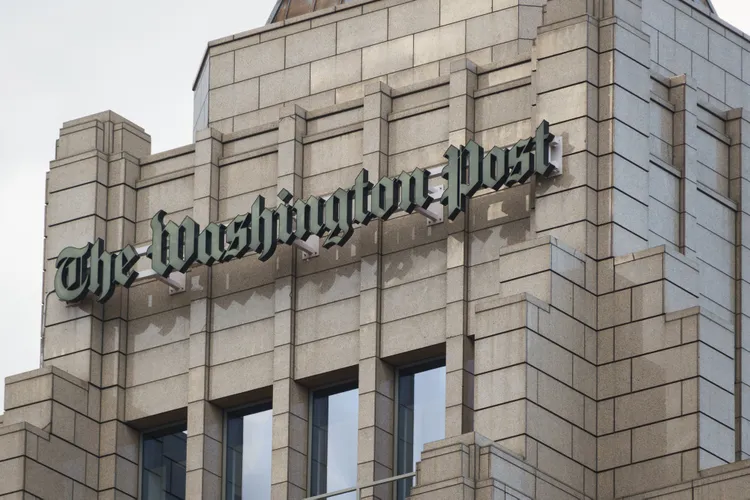

Federal agents searched the Virginia home of Washington Post reporter Hannah Natanson on Wednesday, Jan. 14, and seized multiple devices — including two laptops (one personal and one issued by the newspaper), her phone and a Garmin watch, The Washington Post reported.
The search was tied to an investigation involving government contractor Aurelio Perez-Lugones, who is accused of illegally possessing classified government materials. Investigators told Natanson she is not the target of the probe, according to The Washington Post.
Attorney General Pam Bondi, in a post on X, alleged that Natanson “was obtaining and reporting classified and illegally leaked information from a Pentagon contractor.”
Perez-Lugones, a system administrator who worked in Maryland, is accused of accessing classified intelligence reports and taking them home. An FBI affidavit said the documents were discovered in his lunchbox and in the basement of his residence.
He was charged last week with illegally retaining classified documents. Perez-Lugones has not been formally accused of leaking the materials he allegedly took.
Bondi did not identify anyone by name in her statement, but said, “The leaker is currently behind bars.”
She added, “The Trump Administration will not tolerate illegal leaks of classified information that, when reported, pose a grave risk to our Nation’s national security and the brave men and women who are serving our country.”
The Washington Post reported that Natanson, who covers the federal workforce, has not been accused of wrongdoing.
CNN described the search of a reporter’s home as “highly unusual.” Jameel Jaffer, executive director of the Knight First Amendment Institute, told CNN, “Searches of newsrooms and journalists are hallmarks of illiberal regimes, and we must ensure that these practices are not normalized here.”
Two Post employees, speaking anonymously to CNN, said the raid rattled staff.
“We’re all scrambling to figure out what additional precautions we need to take,” one employee said.
Another added, “We’re horrified for Hannah, who’s a wonderful reporter, and scared for ourselves, trying to think through how best to further protect sources and secure our reporting and devices.”
:max_bytes(150000):strip_icc():focal(999x0:1001x2):format(webp)/pam-bondi-confirmation-hearing-011525-8b4b59d6e383490380d76cd29f6ec1c5.jpg)
In its coverage, The Washington Post also noted that while the FBI has investigated reporters who publish sensitive government information in the past, a search of a journalist’s home is out of the ordinary.
Bondi also recently rolled back a policy from former President Joe Biden’s administration that restricted the government from searching reporters’ phone records as part of leak investigations.
“This conduct is illegal and wrong and it must stop,” she wrote in an internal memo at the time, according to the Post.
Last month, Natanson published a first-person account describing her year receiving a flood of tips from federal employees as President Donald Trump and the Department of Government Efficiency (DOGE) carried out large-scale efforts to shrink the workforce.
In the article, she said she was inundated with messages — including from workers who said they were suicidal — and that many shared concerns about what was happening inside their agencies. Natanson wrote that she ultimately connected with 1,169 sources.