
More than 200 House Democrats voted against a bill that would restrict Medicaid dollars from covering certain gender-related medical treatments for minors.
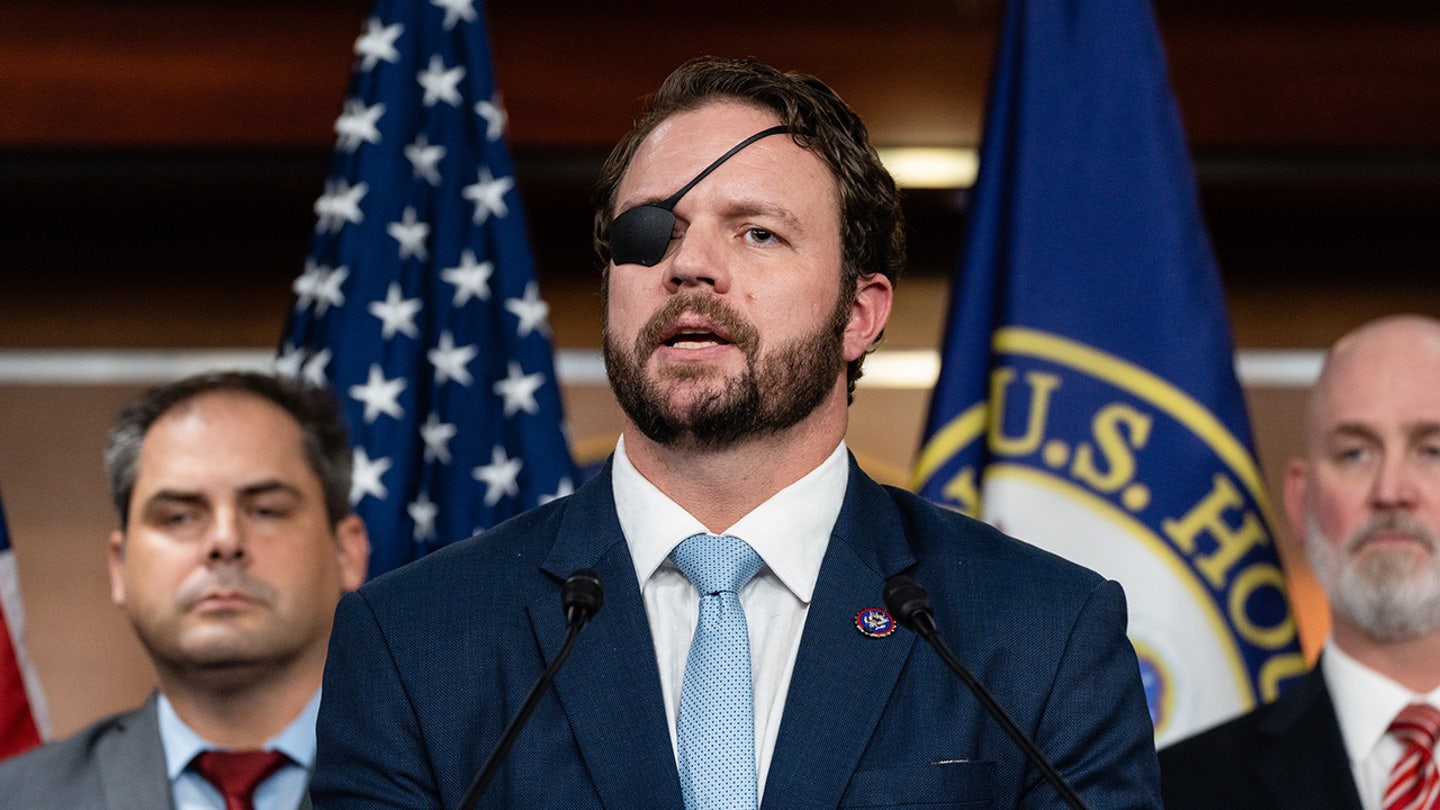
The Do No Harm in Medicaid Act, introduced by Rep. Dan Crenshaw, R-Texas, came up for a vote Thursday afternoon with unified Republican support. The measure passed 215-201, with all “no” votes coming from Democrats. All Republicans who voted backed the bill.
Four Democrats voted in favor: Reps. Henry Cuellar of Texas, Vicente Gonzalez of Texas, Don Davis of North Carolina, and Marie Gluesenkamp Perez of Washington.
Transgender healthcare policy—particularly for minors—has increasingly exposed divisions within the Democratic Party, with moderates and progressives taking sharply different approaches.
According to the bill’s text, the legislation would bar federal reimbursement through Medicaid for certain gender-related surgeries performed on minors, along with treatments such as hormone therapies. It could also restrict Medicaid funding to states that permit federal dollars to be used for transgender medical treatments for minors.
The bill includes exceptions, including for puberty blockers prescribed for cases of precocious puberty and for gender-related surgeries tied to injury, illness, or situations involving the potential death of a child, among other circumstances.
During debate, House Energy & Commerce Committee Chairman Brett Guthrie, R-Ky., said the bill would save $445 million over a decade for the Medicaid program. He argued it would not block medically necessary care, saying it “simply prohibits the use of Medicaid funding on specified procedures that are medically unnecessary.”
Crenshaw, speaking on the House floor, sharply criticized the medical and cultural forces he says are driving the issue. “I’m not sure my colleagues even believe what they’re saying,” he said. “Today’s great sin in medicine is perhaps one of the worst that we’ve seen in human history — a sick, twisted ideology parroted by social media, fueling social confusion.”
Democrats countered that the measure would interfere with healthcare decisions and harm vulnerable patients. Rep. Frank Pallone, D-N.J., called it an “extreme attack on medically necessary treatment for children.”
“This is Congress seeking to ban healthcare for the most vulnerable among us,” Rep. Mark Takano, D-Calif., said. He added that decisions about care for transgender youth should be made “in consultation with their parents, therapists and doctors, not politicians,” and argued the bill would allow similar treatments for non-transgender minors while restricting them for transgender patients.