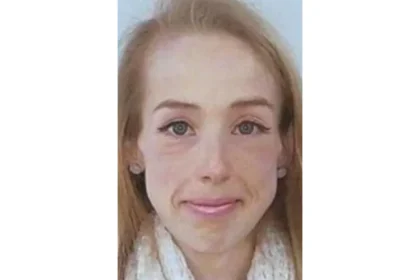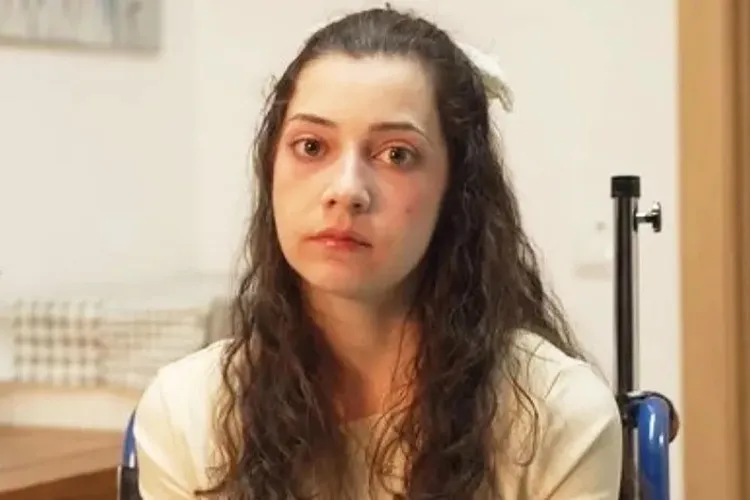

Noelia Castillo Ramos, the 25-year-old woman at the center of a protracted legal battle over the right to die, ended her life via voluntary euthanasia on Thursday, March 26.
Her death follows a landmark ruling by Spain’s Constitutional Court in February 2026, which cleared the final legal hurdle in a case that drew international scrutiny regarding mental health and the limits of state-sanctioned assisted dying.
Ramos’ death marks the conclusion of a year-long judicial standoff. In February, Spain’s highest court rejected an appeal from her father, who sought to block the procedure. Supported by the conservative advocacy group Abogados Cristianos (Christian Lawyers), her father argued that Ramos’ psychiatric conditions—including depression, obsessive-compulsive disorder (OCD), and borderline personality disorder (BPD)—impaired her ability to provide informed consent.
The Constitutional Court dismissed these claims, finding “no violation of fundamental rights.” The ruling upheld prior decisions from lower courts, which determined Ramos met the legal criteria for “unbearable suffering” under Spanish law.
:max_bytes(150000):strip_icc():focal(398x0:400x2):format(webp)/noelia-castillo-ramos-tiktok-032726-c44bd2c4f72545ba8bfd814b3e92e50d.jpg)
Ramos’ request for euthanasia was rooted in a history of severe trauma. While residing in a state-supervised facility for vulnerable youth, Ramos reported being raped. The subsequent trauma led to a 2022 suicide attempt in which she jumped from a fifth-floor window. Though she survived, the fall left her paralyzed from the waist down and suffering from permanent chronic pain.
In July 2024, a specialized medical commission unanimously approved her application for assisted death. “I want to finish with dignity once and for all,” Ramos testified before a judge in March 2025, pleading for the right to end her life.
In her final days, Ramos maintained that her decision was clear. “I just want to leave in peace now and stop suffering,” she told Antena 3. She chose to die alone, citing her family’s inability to reconcile with her decision.
Spain legalized voluntary euthanasia and assisted death in March 2021, becoming one of the few nations to allow the practice for residents with “serious and incurable” diseases. The law requires that the patient be an adult, provide informed consent, and suffer from “unbearable” physical or psychological pain.
The Ramos case has set a significant precedent in the European Union, specifically regarding the eligibility of patients with complex mental health profiles and physical disabilities resulting from prior self-harm.
Critics of the ruling argue the state failed in its “obligation to protect the most vulnerable,” while proponents suggest the decision affirms individual autonomy and the right to dignity in the face of incurable suffering.