Secretary of State Marco Rubio has denied visas to Palestinian leaders who planned to attend next month’s United Nations General Assembly, citing longstanding U.S. law that bars recognition of Palestinian statehood and sanctions the Palestinian Authority for so-called “pay for slay” payments to terrorists.
Internal documents obtained by Fox News reveal that Rubio approved recommendations to block visas for senior officials of the Palestinian Authority (PA) and the Palestine Liberation Organization (PLO), including PA President Mahmoud Abbas.
“In compliance with the laws and national security interests of the United States, Secretary of State Marco Rubio is denying and revoking visas from members of the Palestine Liberation Organization (PLO) and the Palestinian Authority (PA) ahead of the upcoming UN General Assembly,” State Department spokesperson Tommy Pigott said in a statement.
“Before they can be taken seriously as partners for peace, the PA and PLO must repudiate terrorism, lawfare campaigns at the ICC and ICJ, and the pursuit of unilateral recognition of statehood. The PA Mission to the UN will receive waivers per the UN Headquarters agreement. The United States remains open to re-engagement should the PA/PLO demonstrably take concrete steps to return to constructive engagement. The Trump Administration does not reward terrorism.”
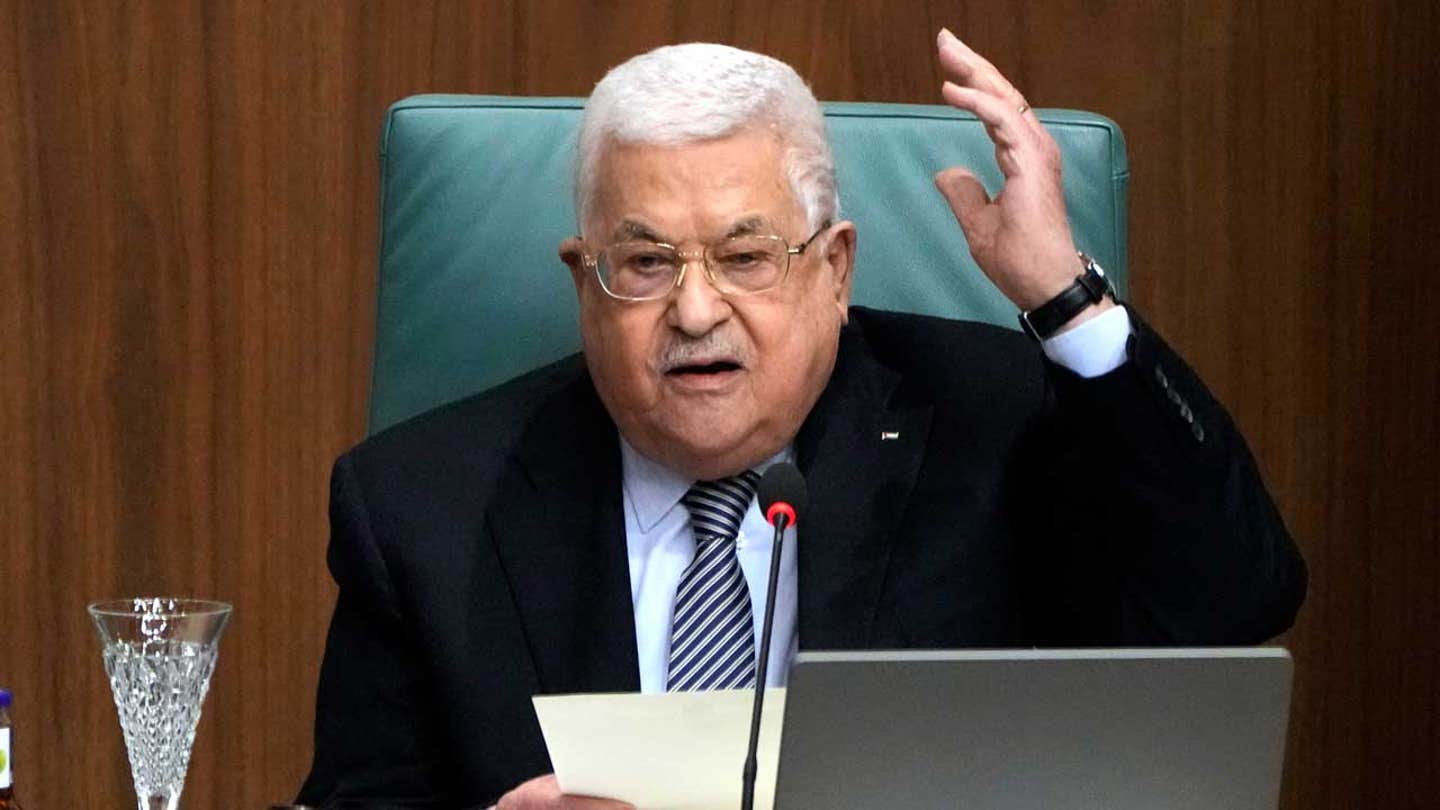
The decision prevents Palestinian leaders from addressing the annual U.N. gathering in New York, a forum they have historically used to push for unilateral recognition of statehood.
The visa restrictions are based on findings under the Palestinian Liberation Organization Commitments Compliance Act (PLOCCA) and the Middle East Peace Commitments Act (MEPCA), which concluded that the PA and PLO were out of compliance with U.S. commitments due to “unilaterally declaring Palestinian statehood; glorifying violence; promoting antisemitism; and providing material support to terrorists.” The sanctions require automatic visa denials for at least 180 days.
While the U.S. has previously denied visas on a case-by-case basis — including for members of the Iranian delegation — officials acknowledged that Washington has never before blocked an entire delegation from attending the U.N. General Assembly. Documents justify the unprecedented move by citing Palestinian plans to use the September session to advance a “constitutional declaration” of independence, which the U.S. views as a propaganda win for Hamas and a threat to ceasefire talks in Gaza.
The recommendations include rejecting visa applications from Palestinian officials, declining a waiver for Abbas, and revoking visas already issued before July 31 for PLO and PA members. Permanent staff and dependents at the Palestinian U.N. Observer Mission, however, would still be allowed under U.S. obligations to the U.N. Headquarters Agreement.
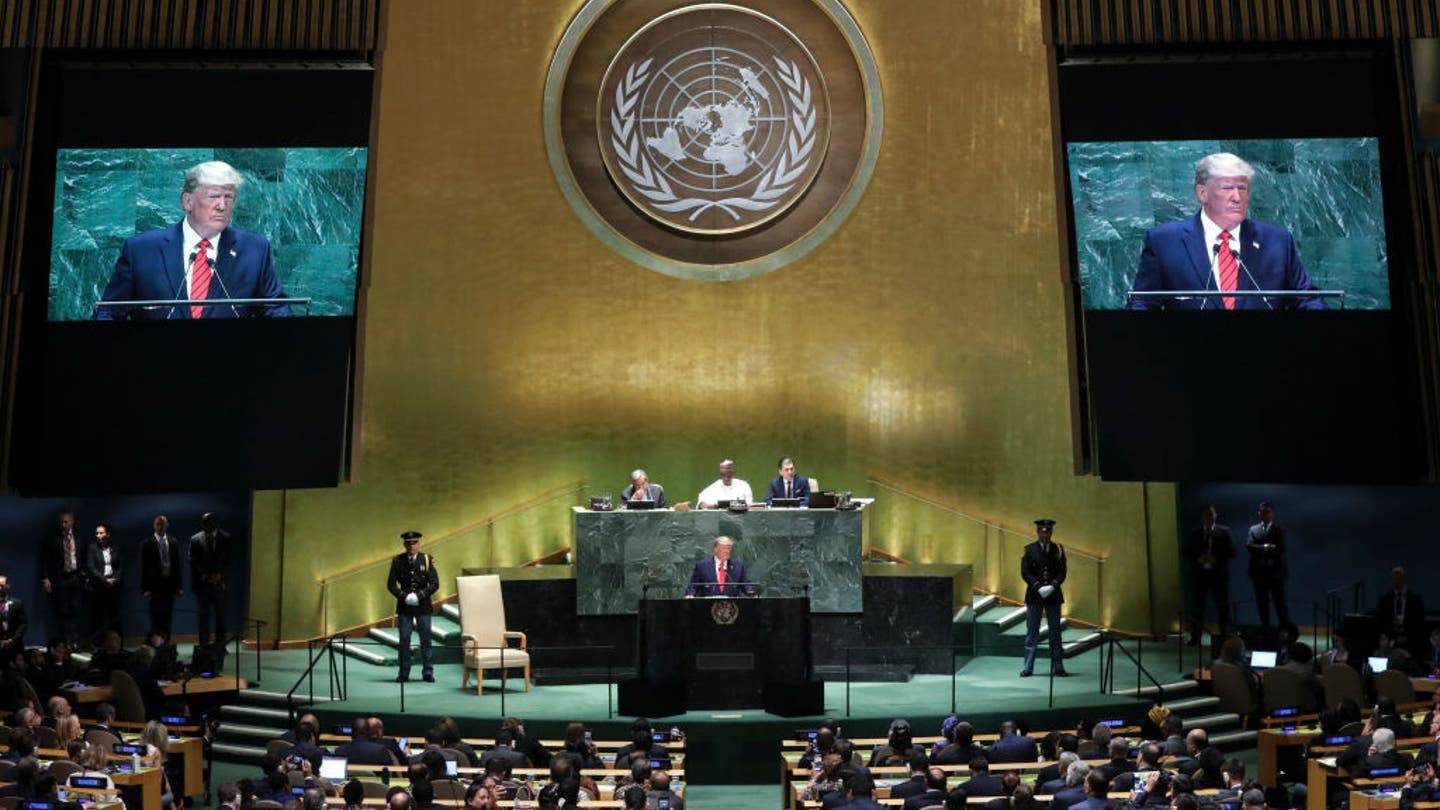
Officials noted that granting waivers “would undermine the credibility” of sanctions and encourage the PA to pursue unilateral recognition efforts. Enforcing the visa bans, by contrast, was described as a “low-cost, high-impact action” to reinforce U.S. policy.
Since 2012, Palestinian representatives have held non-member observer status at the U.N., which allows participation in debates but not voting. While the U.S. has pledged under the U.N. Headquarters Agreement not to obstruct travel for official U.N. business, documents argue that using the General Assembly to advance statehood recognition falls outside routine mission work and directly challenges U.S. national interests.
Rubio’s decision marks a historic departure from the U.S. practice of accommodating U.N. participation and is likely to spark clashes with international bodies and U.S. allies that continue to recognize Palestinian representatives.
The move continues decades of friction between Washington and the U.N. over Israel-related issues, particularly following the Hamas attack on October 7, 2023. The United States has used its Security Council veto dozens of times to block resolutions critical of Israel — more than any other permanent member has used its veto for a single ally.