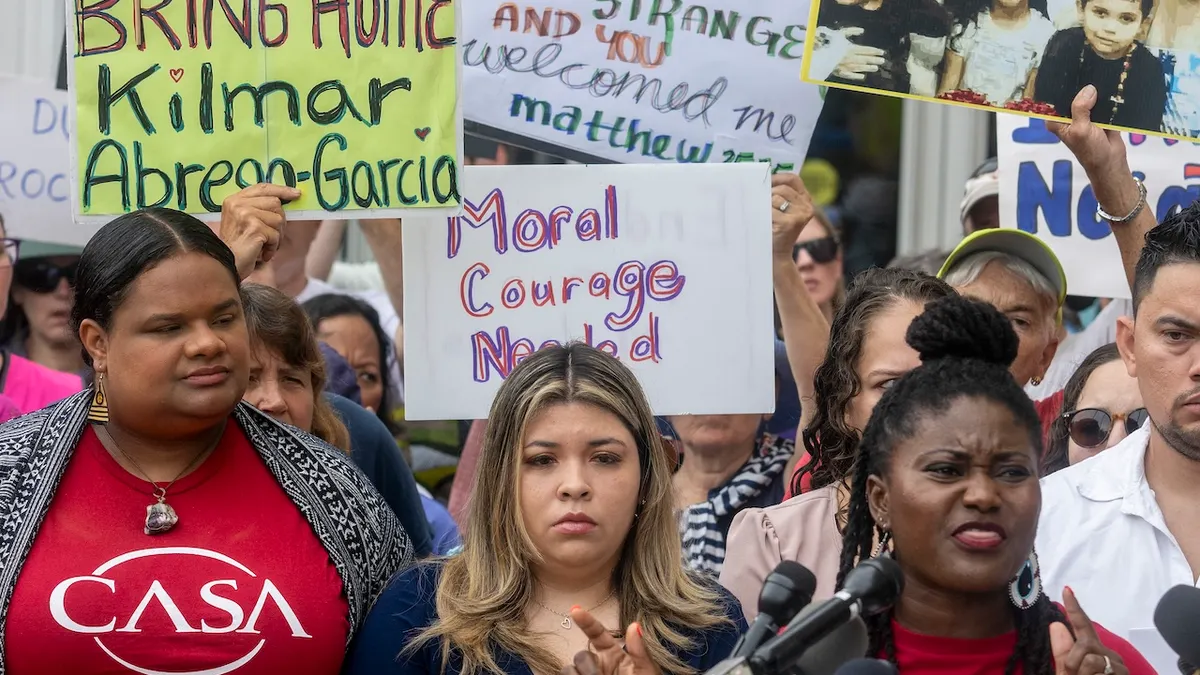

Lawyers for Kilmar Abrego Garcia have filed a new motion asking a federal judge in Nashville to dismiss his criminal case entirely, arguing that the Trump administration failed to provide key evidence and blocked witness testimony ahead of a two-day evidentiary hearing scheduled next week.
U.S. District Judge Waverly Crenshaw ordered the upcoming hearing to consider Abrego Garcia’s claim that his prosecution was both “vindictive” and selective. Earlier this month, Crenshaw ruled that Abrego Garcia had demonstrated a “realistic likelihood” of vindictiveness after the Justice Department initiated charges while he was detained in El Salvador earlier this year.
According to Thursday’s filing, once a judge finds such a likelihood, the government bears the burden of showing—with objective, on-record evidence—that its case was not retaliatory. Abrego Garcia’s attorneys contend the administration has failed to meet that burden, refusing to turn over discovery materials or permit key witnesses to testify. They argue the indictment should therefore be dismissed outright.
It remains unclear how or when Judge Crenshaw will rule on the motion or whether he might cancel next week’s hearing in light of the administration’s limited disclosures. A counsel-only conference is set for Friday afternoon, which could shed more light on the issue.
The motion comes as Abrego Garcia’s criminal and civil proceedings have become a flashpoint in the Trump administration’s broader immigration enforcement efforts. Justice Department lawyers told another federal judge in Maryland this week that they intend to deport Abrego Garcia to a third country—possibly Liberia—rather than allow him to remain in the U.S. for trial in Tennessee. Officials previously identified Uganda, Ghana, and Eswatini as potential destinations.
Judge Crenshaw has separately ordered a two-day evidentiary hearing for administration officials to rebut allegations of bias and to explain why the case was brought. A federal grand jury indicted Abrego Garcia in May on two counts related to immigrant smuggling following a 2022 traffic stop.
In the latest filing, the defense accuses the administration of disregarding earlier discovery orders and failing even to specify what documents will be provided. Lawyers for the government have asked Crenshaw to privately review certain materials before deciding what must be shared with the defense—another move the defense says justifies dismissal.
“Although the defense bears no burden at the evidentiary hearing while the presumption remains unrebutted,” the motion reads, “we are entitled to cross-examine the government’s witnesses, which requires the timely, pre-hearing production of documents.”
The filing also challenges the government’s efforts to quash subpoenas for two senior officials, including Deputy Attorney General Todd Blanche, who was mentioned multiple times in Crenshaw’s earlier ruling.
While dismissing a case for selective or vindictive prosecution is rare, the judge’s earlier finding has raised the stakes for both sides. To succeed, the defense must prove prosecutors acted with animus and targeted Abrego Garcia for that reason, while showing others in similar situations were not prosecuted.
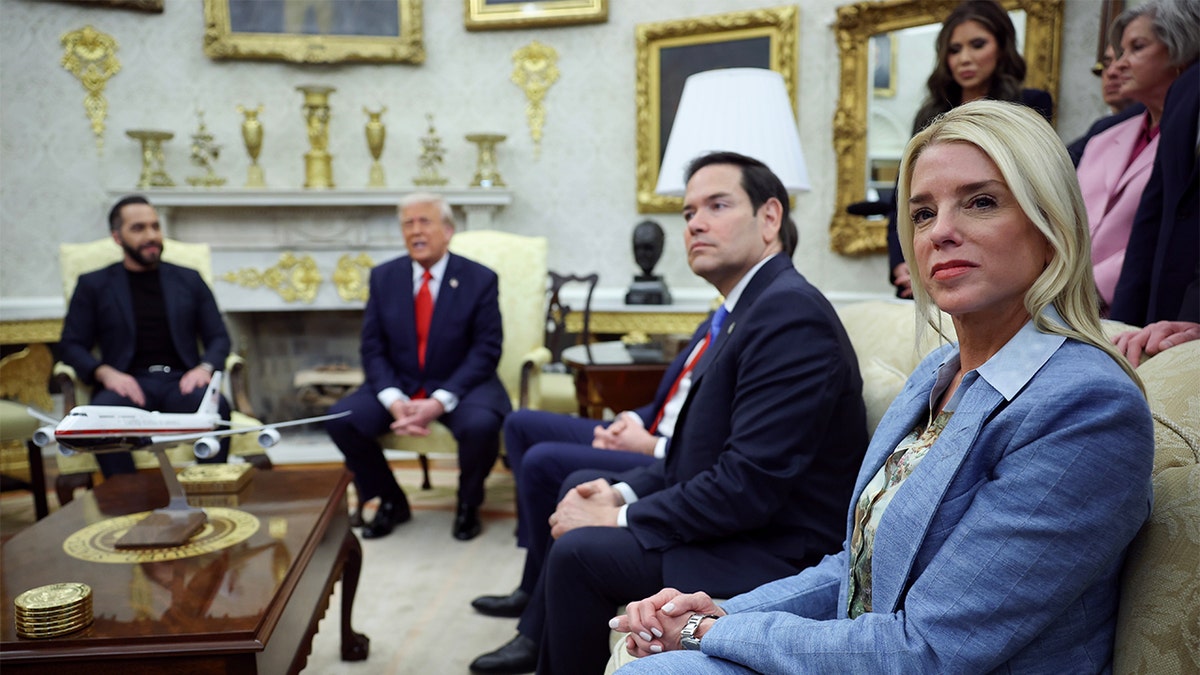
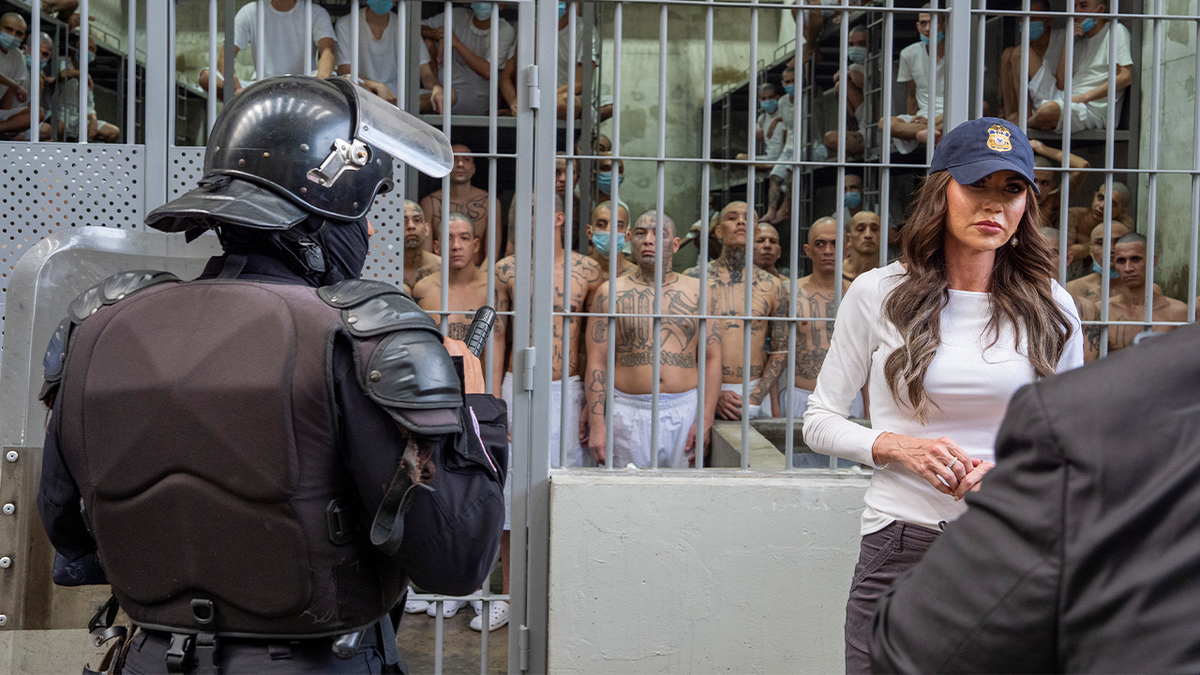
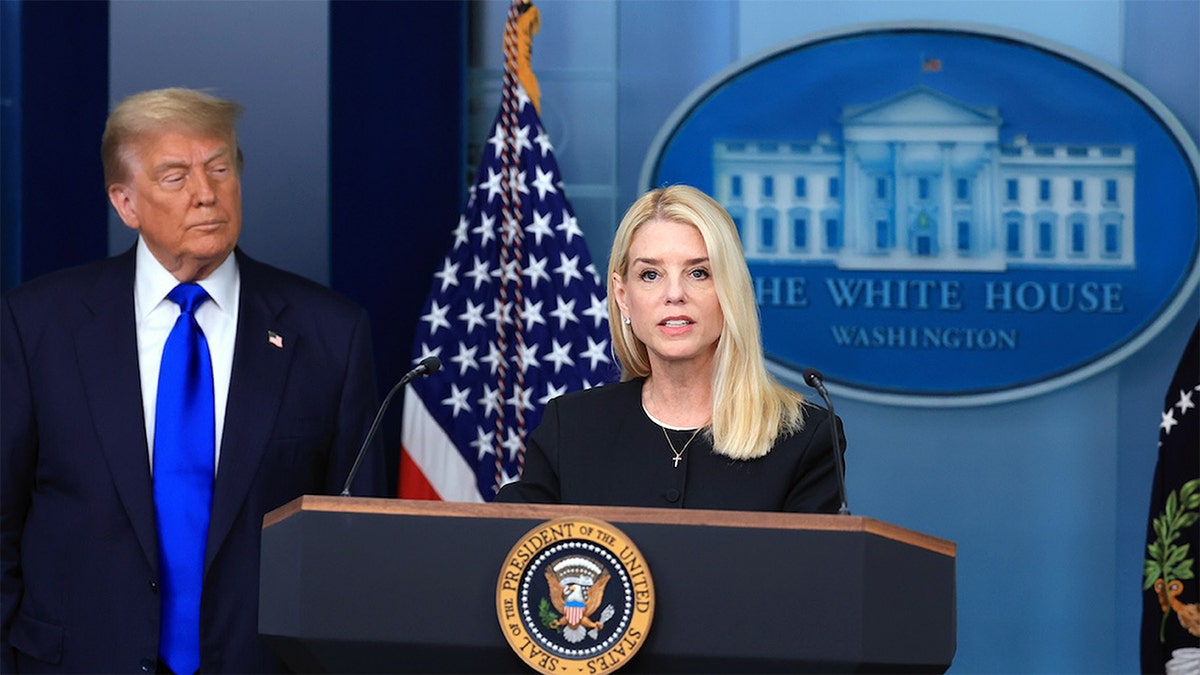
Judge Crenshaw recently ordered the Justice Department to provide communications detailing its decision to pursue charges against Abrego Garcia and what factors influenced that decision. He also reprimanded DHS Secretary Kristi Noem and Attorney General Pam Bondi for public remarks about the case, warning that further comments could violate court rules.
“Government employees have made extrajudicial statements that are troubling, especially where many of them are exaggerated if not simply inaccurate,” Crenshaw said Monday.