The court’s ruling clears the way for Trump’s executive order targeting birthright citizenship to take effect in 30 days, though it left some legal questions unresolved. Writing for the majority, Justice Amy Coney Barrett noted that lower courts may still impose limited injunctions in specific cases and invited them to consider whether broader blocks are warranted.
Democratic-run states — which manage birth records and often don’t document parental citizenship — are unlikely to enforce Trump’s new directive without a legal battle. With the court’s ruling allowing the policy to move forward in the short term, multiple lawsuits are expected to play out over how, and where, the order can be enforced.
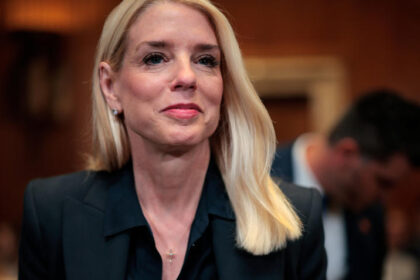
Trump praised the decision as a blow to what he called the “birthright citizenship hoax,” saying it would help stop the abuse of the U.S. immigration system. His Attorney General, Pam Bondi, announced that the Supreme Court is expected to formally take up the constitutionality of ending birthright citizenship during its October 2025 term.
A Win That Goes Beyond Immigration
While the ruling directly impacts the birthright citizenship case, its implications are much broader. By limiting the power of district judges to freeze presidential orders nationwide, the court has given current and future presidents more flexibility to implement policies without immediate nationwide pushback.
Trump and other presidents have long criticized lower court judges for blocking executive actions. During Trump’s first two terms, courts halted at least 25 key policy moves — including foreign aid cuts, changes to federal hiring rules, and attempts to revise immigration and election procedures.
Now, with Friday’s ruling, those types of decisions will face greater scrutiny before they can be blocked on a national scale.
“We can now properly file to proceed with policies that have been wrongly enjoined,” Trump said.
This shift in legal power isn’t just about Trump. The ruling sets a precedent for all future presidents — Republican or Democrat — giving them more time and space to carry out executive actions before courts can intervene fully.
What Happens Next
While presidents can still be challenged in court, the process will now move more slowly and may have to climb the legal ladder — from district courts to appeals courts and possibly the Supreme Court — before nationwide halts can be issued.
The justices urged lower courts to act swiftly to make sure their injunctions are narrow and in line with equity principles. But until higher courts step in, Trump and future leaders will have broader latitude to roll out sweeping changes — on immigration, the environment, labor rules, and more.
As the legal fight over birthright citizenship heads back to the lower courts, so does the battle over the boundaries of presidential power — now tilted more in the president’s favor than at any time in recent history.