
A newly unsealed court order reveals that senior Department of Justice (DOJ) officials, including Deputy Attorney General Todd Blanche, urged prosecutors to treat the case against Kilmar Abrego Garcia as a “top priority” only after he was mistakenly deported and later ordered returned to the United States.
U.S. District Judge Waverly Crenshaw said the records raise concerns that the DOJ’s decision to prosecute Abrego Garcia may have been “tainted by improper motivation” after he successfully challenged his deportation.
Abrego Garcia has pleaded not guilty to federal human smuggling charges in Tennessee, arguing the case is a vindictive response by the Trump administration following embarrassment over his wrongful removal from the country.
Crenshaw ordered the disclosure of internal government documents after finding evidence that the prosecution may have been retaliatory. The order, made public Tuesday, suggests the decision to indict Abrego Garcia involved senior DOJ leadership rather than a single local prosecutor.
Why It Matters
After acknowledging that an administrative error led to Abrego Garcia’s deportation in March, the Trump administration later argued he was a known criminal and that his removal was justified, even as it sought to avoid complying with court orders to return him to the U.S. He was brought back only after charges were filed in Tennessee. If the documents cited by Crenshaw are validated, the federal prosecution could be seriously undermined.
What to Know
The newly unsealed filing relates to the human trafficking case against Abrego Garcia, which is closely tied to his immigration proceedings. The Salvadoran national, who has lived in the U.S. for more than a decade, denies the charges.
Crenshaw directed the government to turn over a series of documents after expressing concern that the prosecution may have been initiated in response to the rushed and widely criticized deportation carried out without criminal charges in March.
The order, signed on December 3 but unsealed Tuesday, references documents already reviewed by the judge, including an email from Aakash Singh, a DOJ official in Blanche’s office. The email indicates that Abrego Garcia’s prosecution was considered a “top priority” for the deputy attorney general.
That message was dated April 30, 2025—about a month before Abrego Garcia was indicted. A follow-up email on May 15 stated that officials wanted him “charged sooner rather than later.”
The charges stem from a 2022 traffic stop in Tennessee, during which Abrego Garcia received only a warning and was released. He was charged three years later, in April 2025, after his deportation.
In total, Crenshaw said the court reviewed roughly 3,000 documents connected to the case and ordered a portion released to the defense. The materials, the judge noted, link the prosecution decision back to Blanche, suggesting Singh played a central role in advancing the case.
Abrego Garcia’s trafficking trial, originally scheduled for early next year, was canceled and replaced with a hearing on whether the prosecution was vindictive. Earlier this month, a judge in Maryland barred immigration authorities from detaining Abrego Garcia again while his case remains pending.
In a separate filing Tuesday, immigration officials said they do not intend to detain him again as long as the court order prohibiting such action remains in effect. That filing followed concerns raised by U.S. District Judge Paula Xinis, who questioned whether authorities could be trusted to comply with court orders blocking Abrego Garcia’s detention or removal.
What People Are Saying
Crenshaw wrote in his December 3 order that some documents suggest Tennessee federal prosecutor Robert McGuire “was not a solitary decision-maker” and that the decision to prosecute may have been a joint effort involving other DOJ officials who “may or may not have acted with an improper motivation.”
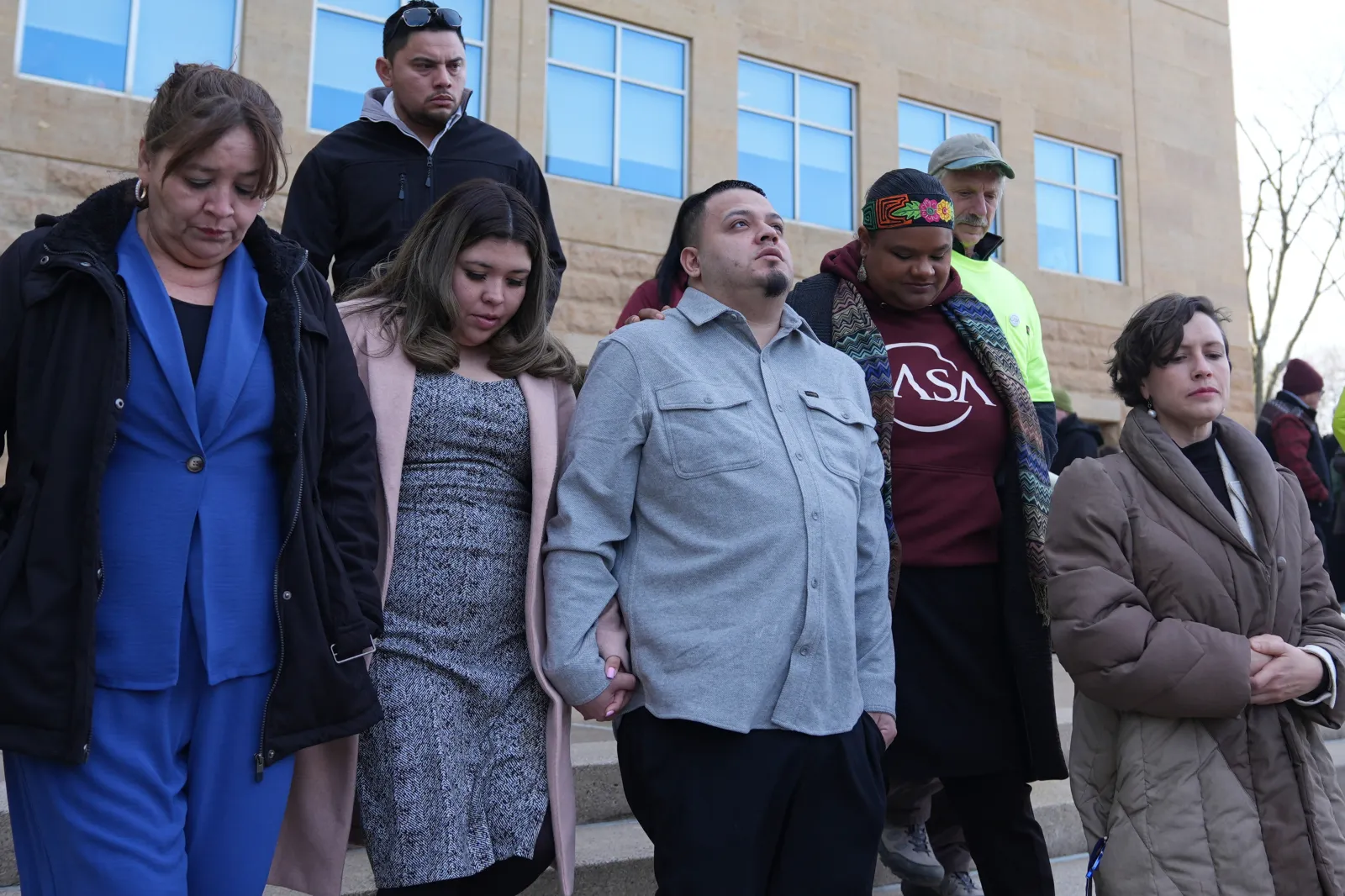
Abrego Garcia said through a translator earlier this month that he stands before the court “a free man,” expressing hope and vowing to continue fighting what he described as injustices committed against him.
Blanche said on October 4, after a Maryland judge questioned Abrego Garcia’s removal and ruled the government “had no right to deport him,” that his return to the U.S. was due to “an arrest warrant issued by a grand jury in the Middle District of Tennessee.”
What Happens Next
Abrego Garcia has applied for asylum, and that case is still pending. Judge Crenshaw is scheduled to hold a hearing in Tennessee on January 28 to address whether the trafficking prosecution was improperly motivated.