
The United States military officially commenced a maritime blockade of all Iranian ports at 14:00 GMT Monday, a move intended to cripple Tehran’s economic leverage after high-stakes negotiations in Pakistan failed to secure a permanent end to the conflict.
The operation, executed by U.S. Central Command (CENTCOM), encompasses the entirety of the Iranian coastline, including critical oil terminals and commercial hubs. While the U.S. maintains that the Strait of Hormuz remains open to international traffic, the blockade specifically targets any vessel attempting to enter or depart Iranian waters.
Escalation Following Failed Diplomacy
The shift to military interdiction follows the collapse of peace talks aimed at ending the war that began on February 28. Despite a current two-week truce, President Donald Trump cited Iran’s refusal to abandon its nuclear ambitions and its continued insistence on controlling the Strait of Hormuz as the primary reasons for the diplomatic breakdown.
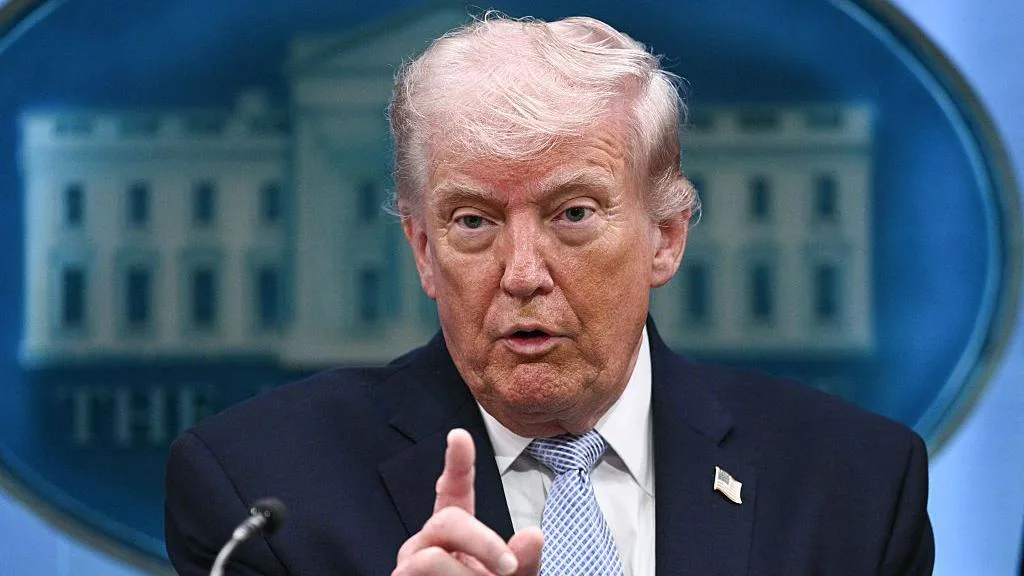
“We are blockading any and all ships trying to enter or leave,” Trump announced via social media. He further instructed the Navy to interdict vessels in international waters that have paid “illegal tolls” to the Iranian regime.
Operation Details and Humanitarian Scope
According to CENTCOM directives, the blockade applies to all vessel traffic regardless of flag. Key operational parameters include:
- Interdiction: Vessels attempting unauthorized entry or exit face interception, diversion, or capture.
- Mine Clearing: U.S. and allied mine-hunting systems will begin neutralizing Iranian-laid mines in the Strait.
- Exemptions: Humanitarian shipments—including food and medical supplies—will be permitted passage subject to U.S. inspection.
- Grace Period: Neutral vessels were granted a brief window to vacate Iranian ports prior to the 14:00 GMT deadline.
Global Alliances and Legal Friction
While the President claimed NATO support for “cleaning out” the Strait, the international coalition appears fragmented. UK Prime Minister Sir Keir Starmer confirmed that while British mine-hunting assets are in the region to ensure freedom of navigation, the United Kingdom will not participate in the U.S.-led blockade.
Legal experts have raised immediate concerns, suggesting the operation may breach international maritime law and jeopardize the fragile ceasefire currently in place.
Strategic Objectives
The blockade seeks to strip Tehran of the revenue generated by its “toll” system in the Strait of Hormuz, which the U.S. characterizes as extortion. By cutting off oil exports, Washington aims to force Iran back to the negotiating table under American terms.
However, market analysts warn of volatility. While shipping expert Lars Jensen suggests the blockade may only affect a “tiny trickle” of current traffic due to existing sanctions, the potential for military miscalculation remains high.
“Any Iranian who fires at us,” Trump warned, “will be dealt with immediately.”