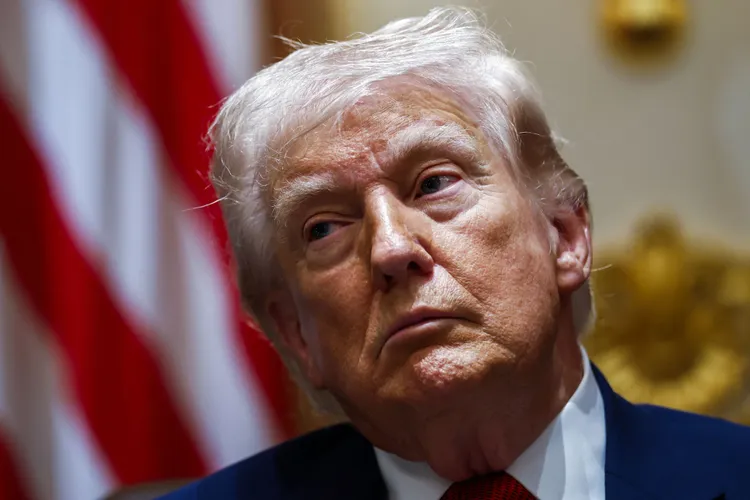

President Donald Trump faces a mounting geopolitical crisis following a weekend defined by the electoral defeat of his closest European ally, the collapse of high-stakes diplomatic talks with Iran, and a controversial order to blockade the Strait of Hormuz. These developments mark a sharp escalation in global tensions that critics warn could destabilize energy markets and solidify U.S. diplomatic isolation
In a stunning rebuke to the “illiberal democracy” model, Hungarian Prime Minister Viktor Orbán lost his 16-year hold on power in a landslide victory for the opposition. Peter Magyar and his Tisza party secured more than two-thirds of the parliamentary seats, campaigning on a platform of restoring democratic institutions and mending ties with the European Union.
The defeat serves as a direct blow to the Trump administration’s foreign policy. Both Trump and Vice President J.D. Vance had heavily endorsed Orbán, with Vance traveling to Budapest to champion him as a defender of traditional values. Orbán’s exit removes a primary obstacle to EU aid for Ukraine, potentially clearing the path for new sanctions against Moscow.
Simultaneously, the first direct peace negotiations between U.S. and Iranian leaders in nearly 50 years ended in failure in Islamabad. The U.S. delegation, led by Vance alongside Jared Kushner and Steve Witkoff, returned to Washington after a single day of talks.
Analysts point to a significant experience gap in the U.S. team, which lacked career diplomats and nuclear experts. While the administration demanded “zero enrichment,” Iranian negotiators refused to waive their rights under the Nuclear Non-Proliferation Treaty.
Following the collapse, Trump ordered a naval blockade of Iranian ports and the Strait of Hormuz. Under international law, a blockade constitutes an act of war, effectively terminating the April 8 ceasefire. Trump defended the move, stating the U.S. has already “defeated them militarily.”
The blockade has drawn sharp criticism from traditional allies. British Prime Minister Keir Starmer expressed public frustration over energy price volatility, writing in The Guardian that the “national interest is best served by de-escalation.”
Domestically, the administration faces internal pressure as U.S. consumer sentiment plummeted to a new low this weekend. The prospect of renewed conflict in the Middle East, coupled with the closure of a vital global shipping lane, has fueled fears of a prolonged economic downturn.
As the war enters a new, more volatile phase, the White House continues to prioritize military leverage over traditional diplomacy—a strategy that has yet to yield a definitive political victory.