
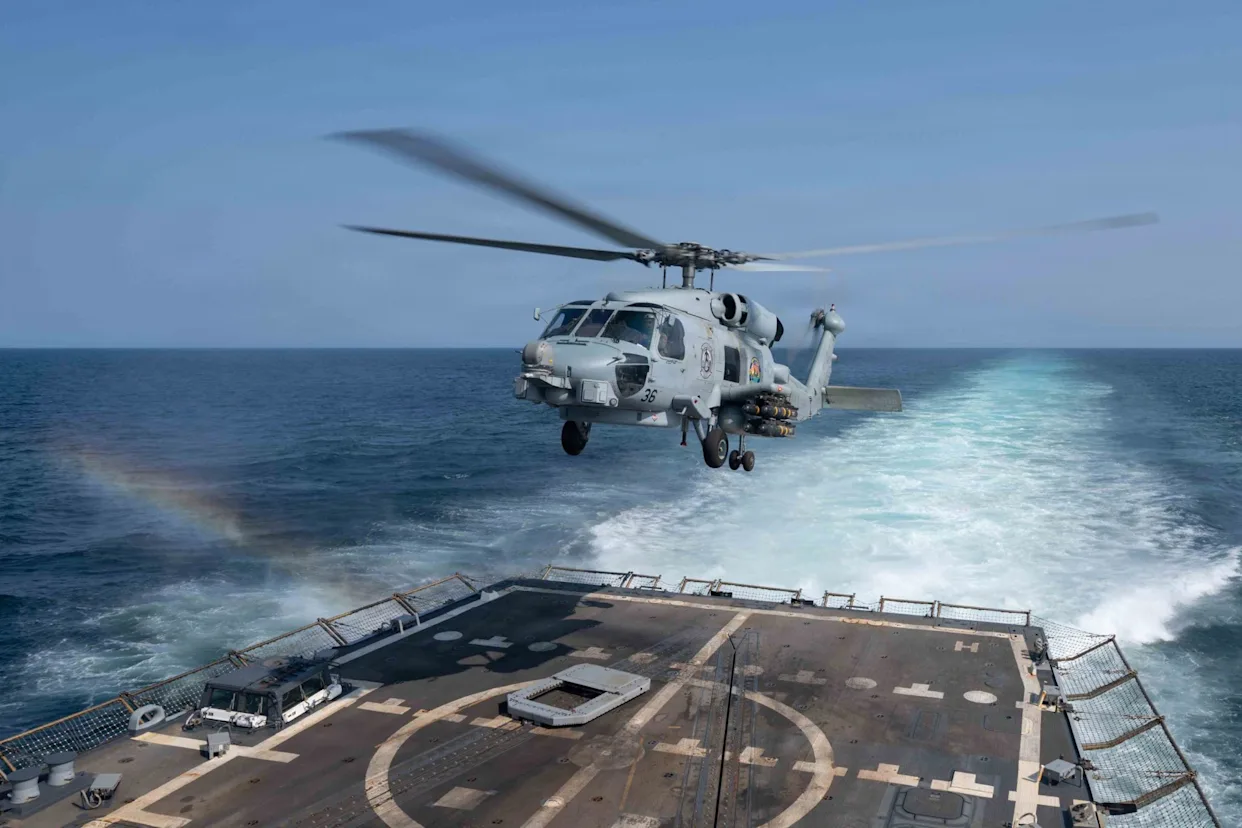

The United States Navy initiated a full-scale maritime blockade of Iranian ports Monday, a decisive move by the Trump administration to cripple Tehran’s oil revenue and force a return to the negotiating table. The escalation follows the total collapse of U.S.-Iran diplomatic talks in Pakistan over the weekend, effectively ending a fragile two-week ceasefire.
The blockade targets all vessels entering or departing Iranian terminals, aiming to dismantle the “money machine” fueling the regime’s military operations. This strategic pivot comes six weeks after the U.S. and Israel launched a concerted campaign against the Islamic Republic, a conflict that has already pushed the Iranian economy to the threshold of collapse.
The impact on Iran’s domestic stability is immediate. Reports from Tehran indicate the Iranian rial has plummeted 8% against the dollar on the black market since the conflict began, with basic commodity prices surging by 40%.
Robin Brooks, a senior fellow at the Brookings Institution, suggests the blockade is designed to trigger a “devaluation spiral.”
“As Iran’s oil exports collapse, there’ll be no cash for imports, so activity implodes… and hyperinflation ensues,” Brooks noted. He argues that this economic strangulation provides the necessary leverage to secure “good faith” negotiations from the regime.
Despite sustaining significant losses over the last month and a half, Tehran maintains a formidable arsenal of missiles and drones capable of disrupting the Strait of Hormuz. While Iran has attempted to keep the narrow waterway open exclusively for its own tankers, the U.S. blockade seeks to invert that control.
Miad Maleki, a senior fellow at the Foundation for Defense of Democracies and former Treasury official, estimates the blockade will inflict $435 million in daily economic damage on Iran, totaling roughly $13 billion per month.
Global energy markets signaled cautious volatility following the announcement. Brent crude futures surged 8% early Monday before paring gains to settle at $100.88, a 6% increase. While analysts warn that removing Iranian supply could push prices toward $120 a barrel, the broader market reaction remained relatively flat, with the S&P 500 and Nasdaq showing little movement.
Military analysts view the naval blockade as a calculated alternative to a large-scale ground invasion. By utilizing maritime superiority to seize control of the Strait, the U.S. avoids the risks associated with deploying ground troops while maintaining maximum pressure on the regime’s survival.
With Tehran facing an imminent cash vacuum and a domestic population grappling with hyperinflation, the Trump administration remains betted on the “maximum pressure” strategy to end the war on favorable terms.


