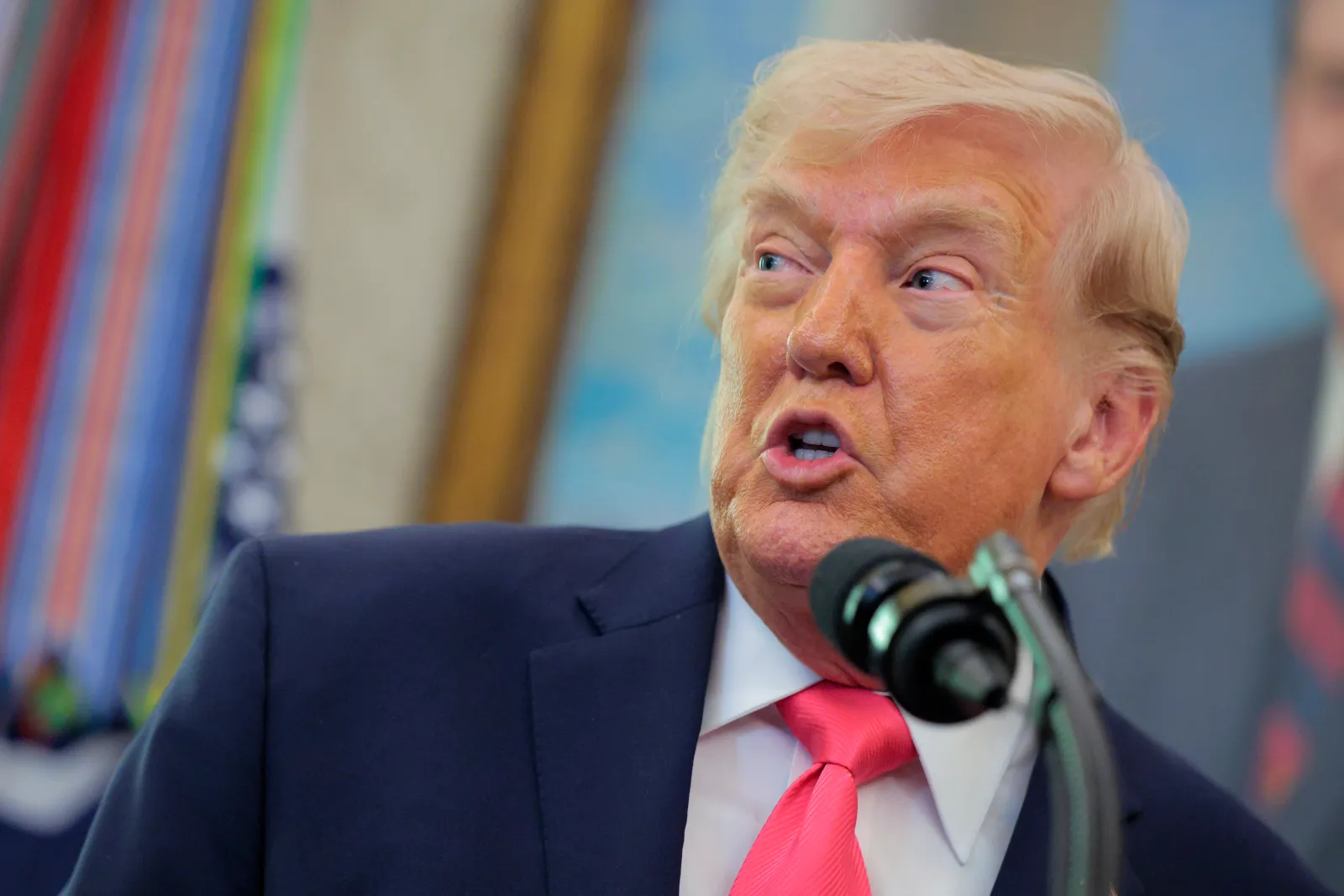

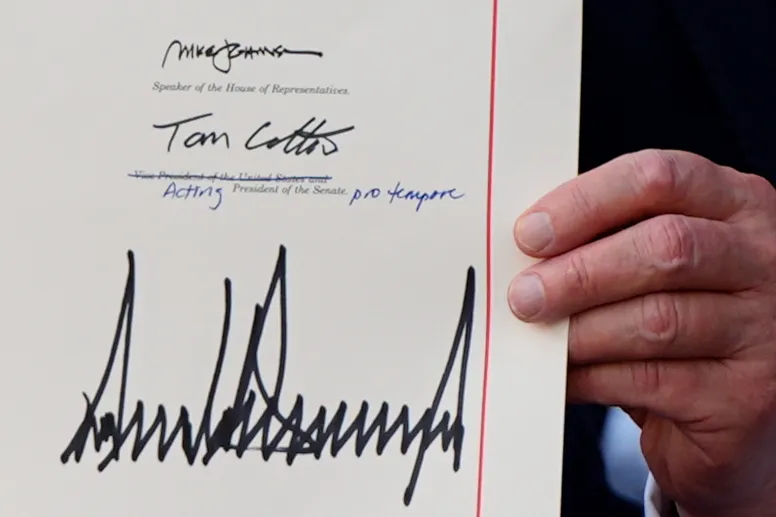
In a move that upends 165 years of fiscal tradition, President Donald Trump’s signature will appear on U.S. paper currency beginning this June. The Treasury Department confirmed the change as a centerpiece of the nation’s Semiquincentennial celebrations, marking the first time a sitting president’s name has graced legal tender since the mid-19th century.
The rollout will commence with the $100 bill, followed by other denominations in subsequent months. Traditionally, U.S. banknotes bear the signatures of the Treasurer and the Secretary of the Treasury. This shift bypasses that historical norm, positioning the President’s personal brand at the forefront of the American 250th-anniversary festivities.
Legal Maneuvers and Historical Context
While federal law strictly prohibits depicting living individuals on U.S. coinage—a restriction that recently stalled the administration’s efforts to mint a “Trump $1 coin”—the Treasury Department maintains broader discretionary power over the design of Federal Reserve notes.
Officials cited statutes allowing for design modifications to combat counterfeiting as the legal mechanism for the change. Despite the signature update, the currency must still adhere to existing mandates, including the inclusion of the phrase “In God We Trust” and the prohibition of living portraits.
A Broader Branding Initiative
The signature update is not an isolated event but part of a sweeping administration effort to link the Trump name to federal institutions and national landmarks ahead of July 4, 2026. Other high-profile initiatives include:
- Infrastructure Renaming: Proposals to rename the John F. Kennedy Center for the Performing Arts and major transit hubs like New York’s Penn Station.
- Military Expansion: The announcement of a new “Trump” class of naval warships.
- Commemorative Assets: The production of a 24-karat gold coin bearing the President’s likeness, approved earlier this month.
Official Justification
Treasury Secretary Scott Bessent defended the decision in a statement, framing the signature as a symbolic recognition of “unprecedented economic growth and fiscal strength.” Treasurer Brandon Beach echoed these sentiments, labeling the President the “architect of America’s Golden Age economic revival.”
Critics and historians note that the last time a sitting president’s name appeared on currency was during the Civil War era. As the 2026 anniversary approaches, the administration continues to blend national history with contemporary political branding, ensuring the President’s legacy is literally woven into the fabric of American commerce.