
Generative AI looks set to remain the defining focus for big tech in 2026, even as analysts and critics continue to warn the industry could be racing into an overhyped bubble.
Major players like Microsoft and Google have intensified their AI push, weaving the tech into products and services across their ecosystems. At the same time, users have raised privacy and safety concerns, and some have dismissed low-quality outputs as “AI slop.”
NVIDIA CEO Jensen Huang has argued that the “doom narrative” around AI can be counterproductive—discouraging investment that could help make systems safer. Microsoft CEO Satya Nadella has echoed similar optimism, suggesting society should move past blanket criticism and explore practical ways to benefit from the technology.
AI’s impact is already showing up in the job market. As tools become more capable, they’re increasingly automating repetitive work. Anthropic CEO Dario Amodei has warned that AI could cut deeply into entry-level white-collar roles within the next several years, potentially creating serious challenges for new graduates.
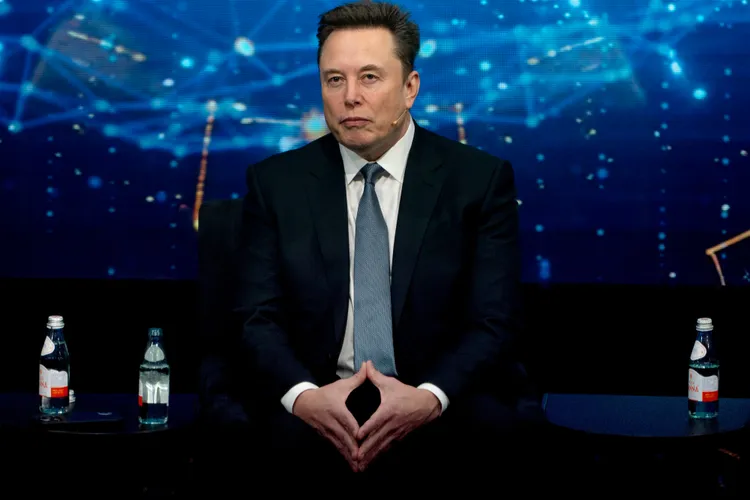
Elon Musk is now making similarly sweeping predictions about health care. The Tesla CEO recently suggested that going to medical school could be “pointless” within three years, arguing that AI systems—and even AI-driven robots—will dramatically outperform humans in key medical tasks (via unusual_whales on X).
“It takes a ridiculous long time to become a great doctor. In addition, medical knowledge is constantly evolving and constantly changing, making it difficult to catch up with everything.”
—Elon Musk
In a recent podcast conversation with Peter Diamandis, Musk went further, claiming that AI-powered robots such as Tesla’s Optimus could surpass human surgeons within that same three-year window. He added that “everyone will have access to medical care that is better than what the president receives right now.”
These remarks arrive as major AI labs continue expanding into health-related features. OpenAI has rolled out health and wellness experiences inside ChatGPT, while emphasizing that such tools are not intended to replace medical professionals for diagnosis or treatment. Anthropic has also introduced health care and life sciences capabilities in its Claude AI chatbot, including features that let users share medical records to better understand and ask questions about the information.