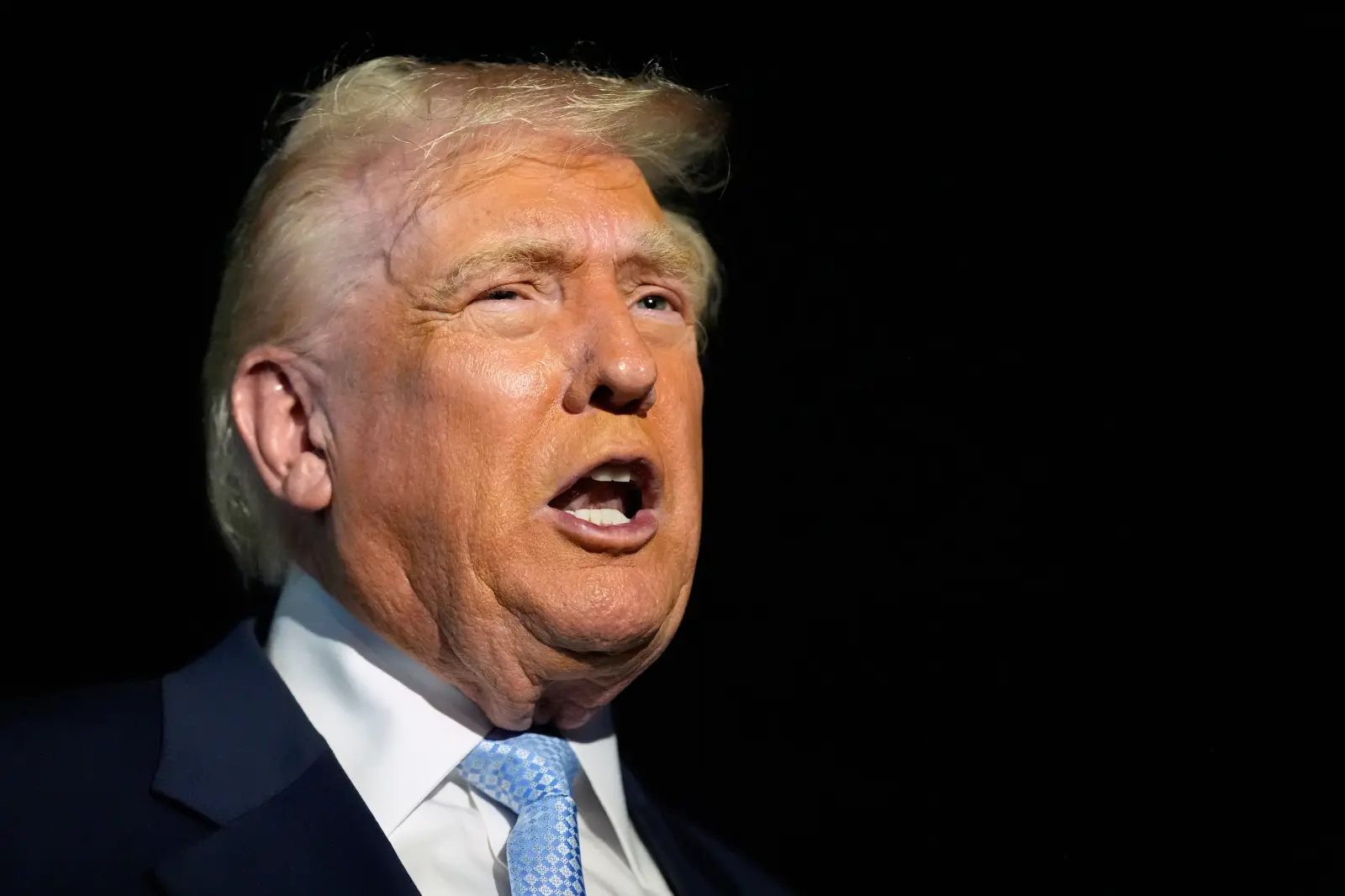

America’s middle class—once a central pillar of Donald Trump’s political strength—is showing signs of peeling away as anger over day-to-day expenses mounts, according to recent polling and economic indicators.
YouGov/Economist surveys from the past three months point to a steady decline in Trump’s standing with middle-income Americans. In September, this group was split at 44 percent approval and 54 percent disapproval (–10). By October, approval edged down to 42 percent while disapproval rose to 53 percent (–11). The most recent November results show a sharper drop: just 40 percent now approve of Trump’s performance, while 58 percent disapprove—a net slide of 18 points.
The erosion comes on the heels of a disruptive government shutdown and against a backdrop of persistent anxiety over food costs, housing, and winter energy bills.
Why It Matters
Middle–income voters have long been a highly contested but crucial bloc for Republicans. In the 2024 presidential election, Trump won 52 percent of the vote among those earning $50,000 to $100,000, compared with Kamala Harris’ 46 percent. That marked a shift from 2020, when this same income group tilted toward Joe Biden, who secured 54 percent to Trump’s 46 percent.
Now, fresh polling suggests that support from these middle-income earners may be slipping away from the Republican Party.
The shift is occurring as affordability concerns dominate the national conversation. New car prices have climbed above $50,000 on average, pushing what was once a routine purchase into near-luxury territory for many middle-class households.
At the same time, the New York Federal Reserve reports that overall household debt has climbed to $18.6 trillion, the highest level since it began tracking the data roughly two decades ago. Mortgages, auto loans, student loans, and credit card balances have all reached record highs, with revolving credit alone hitting $1.2 trillion after another sharp increase over the past year.
As borrowing costs rise and savings are depleted, more Americans are falling behind on what they owe. Serious delinquencies—borrowers who are at least 90 days late—have pushed past 3 percent, a level not seen since before the last financial crisis. Student loan borrowers are under even more pressure: more than 14 percent became severely overdue in the most recent quarter, the worst reading in the Fed’s data series.
Meanwhile, the price of essentials remains well above pre-pandemic norms. Inflation, though lower than it was earlier in Trump’s tenure, has proven stubborn.
Grocery bills remain elevated, rents have jumped in most large cities, and energy experts warn that winter heating costs could rise again this year. According to the U.S. Department of Agriculture’s Economic Research Service, food-at-home prices rose about 2.7 percent in the 12 months ending in September 2025.
This economic backdrop is shaping how middle-class voters judge Trump and the broader economy. The latest YouGov/Economist poll found that only 24 percent of middle-class respondents describe the economy as good or excellent, while 38 percent say it is poor and 52 percent believe conditions are getting worse.
Expectations for the future are similarly bleak: just 30 percent of middle-class voters think they will be better off a year from now.
“Most voters mostly want things to work. They want to be able to buy gas and groceries, take care of their families, and know their children will have a chance at a good future. When things aren’t working, they blame the people in charge. Increasing numbers of people think things aren’t working and have no chance of getting better soon. President Trump is in charge, so increasing numbers of voters blame President Trump,” Peter Loge, director of the Project on Ethics in Political Communication at George Washington University, told Newsweek.
The Policy Debate: 50-Year Mortgages
Facing rising frustration, the administration has begun promoting new ideas aimed at easing financial pressure on households. One of the most notable is Trump’s proposal to introduce 50-year mortgages as a way to reduce monthly payments for prospective homebuyers.
The idea has split his own party. “I don’t like 50-year mortgages as the solution to the housing affordability crisis,” Republican congresswoman Marjorie Taylor Greene of Georgia wrote on X.
“It will ultimately reward banks, mortgage lenders and home builders while people pay far more in interest over time and die before they ever pay off their home.”
A 50-year loan would lengthen the repayment period significantly, lowering monthly installments but greatly increasing the total interest paid over the life of the mortgage. Housing economists note that extending repayment by an extra 20 years could cause borrowers to pay roughly twice as much interest as they would on a traditional 30-year loan.
“Generally speaking, the more you can avoid longer-than-usual loan terms, the better,” Matt Schulz, chief consumer finance analyst at LendingTree, told CNN.
He added that when it comes to vehicles, longer terms carry another risk: “Cars tend to lose value rapidly when you drive them off the lot, so with a longer-term loan, you run the risk of owing more on the car than it is worth. That’s not a good situation for anyone.”
What Comes Next
The agreement to end the recent government shutdown funds the federal government through January 30. Over that period, Trump’s standing with middle-class voters could deteriorate further—or stabilize—depending on how economic conditions evolve and whether households feel any real relief.
If the slide continues, weakening support among middle-income Americans could have significant implications for Republican prospects in the 2026 midterm elections.