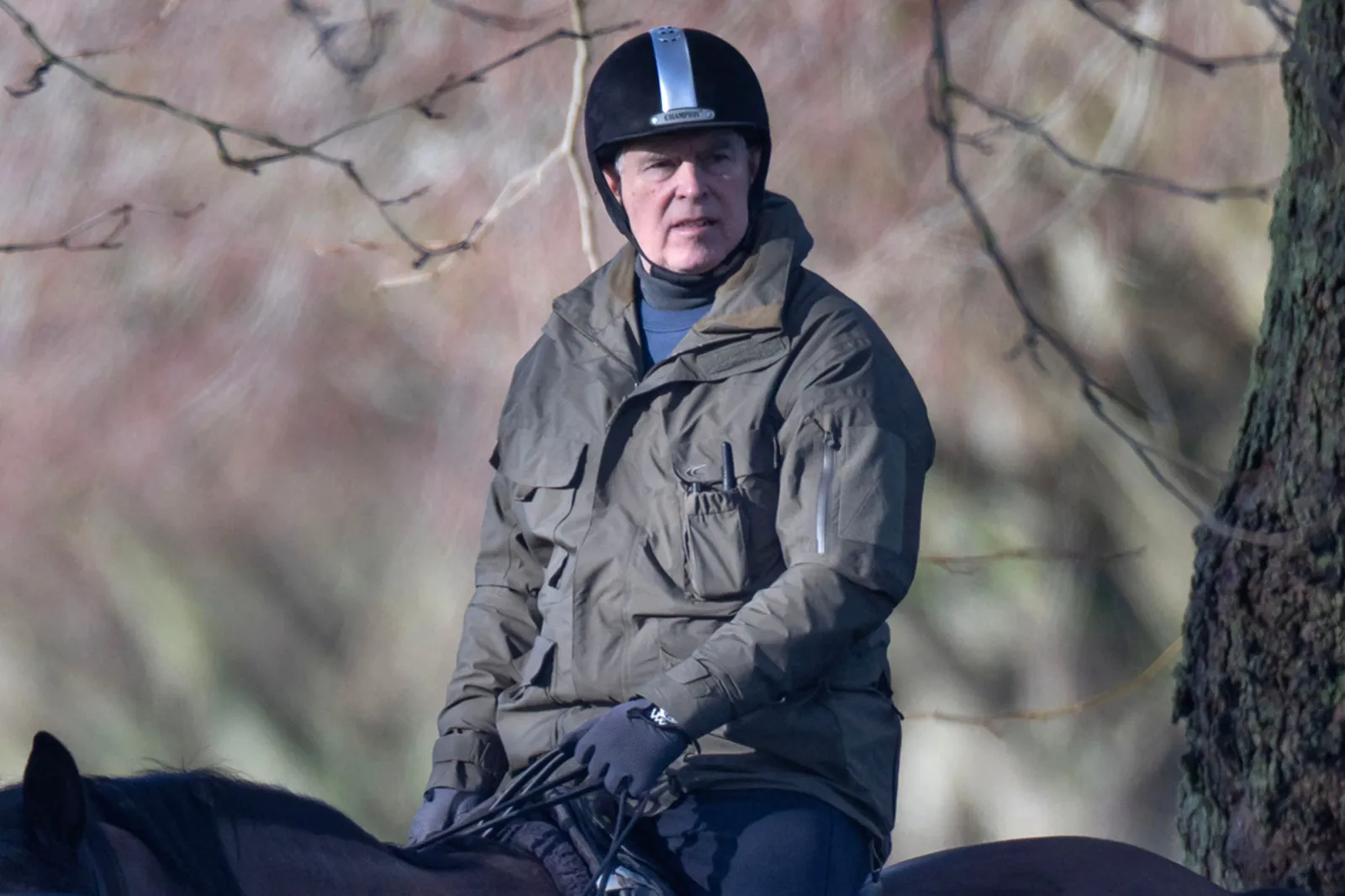

The arrest of Andrew Mountbatten-Windsor marks a turning point for the British monarchy—and for the long shadow cast by disgraced financier Jeffrey Epstein.
For years, Mountbatten-Windsor’s association with Epstein has been a major reputational crisis, fueled by a widely criticized television interview, the loss of military roles and patronages, and a high-profile civil settlement with Epstein accuser Virginia Giuffre. He has remained largely absent from public royal duties ever since.
His arrest on his 66th birthday, on suspicion of misconduct in public office, significantly escalates the situation. What had been framed largely as scandal and personal disgrace has now entered the realm of potential criminal scrutiny.
Police have been reviewing allegations that emerged in the Epstein files, including claims that Mountbatten-Windsor shared sensitive information with Epstein during his time as a U.K. trade envoy. He has consistently denied wrongdoing.
Historically, the royal family has weathered scandals by distancing the institution from the individual at the center of controversy. King Charles III’s “slimmed-down” approach to monarchy was widely seen as a way to draw a firm line around Mountbatten-Windsor’s role. In the wake of the arrest, it is unclear whether that containment strategy will hold.

While members of the extended royal family have faced personal controversies over the decades, police action involving a senior royal—once second-in-line to the throne—is rare. It raises broader questions about privilege, accountability, and whether those close to power are treated like everyone else when allegations become serious.
The relationship between Mountbatten-Windsor and Epstein has been under scrutiny for years. He was photographed walking with Epstein in New York’s Central Park in 2010, two years after Epstein’s conviction for soliciting prostitution from a minor. Mountbatten-Windsor has said he met Epstein through mutual acquaintances and maintained contact despite concerns raised by advisers and diplomats. The connection later became central to Giuffre’s allegations that she was trafficked by Epstein and forced to have sex with him—claims he has repeatedly denied.
End of public royal life
The fallout ended his role as a working royal. He was stripped of military titles and royal patronages in 2022 and no longer uses “His Royal Highness” in any official capacity. Since then, his public appearances have been limited and tightly controlled, mostly restricted to family events.
Two weeks ago, he moved from the Royal Lodge in Windsor to the Sandringham Estate in Norfolk. The relocation was widely viewed as more than a practical change—it underscored his retreat from the privileges and visibility that once came with his former status.

The settlement and the late Queen
As Giuffre’s civil case gained momentum in the United States, the late Queen was widely reported to have supported efforts to resolve the dispute before it went to trial. While the Palace did not publicly describe her role, royal sources suggested she favored a settlement to prevent further damage to the monarchy.
The out-of-court agreement reached in 2022, funded privately, allowed Mountbatten-Windsor to avoid giving evidence under oath and removed the immediate legal threat. However, it did little to repair the reputational harm already done—damage that now deepens as the arrest pushes the scandal into a new and more serious phase.