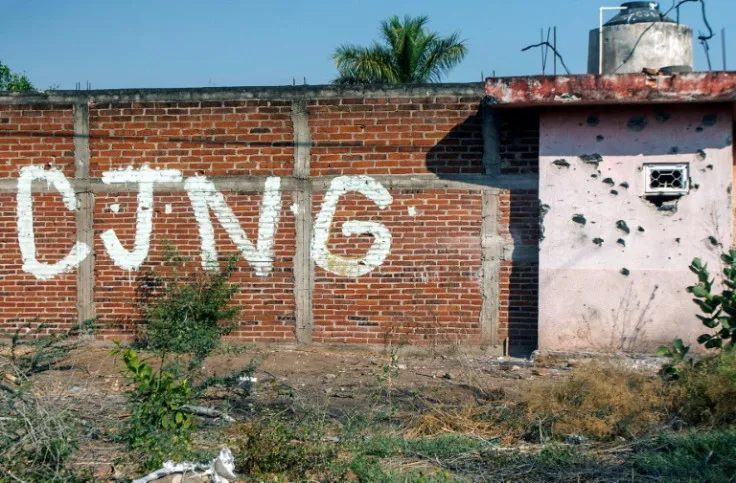

An animal shelter in the Mexican state of Jalisco says it has received threats from the Jalisco New Generation Cartel (CJNG), warning that if the facility doesn’t pay a monthly extortion fee, cartel members will kill all the animals and burn the shelter to the ground.
The shelter, Pergatuzoo, is home to nearly 2,000 animals—including dogs, cats, pigs, donkeys, horses, and others—according to a report by Infobae. The organization revealed on social media that the cartel is demanding 50,000 pesos per month (roughly $2,650 USD) in exchange for “permission” to continue operating. The shelter says it cannot meet those demands and is already struggling with food shortages, leaving them unable to properly care for the animals.
The situation escalated last month when relatives of the shelter’s founders were allegedly stopped and threatened by cartel members. But when the shelter went to the authorities, they say police instead seized donated food and confiscated personal belongings, offering no protection.
The CJNG, which has been designated a terrorist organization by the Trump administration, has increasingly made headlines for its expanding criminal operations and recruitment tactics. A recent investigation by Mexican outlet Milenio revealed that the cartel is using fast food restaurants as discreet meeting points to lure in young recruits—often promising them good-paying jobs.
According to testimonies from families searching for missing loved ones, teens are approached at these restaurants by couples who offer to pay for their travel. That’s often the last time families hear from them. The restaurants themselves are not implicated, but their high foot traffic offers cartels anonymity.
Milenio reported that after being taken, recruits undergo about a month of training, during which they are completely cut off from outside contact. Some cartel members have reportedly messaged families to reassure them that the recruits are being “trained,” claiming that the brutal initiation practices of the past—such as forcing recruits to kill—are no longer used.
Still, the broader picture remains grim. A recent University of Guadalajara study found a sharp rise in disappearances among youth aged 15 to 19, with at least 122 such cases reported in just the first four months of this year. Overall, more than 600 people were reported missing in Jalisco between January and April.
In an even more disturbing trend, reports indicate that cartels are increasingly targeting children as young as six for recruitment—taking advantage of their legal protections and vulnerability.
As Pergatuzoo struggles to stay open under threat of violence, its plight reflects the wider climate of fear and lawlessness gripping parts of Mexico, where criminal organizations operate with growing boldness and impunity.