
Several Democratic-led states are stepping forward with new laws aimed at changing how federal immigration agents—including those from DHS (Department of Homeland Security) and ICE (Immigration and Customs Enforcement)—operate within their borders.
What’s being proposed?
Lawmakers in states like California, New York, and Massachusetts are considering bills that would:
- Ban masked, undercover agents from conducting arrests in public.
- Require agents to clearly show identification, such as badges or name tags, during their operations.
These moves are motivated by public concerns that anonymous agents create fear and can even be impersonated by criminals.
Why it matters:
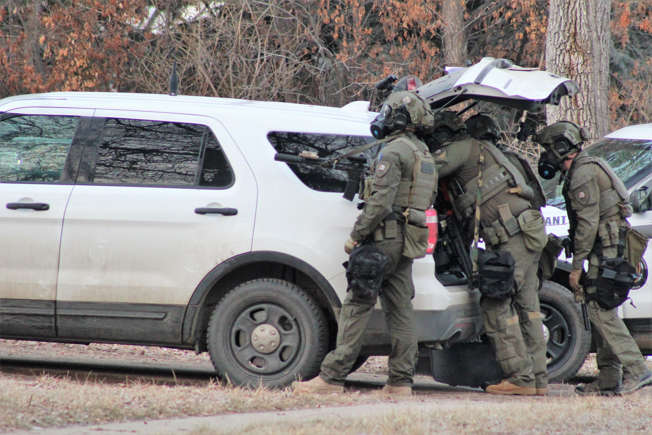
Images of armed, unidentified agents detaining people—sometimes seemingly randomly—have alarmed many communities, especially immigrant groups. Proponents say requiring visible ID is a matter of civil rights and accountability.
Examples of action:
- Federal level: Senators like Richard Blumenthal (CT), Patty Murray (WA), Alex Padilla (CA), and Cory Booker (NJ) have introduced the Visible Identification Standards for Immigration-Based Law Enforcement (VISIBLE Act). It would mandate that DHS and ICE officers wear visible name tags and insignia and not hide their identities.
- House of Representatives: Reps. Dan Goldman and Adriano Espaillat (both from New York) introduced the No Secret Police Act of 2025. This bill similarly seeks to ensure agents cannot conceal their identity during civil immigration enforcement actions.
Expert concerns:
There are legal debates about whether states can impose such requirements on federal agents without overstepping constitutional boundaries. Opponents, including officials from DHS, argue these laws could undermine law enforcement effectiveness and unfairly criticize ICE agents.
These bills represent a push by blue states to assert more control over how immigration enforcement is carried out in their communities. They highlight a delicate balance between protecting civil liberties and respecting federal law enforcement powers.