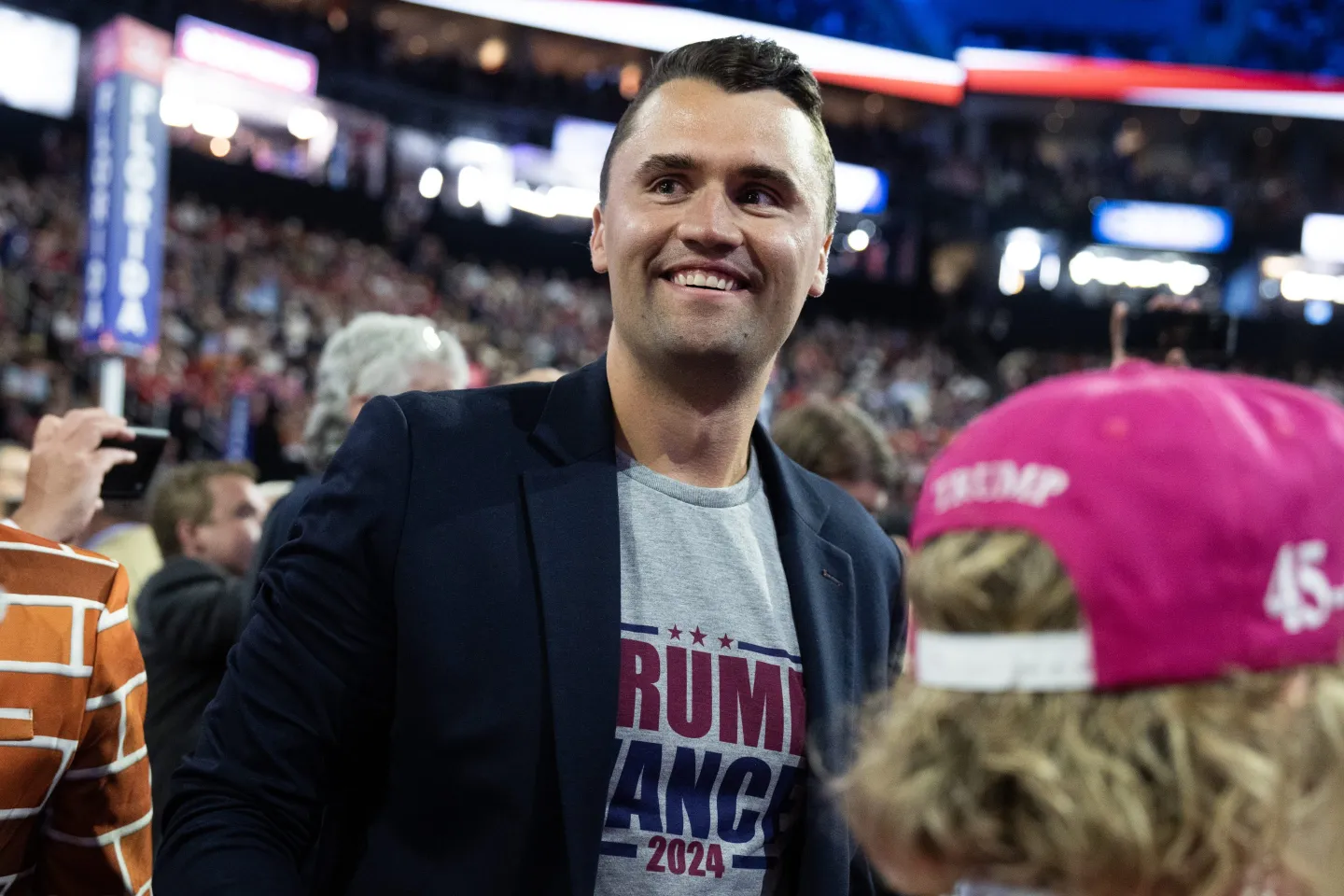

Charlie Kirk was just a teenager when he started a small conservative student group from his parents’ home in suburban Illinois. Ten years later, that group—Turning Point USA—has grown into a major political force. Over the last 13 years, it has generated nearly half a billion dollars, built hundreds of campus chapters, and created a media network that rivals traditional outlets.
On Sept. 10, Kirk, a husband and father of two, was shot and killed at a Turning Point event at Utah Valley University. He was 31 years old. His death has sparked conspiracy theories, calls for gun control, and a nationwide political discussion about his legacy. It also leaves the future of his conservative organization and business ventures uncertain.
By using student engagement and polarization, Kirk built an empire at the center of the American right’s culture wars. He became a multi-millionaire, according to the Associated Press, and one of the youngest political influencers in the country, with access to President Donald Trump. Looking at Kirk’s and Turning Point’s finances shows how he capitalized on two trends: a strong network of right-wing donors and the rise of conservative media.
Turning Point USA made $85 million in revenue in 2024 alone, up more than 142% from five years earlier. Most of this money, 99.2%, came from charitable donations, including at least $350,000 from Kirk himself.
According to spokesperson Andrew Kolvet, the group received donations from around 350,000 grassroots, “small dollar” donors. “The goal was to get over 500,000 this year. And, given all that’s happened, we’ve eclipsed that goal, and that’s exciting,” he said.
Large and hard to trace
It is not clear exactly how Turning Point spends its money or who benefits the most. Like many political groups, it’s a 501(c)3 non-profit, which doesn’t have to publicly report detailed expenses. Many of its vendors are limited liability companies in states that don’t require public ownership disclosure.
Turning Point also has several interconnected nonprofit groups, political action committees, and a for-profit merchandise company. One branch, the Turning Point Endowment, had $64.3 million in 2024, growing from $7.2 million in 2020. According to Turning Point, these funds are part of a “50-100 year plan” to keep influencing young Americans for generations.
Kolvet told Fortune that the endowment ensures the organization can operate for years to come. “Charlie always had a vision that Turning Point would grow into an institution that would outlive his tenure as CEO, and the endowment was always part of the vision,” he said.
$10,000 and a dream
Kirk often said his political awakening started with Barack Obama’s presidency. On his podcast last year, he explained, “In my local high school, progressive, left-wing Marxist ideas were widespread, and I looked around and I was unimpressed by the conservative organizations that were out there.”
Kirk first got involved in politics in 2010 by volunteering for Illinois Senator Mark Kirk (no relation) while still in high school.
His life changed after meeting William “Bill” Montgomery, a retired Tea Party activist and marketing entrepreneur. Montgomery encouraged Kirk to drop out of college, and within a month, they launched Turning Point. Montgomery provided access to investors and Republican contacts. The first donation came from Foster Friess, whom Kirk met at the 2012 Republican National Convention.
“I was 18 at the time and Turning Point USA had zero donors, no real presence, and I was just a kid from Chicago with a dream & energy to try and change the world,” Kirk later wrote. Friess sent $10,000, which Kirk turned into millions.
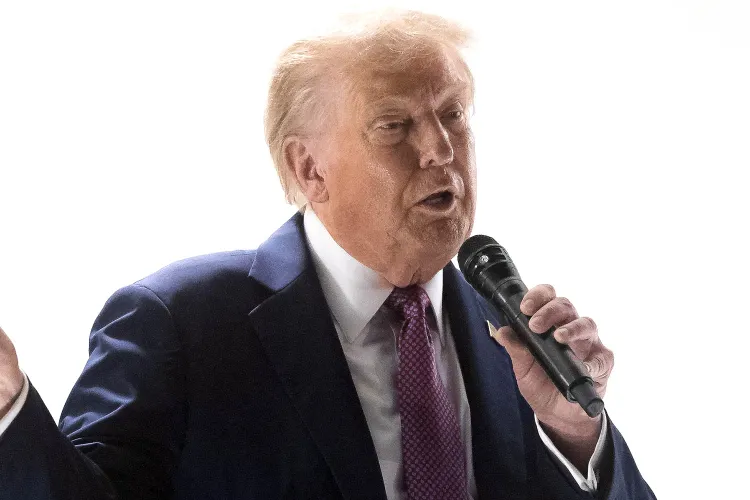
Credit : Francis Chung/Politico/Bloomberg via Getty
A growing donor base
The early years were tough, and Kirk almost shut down the organization several times due to money problems. But with support from wealthy right-wing donors, Turning Point gained momentum on campuses nationwide. From 2013, it received backing from entrepreneur Gary Rabine, and in 2014, a $100,000 donation from the Bruce Rauner Family Foundation. Kirk also received funds from the Ed Uihlein Family Foundation and Home Depot co-founder Bernard Marcus’ organization.
By 2015, Turning Point’s annual revenue rose from $52,000 in 2012 to $2 million. The group had a presence on 1,000 campuses and more than 40 full-time staff. The donor base continued to grow, including figures in the oil and gas industry and business executives on Turning Point’s advisory council.
Scaling up a young audience
Kirk’s early messaging focused on free-market economics and limited government. He used outdoor and interactive events instead of traditional lectures, encouraging debates among students.
The 2016 Trump election led to a shift in strategy. Though Kirk said he wasn’t a big Trump fan at first, he adopted Trump’s populist messaging, which attracted many young supporters. This approach made Turning Point more popular and Kirk personally wealthy. By 2020, he had a book contract and earned revenue from social media platforms.
Kirk’s signature “Prove Me Wrong” campus events, launched in 2018, invited students to debate him publicly, creating viral social media content that boosted both his and Turning Point’s reach. Speaking fees could be $10,000 per event.
From 2016 to 2019, Turning Point’s revenue grew 563%, reaching $28.5 million. Chapters increased from 450 to about 1,500, and membership grew from 25,000 to 200,000.
A surge in growth
During the COVID-19 pandemic, Kirk launched the “Charlie Kirk Show” podcast, reaching 5 million monthly listeners and 750,000 daily downloads by 2025. This became a major source of income alongside his salary and investments.
The conservative podcast and media industry grew rapidly during this time. Ad revenue increased from $1.5 billion in 2021 to $4 billion in 2024. Right-leaning shows attracted five times as many followers as left-leaning shows.
Kirk’s provocative statements, including controversial opinions on race and gender, drew millions of views, helping Turning Point’s growth. By 2024, Turning Point had $85 million in revenue, 3,350 chapters (850 college, 2,500 high school), and 700,000 members.
After death: popularity and uncertainty
After Kirk’s death, his books and podcasts surged in popularity. His Instagram gained 3.5 million followers, Turning Point’s account gained over 1 million, and there were similar spikes on TikTok and YouTube. The organization received over 32,000 inquiries within 48 hours to start new campus chapters.
His widow, Erika, promised to continue his work. In a live-streamed address on Sept. 12, she said, “my husband’s voice will remain,” and confirmed his campus tours and podcast will continue.
Kolvet told Fortune that plans for the podcast are still being made. “It will probably be an amalgamation of guests, friends, and tributes to Charlie,” he said.
Kirk had said he wanted Turning Point to become “an institution in this country as renowned and influential as the New York Times, Harvard, and major tech companies.” Whether it will continue to grow without him remains uncertain. Kolvet said it is “too early” to discuss a detailed succession plan.
But he added, “Erika Kirk is the beating heart, the spiritual center of the Turning Point family moving forward.”