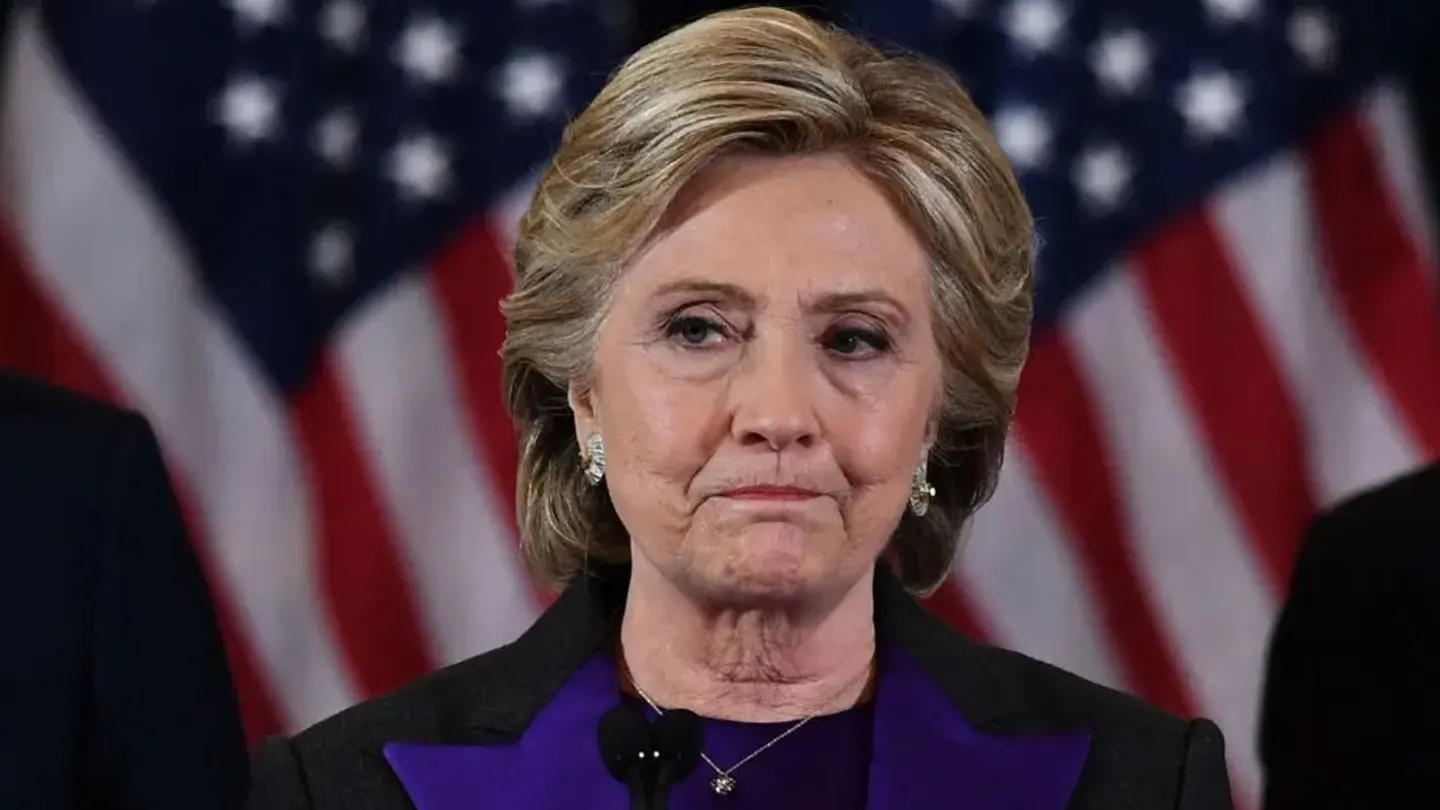

Speaking at the Munich Security Conference in Germany, Hillary Clinton defended the immigration enforcement records of previous Democratic administrations while sharply criticizing what she described as nationalist rhetoric influencing today’s debate.
“More people were deported under my husband and Barack Obama without killing American citizens,” Clinton said, citing enforcement data from the 1990s and 2010s. She argued that strong immigration controls and the preservation of civil order are not inconsistent with Democratic leadership.
During Bill Clinton’s presidency, federal authorities conducted hundreds of thousands of removals as immigration enforcement laws were broadened in the mid-1990s. Under Barack Obama, deportations totaled roughly 3.1 million across two terms — the highest figure recorded at the time — leading some immigration advocates to label him the “deporter in chief.”
Clinton emphasized that enforcement measures can be implemented without abandoning democratic principles. She contrasted those records with what she characterized as an ideological push toward exclusionary policies associated with the MAGA movement.
“The ideological impulse to protect the status quo or return to making America great again in some nostalgic past — one that largely served white men and capitalist enterprise — was not exactly open and welcoming,” she said.
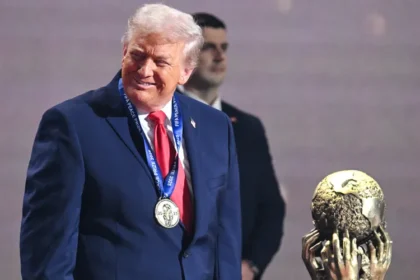
Her comments come as immigration once again dominates U.S. political discourse. President Donald Trump has pursued expanded deportations and tighter border policies, while also revisiting earlier proposals on trade and territorial interests, including renewed attention to Greenland’s strategic significance.
Clinton framed the immigration debate within a broader contest over democratic identity, describing the rise of “populist nationalist” movements as a response to globalization and demographic shifts. While acknowledging the importance of vigorous public debate, she cautioned against policies she believes threaten inclusivity and equal protection under the law.
The discussion highlights continuing tensions across Western democracies over balancing border enforcement with pluralism, particularly as migration pressures and electoral politics increasingly converge.