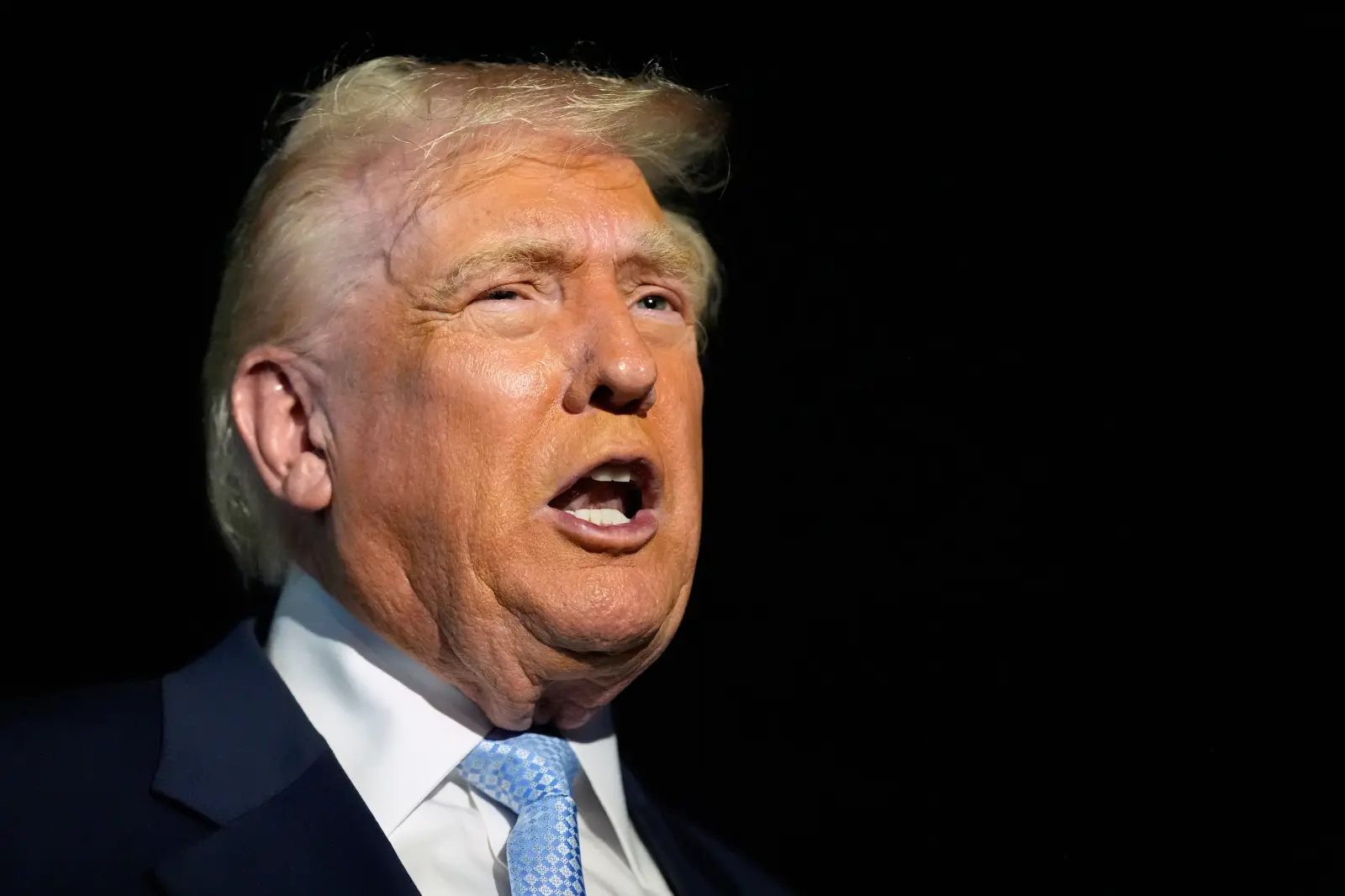

President Donald Trump on Friday signed an executive order ending tariffs on a broad range of imported goods — including beef, coffee and several tropical fruits such as bananas — in a bid to ease public frustration over elevated grocery costs.
Why It Matters
The decision follows off-year elections earlier this month, where voters named the economy as their top concern. Those worries helped drive notable Democratic wins in states like Virginia and New Jersey, increasing pressure on the White House to show action on prices.
What To Know
Trump signed the order after announcing that the United States had reached framework agreements with Ecuador, Guatemala, El Salvador and Argentina to cut import duties on agricultural products from those countries. Earlier in the week, he had already hinted that coffee tariffs would be reduced to encourage more imports, noting that the U.S. is heavily dependent on foreign coffee producers.
According to a White House fact sheet, the new deals allow the administration to remove “reciprocal tariffs” on goods that either are not grown in the United States or cannot be produced in sufficient quantities to meet domestic demand. That list includes coffee and bananas from Ecuador and beef from Argentina — changes officials say are aimed at relieving pressure on households facing stubbornly high food prices.
The order takes effect immediately for qualifying imports. Beef, in particular, has become a flashpoint as prices hit record levels this year. Trade experts have pointed to Trump’s earlier tariffs on Brazil, one of the world’s top beef exporters, as a factor that helped push global prices higher.
While Trump and his team have long insisted that tariffs do not automatically translate into higher costs for shoppers, the move to roll some of them back highlights how rising prices — and the politics around them — are reshaping the administration’s trade agenda heading into 2026.
What People Are Saying
The White House fact sheet said the new arrangements “further open those markets for U.S. exports by eliminating tariffs and non-tariff barriers, and strengthen our economic security relationships with these important neighbors.”
Republican Senator Rand Paul of Kentucky reacted on X, writing, “This means that tariffs were taxes all along.”
What Happens Next
Officials say the change marks a broader pivot away from earlier tariff-heavy policies that were designed to pressure trading partners, and toward a strategy centered on bringing down costs for American families. Further adjustments to tariffs could follow as the administration weighs economic data and political pressures in the run-up to 2026.