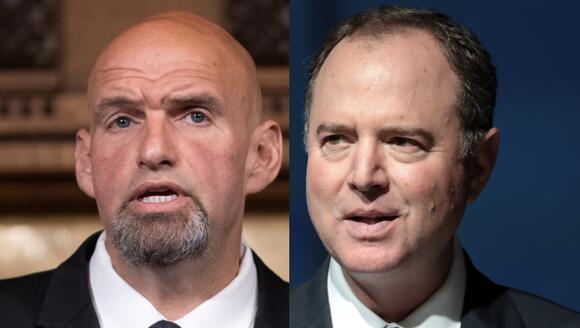

In the aftermath of two deadly shootings in Minneapolis involving federal immigration enforcement personnel, Democratic senators are splitting sharply over how Congress should handle funding for the U.S. Department of Homeland Security and its immigration enforcement arms.
John Fetterman drew a bright line against any strategy that would trigger a government shutdown, even as Democrats debate whether to restrict funding tied to immigration enforcement. “I will never vote to shut our government down, especially our Defense Department,” Fetterman said, pointing to the $178 billion allocated to DHS in the One Big Beautiful Bill Act — a package he did not support. He also rejected calls to defund or abolish U.S. Immigration and Customs Enforcement, while arguing the agency’s tactics in Minneapolis demand scrutiny and change.
Fetterman said he wants a more direct, stand-alone debate over DHS funding. “I want a conversation on the DHS appropriations bill and support stripping it from the minibus,” he added, while acknowledging how difficult that would be to accomplish in Congress. Still, he warned that refusing to negotiate could set the country up for another shutdown.
His message, in effect, is reform without collapse: keep the government open, keep immigration enforcement funded, but push for operational changes and accountability after Minneapolis.
Adam Schiff, however, is staking out a far tougher position. Speaking on NBC’s Meet the Press, Schiff said he would oppose any new funding for ICE and the Border Patrol in response to the fatal shooting of Alex Pretti. He criticized federal officials who defended the agents’ actions and argued that state and local governments should be able to set their own law enforcement priorities. “If they made the decision we will prioritize going after violent criminals, it is not up to the federal government to say no, you won’t,” Schiff said.
Schiff also questioned whether DHS can credibly investigate itself after public statements made about the victims. “No one can have confidence that DHS will do that properly when the head of that agency has called these victims domestic terrorists without knowing anything,” he said, calling for local law enforcement involvement and an independent, objective review.
Then Schiff raised the pressure point: he said he would vote against DHS funding if it includes money for immigration enforcement agencies — even if that stance helps produce a partial shutdown. “Well, I’m not giving ICE or Border Patrol another dime given how these agencies are operating,” he said, adding that lawmakers who approve more funding would carry responsibility for any future violence in American cities.
The split underscores a growing fault line among Democrats as DHS funding negotiations tighten: whether to pursue reform while keeping the government running, as Fetterman argues, or to use funding as leverage for sweeping change, even at the risk of a shutdown, as Schiff is signaling.