
In a significant departure from Florida’s hardline immigration stance, a council of the state’s top law enforcement officials is calling on the Trump administration to halt the deportation of undocumented immigrants who have no criminal record.
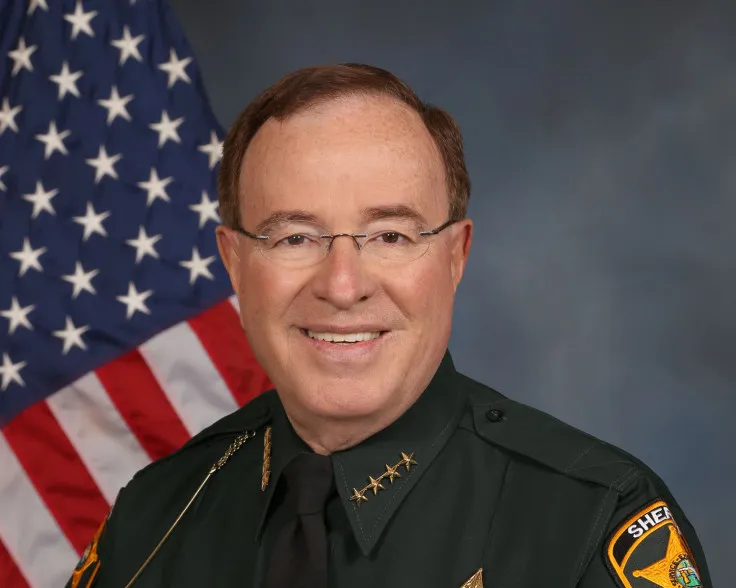
Grady Judd, the veteran Polk County Sheriff and chair of Florida’s State Immigration Enforcement Council, argued Monday that federal policy must distinguish between violent offenders and those contributing to the local economy. Speaking at a council meeting, Judd emphasized that while those entering the country illegally broke the law, many have since become integrated members of their communities.
“We are on the ground floor with this day in and day out—looking in the eyes of these folks,” Judd said. “Some came here inappropriately only to do better for themselves and their family. They are working hard, they have kids in college, and they are going to church on Sunday.”
Proposed Pathway Over Deportation
The council—comprised of four sheriffs and four police chiefs appointed by Florida’s Republican leadership—voiced collective support for a pragmatic alternative to mass removal. Rather than immediate deportation, Judd proposed a “civil penalty” model for non-criminal migrants, which would include:
- A five-year probationary period.
- Mandatory English proficiency.
- Financial restitution via fines for illegal entry.
- Strict requirements for employment and tax contributions.
This recommendation marks a notable pivot for Florida law enforcement, which has largely aligned with Governor Ron DeSantis’s aggressive “law and order” immigration agenda, including the use of state resources to assist federal authorities in removals.
Legislative Deadlock Over Funding
The sheriffs’ plea comes as the Florida Legislature remains gridlocked over the state’s immigration budget. Lawmakers failed to reach an agreement before the regular session ended on whether to continue allowing Governor DeSantis to tap into the Emergency Preparedness and Response Fund for immigration operations.
Originally designed for hurricane relief, the fund has recently been diverted to finance detention facilities and transport operations. The budget dispute is expected to be a primary focus of a special legislative session scheduled for April.
The council’s stance highlights a growing tension between local law enforcement’s need for community trust and the federal government’s mandate for mass deportations. By advocating for a “contribution-based” merit system, these Florida officials are signaling that a “one-size-fits-all” deportation strategy may be counterproductive to public safety and the state’s economic stability.