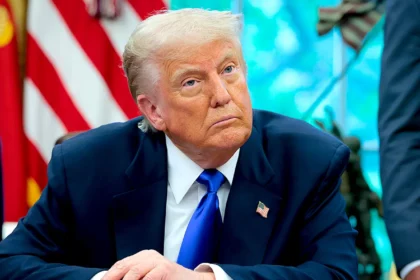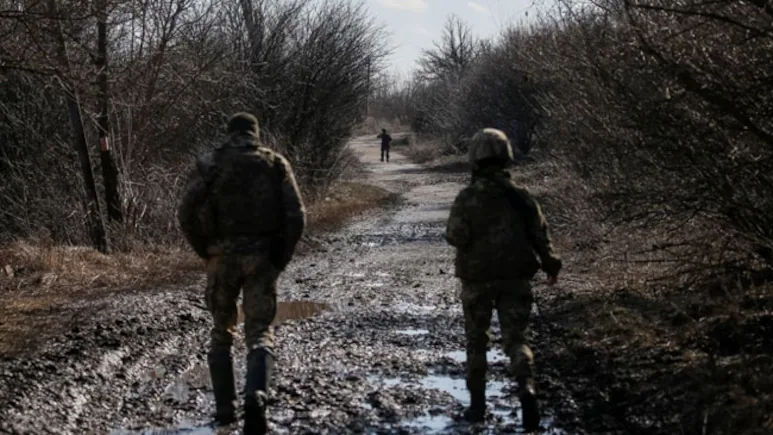

When Donald Trump returned to the White House earlier this year, Ukrainian serviceman Vyacheslav believed the U.S. president might help end Russia’s three-year war in Ukraine — and do so on Kyiv’s terms.
Seven months later, that optimism has faded. Just days before Trump’s scheduled meeting with Russian President Vladimir Putin in Alaska — a summit notably excluding Ukrainian President Volodymyr Zelensky — many on the front lines fear the talks could lead to concessions, especially over land.
“There’s no hope now, only a sense of anticipation,” said Vyacheslav, 36, who gave only his first name in keeping with military protocol.
For Dmytro, a 22-year-old soldier, ceding territory is unacceptable. “Trading land won’t change anything,” he said. “It will only give Russia time to regroup and avoid the mistakes it made in early 2022.”
Russian forces seized large areas in the first months of the invasion but later lost much of that ground to fierce Ukrainian resistance. “We may never recover everything, but we’ll fight for every piece of our land, for our future,” Dmytro said.
‘Don’t Believe Them’
Ukraine and Russia have held multiple rounds of direct talks in Turkey this year, all without tangible progress. Russian troops continue to advance, while Kyiv refuses to surrender territory, insisting that Moscow be pressured through sanctions and force to end the war.
“We see no signs the Russian army is preparing to stop the war,” Zelensky posted on social media Tuesday. “On the contrary, they’re making moves that suggest new offensives.”
In Kyiv, TV producer Oleksiy Vadovychenko said he expects nothing from the Alaska meeting. “We’ve had more than enough talks — none have produced real results,” he said.
Natalia, a 65-year-old pensioner from Pokrovsk, a city in eastern Ukraine that Russian forces are trying to encircle, was even blunter: “I don’t believe either of them — not the Russian fascist, not Trump. That’s it.”
Valentyn, another Kyiv resident, voiced a widespread fear: even if Trump negotiates a ceasefire, Putin will use the lull to rebuild his army and strike again. “Any peace will be temporary,” he said. “In a year or two, maybe three, the attacks will resume.”