
Gallup is no longer tracking presidential approval ratings after nearly 90 years of publishing the data.
The company stopped releasing approval and favorability ratings of political figures earlier this year, saying the move “reflects an evolution in how Gallup focuses its public research and thought leadership.”
“This change is part of a broader, ongoing effort to align all of Gallup’s public work with its mission,” a spokesperson said. “We look forward to continuing to offer independent research that adheres to the highest standards of social science.”
Gallup traces its roots to 1935, when Dr. George Gallup founded the American Institute of Public Opinion, which later took his name. The organization emphasized objectivity early on, refusing to conduct polling sponsored by “special-interest groups such as the Republican and Democratic parties.”
:max_bytes(150000):strip_icc():focal(749x0:751x2):format(webp)/george-gallup-021126-ea0fb7e8cdd546c89f5913cb195ade95.jpg)
A major milestone came in 1936, when Gallup’s polling correctly predicted Franklin D. Roosevelt would defeat Alfred Landon in the presidential election—contradicting the era’s most prominent pollster, The Literary Digest.
In 1938, Gallup introduced its presidential approval rating, which became a widely used benchmark for gauging public opinion about a president’s performance.
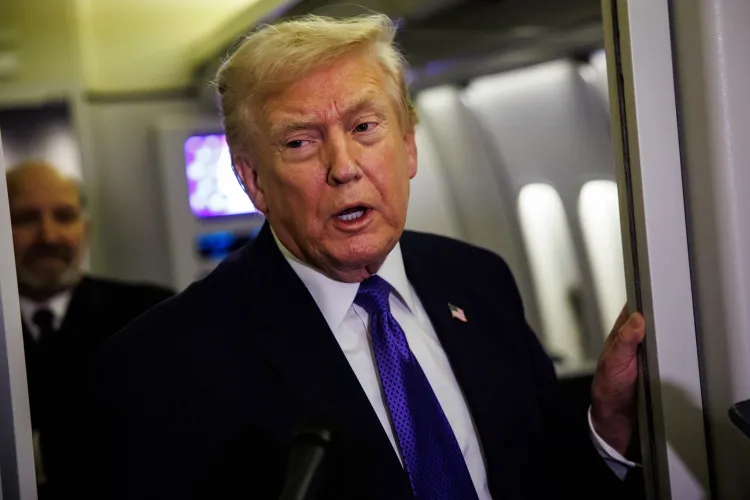
The shift away from publishing approval and favorability ratings comes after months of criticism and threats from President Donald Trump toward pollsters who released unfavorable results. In January, Trump said he would expand an existing defamation lawsuit against The New York Times after the paper published a poll showing his approval at 40%.
Gallup tracked Trump’s approval rating throughout 2025, reporting a decline from 47% at the time of his inauguration to 36% in its final update in December.
Looking ahead, Gallup says it will continue its work through ongoing research efforts, including the Gallup Poll Social Series, the Gallup Quarterly Business Review, the World Poll, and its broader portfolio of U.S. and global research.